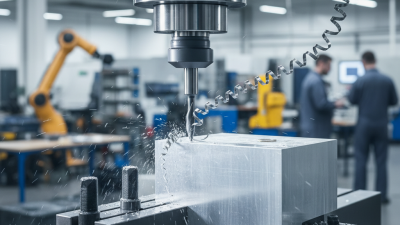
Top China Cutting Tool Manufacturers for Global Buyers?
In the competitive landscape of manufacturing, cutting tools are crucial for various industries. For global buyers, identifying reliable suppliers can be challenging. However, China is home to numerous cutting tool manufacturers that offer high-quality products.
These manufacturers pride themselves on their expertise and innovative approaches. They continuously invest in technology to enhance their offerings. Some renowned brands have established a strong presence in the international market. Yet, not all manufacturers meet the same standards. Buyers must be vigilant in assessing quality and reliability.
While many manufacturers provide impressive catalogs, the reality can vary. It's vital to research and verify claims. This specificity can prevent costly mistakes. As the market evolves, understanding the strengths and weaknesses of different manufacturers is essential. Cutting tools represent a significant investment; choosing the right supplier deserves careful consideration.
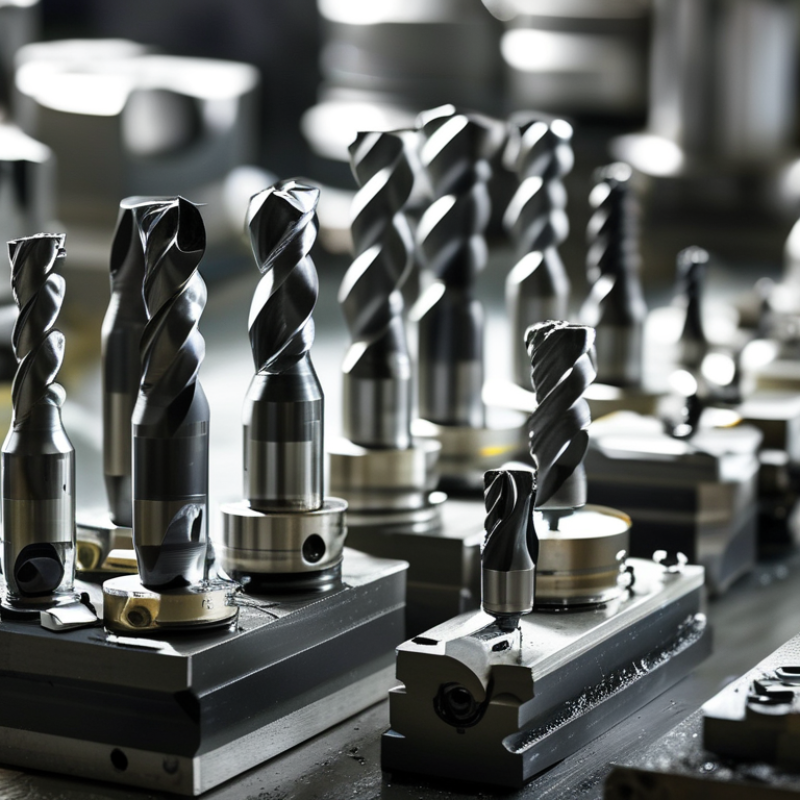
Overview of the Cutting Tool Industry in China
The cutting tool industry in China has seen significant growth in recent years. According to a report by Research and Markets, the Chinese cutting tool market was valued at approximately USD 9 billion in 2022. This reflects a 4.5% annual growth rate. Such data emphasizes the rising demand for precision tools across various sectors.
Manufacturers in China have been bolstering their capabilities. Many are investing in advanced technologies like carbide coating and multi-function tools. This is essential to maintain competitive pricing and quality. However, the market faces challenges, such as fluctuating raw material costs. These factors put pressure on profitability and innovation.
Despite these issues, China's cutting tool exports have increased, driven by global demand. The country supplied over 30% of the world’s cutting tools last year. This high percentage indicates China's pivotal role in the global market. Nevertheless, quality consistency remains a concern. Many manufacturers still need to meet international standards, leading to customer hesitance.
Top China Cutting Tool Manufacturers for Global Buyers
| Category |
Type of Tools |
Annual Production Capacity (Units) |
Export Markets |
Technology Employed |
| Indexable Inserts |
Carbide inserts |
1,500,000 |
North America, Europe, Asia |
CNC Technology |
| Turning Tools |
Drills, Boring Bars |
1,200,000 |
Global |
High-speed Machining |
| Milling Tools |
Face Mills, End Mills |
900,000 |
Europe, Asia, Americas |
Advanced Coatings |
| Grinding Tools |
Grinding Wheels, Abrasives |
350,000 |
Asia, Oceania |
Diamond Technology |
| Specialty Tools |
Custom Tools |
150,000 |
Worldwide |
Integrated Manufacturing |
Key Players in China's Cutting Tool Manufacturing Sector
China's cutting tool manufacturing sector is a crucial player in the global market. This industry has seen significant growth in recent years. Chinese manufacturers focus on innovation and technology. Their cutting tools are known for durability and precision. These qualities meet the increasing demands of various sectors like automotive and aerospace.
Leading companies often emphasize research and development. They invest heavily in advanced production techniques. However, not all manufacturers maintain the same standards. Some prioritize cost over quality, leading to inconsistent performance. Buyers must look closely at certifications and reviews to ensure reliability. The landscape is evolving, with new entrants introducing unique solutions. This competition may push existing players to improve their offerings.
Sustainability is becoming a priority. More manufacturers are adopting eco-friendly practices. While progress is being made, challenges remain. Some companies lag in environmental responsibility. This discrepancy can impact their reputation and market share. Buyers should consider not only quality but also the ethical practices of manufacturers.
Innovative Technologies Employed by Chinese Cutting Tool Manufacturers
Chinese cutting tool manufacturers are at the forefront of innovative technologies. Their focus on precision and efficiency leads to advancements in the industry. One key technology is the use of advanced coatings. These coatings enhance tool life and performance. This is vital for global buyers looking for durability and effectiveness.
Many manufacturers invest heavily in research and development. This investment targets the latest machining techniques. Innovations, like the integration of AI in production, streamline processes. This helps reduce waste and improve quality. However, challenges remain. Not all innovations translate smoothly into widespread production. There is often a gap between technology and practical application.
Tips: When evaluating cutting tool suppliers, assess their commitment to innovation. Look for companies that continuously update their technology. Reliability in supply chains and production processes is also crucial. Quality should never be sacrificed for cost.
Export Trends and Market Reach of Chinese Cutting Tools
China's cutting tool industry has shown remarkable growth in recent years. The demand for efficient and precision tools has surged globally. Chinese manufacturers are responding to this need with innovations and improved production processes. This has enhanced their market reach, particularly in regions like North America and Europe. Many buyers are increasingly interested in the quality and technology behind these tools.
Export trends indicate a shift towards sustainable practices. Advanced tools designed for lower environmental impact are gaining attention. However, challenges remain. Not all manufacturers maintain consistent quality, leading to varying customer experiences. Buyers must do thorough research to find reliable suppliers. They need to consider both performance and longevity in their purchasing decisions. Clear communication regarding specifications is also vital. As the market evolves, consumers must adapt and refine their choices continuously.
Future Prospects for China's Cutting Tool Manufacturers in Global Market
China's cutting tool manufacturers are facing a pivotal moment. As global demand for high-precision tools increases, the competition intensifies. According to a recent report by MarketsandMarkets, the global cutting tool market is projected to grow from USD 20.12 billion in 2022 to USD 24.45 billion by 2027. This growth highlights the potential for Chinese manufacturers to capture significant market share.
The landscape is not without its challenges. Quality consistency remains a concern for international buyers. Industry surveys indicate that while some manufacturers excel, others struggle with quality control. This inconsistency can deter potential partnerships and limit market expansion. Additionally, advancements in technology are crucial. Companies in China must innovate to meet evolving customer needs and stay competitive, especially against established Western brands.
Despite these hurdles, the future seems promising. China’s investment in research and development is increasing. By 2025, the Chinese government plans to boost domestic innovation in manufacturing. This initiative could enhance the quality and performance of cutting tools. However, manufacturers must address existing quality issues. Bridging the gap between innovation and reliability is essential for gaining trust in the global market.
 +86 13630122007

 CONTACT YIYAN
 CONTACT YIYAN