Top 10 Cutting Tools for Efficient Manufacturing Solutions?
In the competitive world of manufacturing, choosing the right Cutting Tool can significantly impact efficiency and productivity. The selection of cutting tools affects product quality and overall workflow. Advanced materials and techniques are constantly evolving, making it essential for manufacturers to stay updated.
Effective Cutting Tools not only enhance precision but also reduce production time. They come in various types, including end mills, drills, and saws, each suited for specific applications. Finding the right tool often requires a deep understanding of both the material being cut and the desired outcome.
However, not all tools perform equally. Some may wear out quickly, leading to increased costs and downtime. Reflecting on past experiences reveals that investing time in tool selection can yield substantial long-term benefits. Keeping this in mind, it is crucial for manufacturers to be aware of the latest innovations in Cutting Tools for optimal performance.
Understanding the Importance of Cutting Tools in Manufacturing
Cutting tools are crucial in manufacturing. They shape and refine materials into precise components. Effective cutting tools enhance productivity and ensure quality. They help reduce waste and lower production costs. Manufacturers must choose the right tools for specific tasks.
Tips: Regularly inspect cutting tools for wear and tear. Dull tools can slow down production and result in poor finishes. Proper maintenance is key to tool longevity.
Understanding materials is also essential. Different materials may require specific cutting techniques. Using the wrong tool can lead to inefficiency. Always assess the material type before selecting a tool. Trial and error can sometimes lead to valuable insights.
Investing in quality cutting tools pays off. However, it’s important not to overlook the basics of operation. Engage workers in the process. Their hands-on experience can uncover useful tips for improvement. Collaboration can spark innovative solutions to common problems.
Overview of Different Types of Cutting Tools Used in Industries
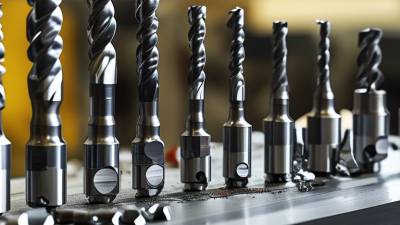
Cutting tools play a crucial role in manufacturing. They enable precise shaping and finishing of materials, which is vital for product quality. Various types of cutting tools are used across industries, depending on the specific needs of a manufacturing process. Common types include drills, end mills, and lathes. Each tool serves a unique function, from creating holes to shaping complex geometries.
Understanding the right tool for each application can greatly enhance efficiency. For example, carbide-tipped tools are known for their hardness and durability. However, they can be costly and may not be suitable for all materials. Similarly, high-speed steel tools provide versatility but wear out faster than other options. Manufacturers must assess their material types and production volume to choose wisely.
Innovations in cutting tool technology continue to emerge. Tools now incorporate coatings that improve performance and longevity. Yet, there remains a learning curve in adapting to new technologies. Workers must stay trained to maximize tool potential. Some may struggle to keep up with rapid changes. Mistakes can happen, leading to waste and inefficiencies. The continuous evolution of cutting tools demands that both manufacturers and operators reflect on their practices.
Key Features to Consider When Selecting Cutting Tools
When selecting cutting tools, several key features need careful consideration. Material composition is crucial. Tools made from high-speed steel (HSS) or carbide offer distinct advantages. HSS tools are cost-effective for softer materials. Carbide tools excel in durability, especially for hard materials. According to a recent industry report, carbide tools can maintain their edge up to ten times longer than HSS tools. This efficiency can significantly lower manufacturing costs over time.
Another vital aspect is the tool geometry. Different shapes and angles provide various cutting capabilities. For instance, a positive rake angle can improve chip formation and reduce cutting forces. This is vital in high-speed machining. In fact, studies indicate that optimizing tool geometry can enhance productivity by up to 30%. The correct geometry also minimizes tool wear, improving tool life.
Tips: Ensure regular maintenance of cutting tools. This can prevent unexpected breakdowns. Also, consider the type of machines used in your production. Compatibility can affect performance and efficiency. Lastly, engage with suppliers for recommendations based on real-world data. Understanding your specific needs will guide you to the most suitable cutting tools for your manufacturing processes.
Top 10 Cutting Tools for Efficient Manufacturing Solutions
| Cutting Tool |
Material |
Applications |
Key Features |
| High-Speed Steel (HSS) End Mill |
HSS |
Milling, Drilling |
Durable, versatile for different materials |
| Carbide Inserts |
Carbide |
Turning, Boring |
High wear resistance, good for high-speed machining |
| CNC Router Bit |
Carbide, Steel |
Woodworking, Plastic Cutting |
Precision cutting, available in various profiles |
| Diamond Blades |
Diamond |
Concrete, Masonry Cutting |
Exceptional durability, high cutting efficiency |
| End Mill Cutter |
Carbide |
Milling, Engraving |
Multi-directional cutting, ideal for complex parts |
| Chamfer Tool |
Carbide |
Edge Finishing |
Creates angled edges for smooth finishing |
| Taps |
HSS, Carbide |
Threads Creation |
Precision threading, various pitches available |
| Slitting Saw |
Carbide |
Slotting, Material Separation |
Thin, precise cuts, suitable for tight tolerances |
| Reamers |
HSS, Carbide |
Hole Sizing |
Enhances precision hole size, smooth finish |
Top 10 Cutting Tools and Their Specific Applications
Choosing the right cutting tools for manufacturing is critical for efficiency. Different tools serve specific roles, impacting the overall productivity. For instance, high-speed steel (HSS) tools are versatile. They work well on various materials, making them a staple in many workshops.
Carbide tools offer durability and heat resistance. They excel in machining tough materials like stainless steel. Some operators might overlook the importance of tool geometry. A well-designed cutting edge can significantly reduce friction and wear. This is crucial when working with complex shapes.
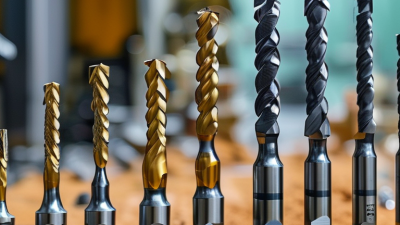
Coated tools provide additional benefits. A thin layer of coating can extend tool life and improve performance. However, it’s important to select coatings suitable for specific applications. Some coatings may not be effective for certain materials. Experimentation can be valuable, but it requires time and resources. Manufacturing success often hinges on these subtle details.
Future Trends in Cutting Tool Technology for Efficient Manufacturing
The cutting tool technology is rapidly evolving, shaping the future of efficient manufacturing. Industry experts predict that the global cutting tools market will reach approximately $30 billion by 2026, reflecting a compound annual growth rate (CAGR) of around 5%. This robust growth highlights the increasing demand for precision and efficiency in manufacturing.
One of the emerging trends is the use of advanced materials. Tools made from cemented carbides or high-speed steel are now being enhanced with coatings that improve durability and reduce friction. A study indicated that these innovations can increase tool life by up to 50%. However, not all manufacturers have adopted these technologies, often due to costs and the need for specialized training.
Automation is another trend driving change. Smart cutting tools equipped with sensors can provide real-time data on wear and performance. This data allows for optimized maintenance schedules and reduced downtime. Nevertheless, challenges remain in integrating these technologies with existing systems, as many manufacturers still rely on traditional practices. Balancing innovation with operational realities is crucial for maximizing efficiency.
 +86 13630122007

 CONTACT YIYAN
 CONTACT YIYAN