Leave Your Message

Why Cutting Tools Are Essential for Precision Engineering and Manufacturing?

Cutting tools play a vital role in precision engineering and manufacturing. According to Dr. Emily Roberts, a leading expert in the cutting tool industry, "The right cutting tool can significantly enhance productivity and accuracy." This statement emphasizes the essential nature of these tools in advanced manufacturing processes.

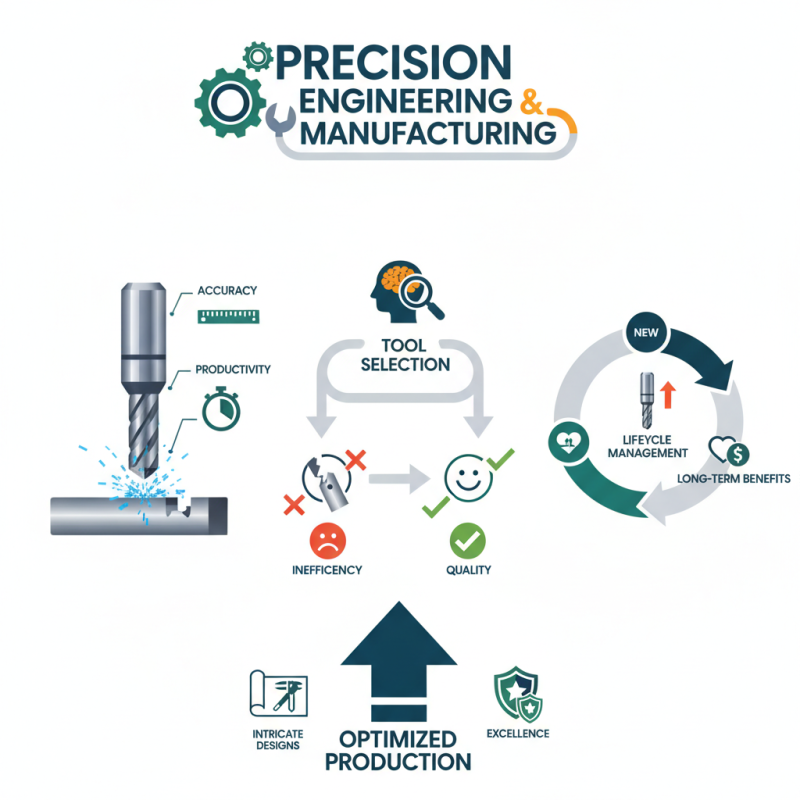
Cutting tools are not just tools; they are the backbone of precision in manufacturing. These tools enable manufacturers to achieve intricate designs and exact specifications. However, choosing the right cutting tool is often overlooked, leading to inefficiencies. It is critical to understand how different cutting tools can impact the quality of the final product.

Moreover, the industry faces challenges regarding tool wear and lifecycle management. An uninformed choice can cause setbacks. Therefore, deeper insights into cutting tools and their applications are necessary for optimizing production. Investing in high-quality cutting tools can result in long-term benefits. This insight is paramount for any manufacturing professional aiming for excellence.
Why Cutting Tools Are Essential for Precision Engineering and Manufacturing?

The Role of Cutting Tools in Precision Engineering Processes

Why Cutting Tools Are Essential for Precision Engineering and Manufacturing?

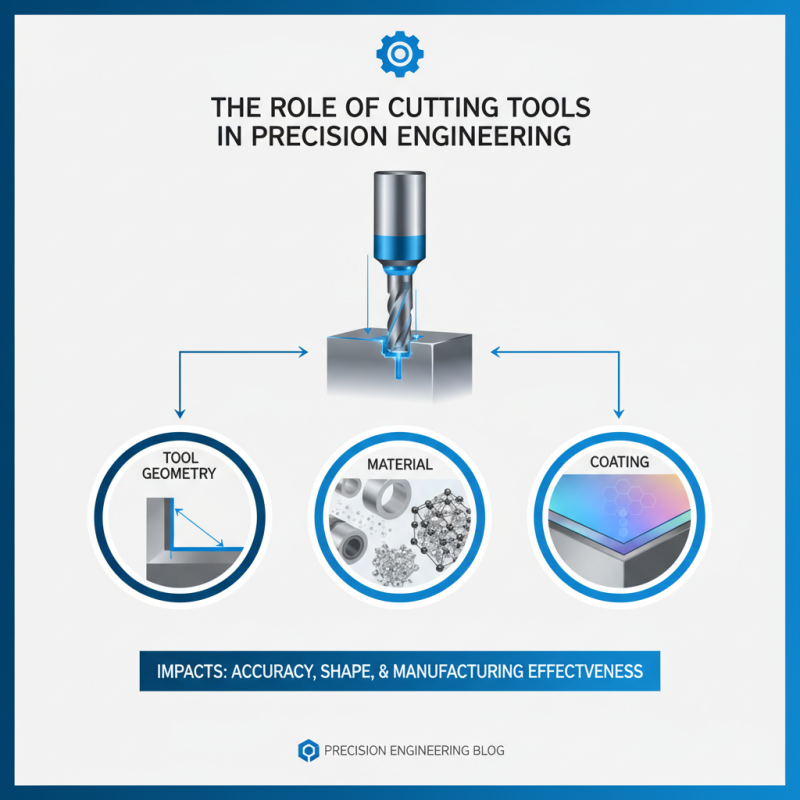
Cutting tools play a critical role in precision engineering processes. These tools are designed to shape and cut materials with utmost accuracy. When engineers select cutting tools, they consider several factors. Tool geometry, material, and coating can impact performance. Each element contributes to the overall effectiveness of manufacturing.

In precision engineering, the requirement for exact measurements is paramount. Even small deviations can lead to significant issues. Properly designed cutting tools ensure consistency, reducing waste and improving efficiency. However, choosing the right tool is not always straightforward. Different materials require specific tools for optimal results. Experienced engineers often face challenges in this decision-making process.

Moreover, ongoing maintenance of cutting tools is essential. Dull or damaged tools affect quality. Regular inspections and timely replacements are necessary. This can be a daunting task for many manufacturers. Balancing cost and quality is often a fine line. Each choice made reflects on the final product’s performance and reliability. Addressing these aspects is vital for success in precision engineering.
Types of Cutting Tools Used in Manufacturing Applications

Cutting tools play a vital role in the manufacturing sector. They ensure precision and efficiency in producing parts across various industries. A recent report from the International Manufacturing Technology Show (IMTS) indicates that precision machining accounts for about 25% of manufacturing costs. This highlights the importance of choosing the right cutting tools.

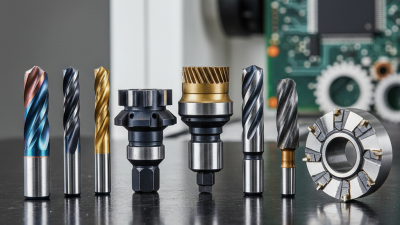
Several cutting tools are commonly used in manufacturing. End mills are versatile and can create complex shapes. According to data from SME's 2022 Manufacturing Trends Report, end mills are involved in 30% of machining processes. Drills are another essential type. They create holes with high accuracy, crucial in assembly lines. Additionally, lathes are important for turning operations, generating cylindrical shapes. A portion of operations still relies on traditional tools, emphasizing the need for both modern and conventional methods.

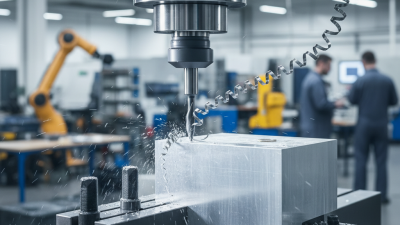
The choice of cutting tools affects productivity and quality. However, improper tool selection can lead to inefficiencies. Reports show that up to 20% of machining time can be wasted due to incorrect tools. Companies often neglect maintenance, leading to wear and tear. Such practices affect the precision of operations. Balancing technology and tradition can be challenging but necessary for optimal results.

Types of Cutting Tools Used in Manufacturing Applications

This chart illustrates the distribution of various cutting tools commonly used in precision engineering and manufacturing applications, highlighting their importance in achieving accuracy and efficiency.

Factors Influencing Cutting Tool Selection for Precision Work

Selecting the right cutting tools for precision work requires careful consideration of multiple factors. Material compatibility is crucial. Different materials, such as metals, plastics, or composites, demand specific cutting tool characteristics. Tool geometry also plays a significant role in achieving accurate cuts. For instance, the angle and shape of the cutting edge determine the effectiveness of a tool. Precision can vary based on these design features.

Speed and feed rates are essential elements to consider. Different operations require unique settings to achieve the best results. Too high or too low rates can compromise the workpiece quality. Tool life also influences your choice. Some materials wear tools faster than others, necessitating a balance between durability and performance.

Environmental conditions affect precision as well. Factors like temperature and humidity can alter tool behavior. Cutting fluid types may also change depending on the material and operation. Each choice has potential drawbacks and impacts overall outcomes. Evaluating these factors requires expertise and experience in the field. Understanding the nuances enables better decision-making and enhances precision engineering efforts.

Maintenance and Care of Cutting Tools for Enhanced Performance

Cutting tool maintenance is vital in precision engineering and manufacturing. Regular care enhances their lifespan and performance. According to research from the National Institute of Standards and Technology (NIST), well-maintained cutting tools can increase productivity by up to 20%. This underscores the importance of a robust maintenance schedule.

Proper cleaning prevents the buildup of debris on cutting surfaces. This buildup can lead to tool wear or damage. The American Society of Mechanical Engineers (ASME) emphasizes that a clean tool produces better cuts and reduces waste. Furthermore, routine inspections can identify wear patterns. Early detection can save costs related to premature tool replacement.

Moreover, operators should understand the cooling and lubrication requirements of their tools. Inadequate cooling can lead to overheating and premature failure. A lack of lubrication can cause friction and wear. Employing appropriate lubricants can improve cutting efficiency by approximately 15%, as noted in industry reports. Reflecting on these practices reveals the need for continual learning and adapting.

Technological Advancements in Cutting Tools for Modern Manufacturing

Why Cutting Tools Are Essential for Precision Engineering and Manufacturing?

Technological advancements in cutting tools have revolutionized precision engineering and manufacturing. In recent years, tools made from advanced materials like carbide and ceramic have shown significant improvements in durability and performance. According to a report by Research and Markets, the global cutting tools market is projected to reach $20.32 billion by 2025, reflecting a strong demand for sophisticated machining processes. The integration of smart technologies, such as IoT and AI, is also contributing to the evolution of cutting tools.

Modern cutting tools now feature improved geometries and coatings. These enhancements increase efficiency and reduce wear rates. For instance, some tools now exhibit a 30% increase in cutting speeds compared to their predecessors. Yet, the transition to such technologies is not without challenges. Many manufacturers face a learning curve when integrating new tool designs into existing systems. This adaptation period can lead to operational inefficiencies if not managed properly.

Additionally, sustainability in manufacturing is becoming a priority. The development of eco-friendly cutting tools aims to minimize environmental impact. While innovations have progressed, challenges remain in balancing performance with sustainability. Manufacturers must continually evaluate the lifecycle impacts of their tools, reminding us that not all advancements yield immediate benefits. The path forward is not flawless, but it is crucial to embrace both technology and ethical manufacturing practices.