How to Choose a Precision CNC Milling Machine
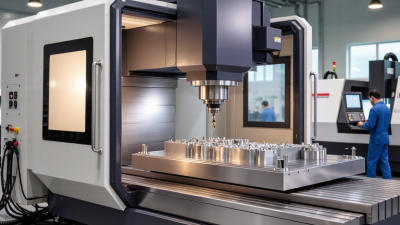
Choosing a Precision Cnc Milling Machine is not just a matter of comparing spindle speeds or reading a catalog. The right machine must match your parts, materials, tolerances, and daily production demands. A compact aluminum bracket, for example, may need different travel, tooling, and rigidity than a deep steel housing. Small details matter.
Start by defining the work the machine will actually perform. Consider part dimensions, required accuracy, expected batch sizes, and the materials you plan to cut. Then compare key specifications, including spindle power, axis travel, tool capacity, control system, and workholding options. A machine with impressive speed may still disappoint if it lacks rigidity during heavy cuts or cannot reach features inside a complex part. Ask suppliers for sample machining results, service details, and realistic delivery estimates. Verify what is included in the quoted price, such as installation, training, and probing equipment. Those costs are easy to overlook.
Specifications are only part of the decision. Operator experience, maintenance access, local support, and the availability of replacement components also affect long-term performance. If possible, inspect a similar machine running a representative job; listen for vibration and look closely at the surface finish. One test cannot predict every outcome. Be cautious about choosing solely on the lowest price or a single accuracy figure. Real production conditions are less tidy than brochures suggest, and I may be underweighting factors that matter in your shop. A careful comparison helps you choose a machine that fits both today’s workload and the work you hope to take on next.
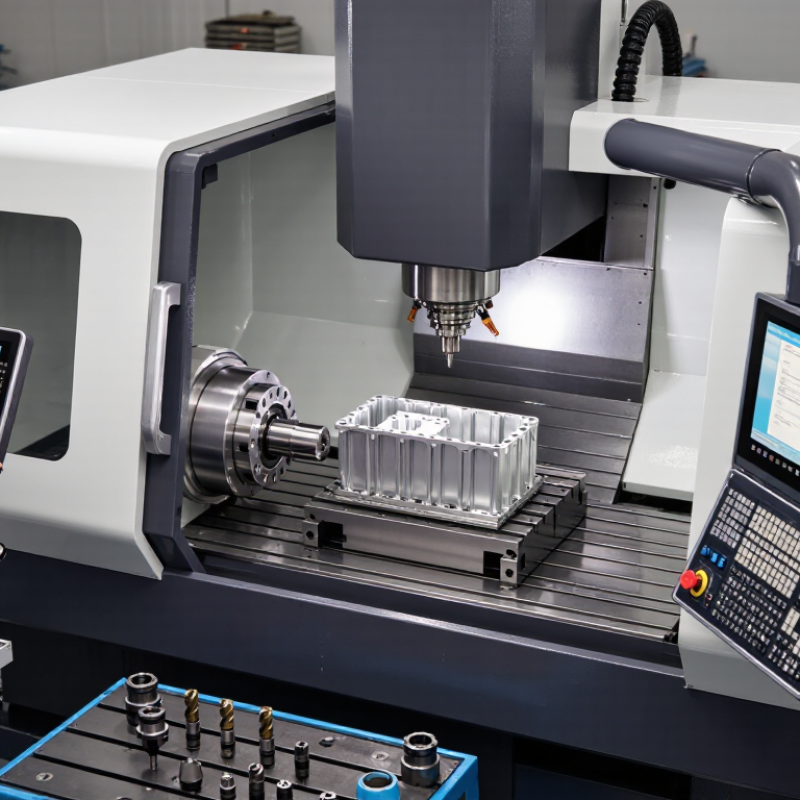
Define the Parts and Tolerances the Machine Must Handle
Start with the part, not the machine’s advertised travel. List its largest dimensions, smallest features, material, and how it will be held. A thin aluminum plate with deep pockets behaves differently from a compact steel block. Include the tool access needed around ribs, holes, and internal corners. Small details matter. It is tempting to over-specify every dimension, but that can add cost without improving function.
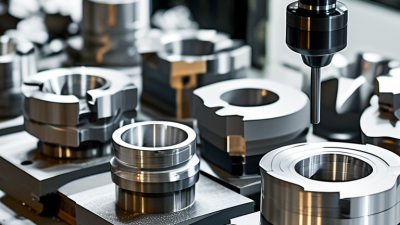
Translate drawing tolerances into machining requirements. Separate critical dimensions from surfaces that only need a clean, functional finish. A bore at ±0.01 mm may need thermal stability, suitable tooling, and careful inspection—not merely a precise axis. Check whether tolerances apply after finishing, across multiple setups, or at a specific temperature. That distinction is easy to miss.
Match required accuracy to repeatability across the full work envelope, not just a best-case specification. Ask for test cuts in similar material and geometry, then measure the parts with appropriate instruments. Record cycle time and tool wear too; a machine that hits tolerance once may not hold it through a long run. One trial is not proof. Consider awkward parts you make less often as well; planning only for the easiest component can leave little room for growth.
Compare Milling Configurations, Work Envelopes, and Axis Travel
Choosing a precision CNC milling machine starts with the parts you need to make, not the largest travel figures on a specification sheet.
A three-axis configuration suits many prismatic parts and keeps programming relatively direct. Rotary axes can reach angled features with fewer setups, but the added motion may reduce usable space around the fixture. More axes are not automatically better.
Compare the stated work envelope with the actual distance between the spindle, table, and tool. A machine might offer generous X-axis travel yet struggle with a tall vise or a long cutting tool. Check all three axis travels against your largest part, fixture, and tool assembly. Leave room for loading and safe tool changes. These details are easy to underestimate. A little margin helps, though too much capacity can mean unnecessary cost and floor space.
Tips: Draw your largest part and fixture to scale, then check clearance at the tightest tool angle. Ask for a sample machining review using your own geometry. Verify travel with the table and spindle positions you expect to use. Measurements can still miss awkward access issues, so review the setup carefully before deciding.
Check Tooling, Workholding, Software, and Automation Compatibility
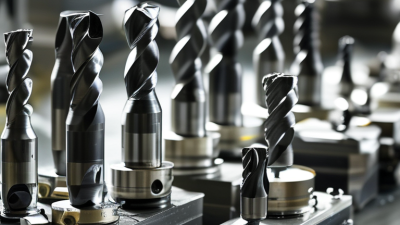
When evaluating a precision CNC milling machine, treat compatibility as a production requirement, not an accessory checklist. Confirm the spindle taper, tool-holder interface, maximum tool diameter, and magazine capacity against real jobs. A large magazine may seem ideal, but long cutters can occupy neighboring pockets. Check spindle speed and torque for both small end mills and heavier cuts. Maximum speed alone tells you little.
Workholding must fit the parts you actually make. Compare table dimensions, T-slot spacing, and axis travel with your vise, fixture plate, or rotary setup. Leave room for clamps and tool movement. A fixture that fits on the table can still block access to a corner feature. Ask about probing options and whether the control can handle your preferred work offsets. Small details matter.
Software compatibility deserves a hands-on test. Verify that your CAM system can post code for the machine’s control, then simulate a representative part and inspect tool changes, coolant commands, and rotary moves. Automation can help, but only when loading, tool management, and safety interlocks match the workflow. It is easy to overestimate the value of a robot before checking part-change time and fixture repeatability. A short test cut may reveal gaps that a specification sheet misses.
Assess Installation Needs, Maintenance, Support, and Total Cost
Choosing a precision CNC milling machine starts with the room it must occupy and the work it must repeat. Measure twice. Check floor loading, door width, ceiling height, power supply, compressed air, coolant handling, and chip removal before requesting installation. A machine’s stated accuracy means little if the foundation vibrates or shop temperatures swing. Ask for installation requirements in writing, and confirm who levels, aligns, and validates the machine after setup. Leave access for service panels and tool changes; tight layouts become costly quickly.
Tips: Walk the proposed route with a tape measure, then mark the machine footprint and operator clearance on the floor. Ask for a sample maintenance schedule and a written list of included training, response times, and travel charges. Small omissions matter.
Maintenance and support shape usable capacity. Review lubrication points, filter changes, spindle service intervals, and common wear parts with the people who will operate the machine. Request realistic estimates for preventive maintenance and consumables, not only the purchase price. Compare warranty terms, remote diagnostics, technician availability, and parts lead times in your region. Calculate several years of costs, including installation, tooling, energy, training, downtime, and financing. Downtime costs. A lower purchase price may suit occasional work, but recurring precision jobs can expose weak support. Estimates are never perfect; revisit them after a few months of production.
 +86 13630122007

 CONTACT YIYAN
 CONTACT YIYAN