How to Choose the Right Cnc Machining Parts for Your Needs?
Choosing the right CNC machining parts can significantly impact your project's success. CNC machining parts are vital for precision engineering and manufacturing processes. With countless options available, making an informed decision is crucial.
Factors like material type, tolerances, and applications should guide your selection. You must assess your specific needs and expectations. Every project is unique, and a one-size-fits-all approach rarely works. Understanding the intended use of your CNC machining parts is essential. Are they for aerospace, automotive, or medical applications? Each sector has distinct requirements.
Experience plays a major role in making the best choice. Consulting with experts can provide valuable insights. However, it's also important to reflect on previous decisions. Learning from past mistakes can enhance your selection process. Quality is non-negotiable, yet it should align with your budget. Finding this balance can be challenging but is essential for achieving desired outcomes.
Understanding CNC Machining: An Overview of the Process
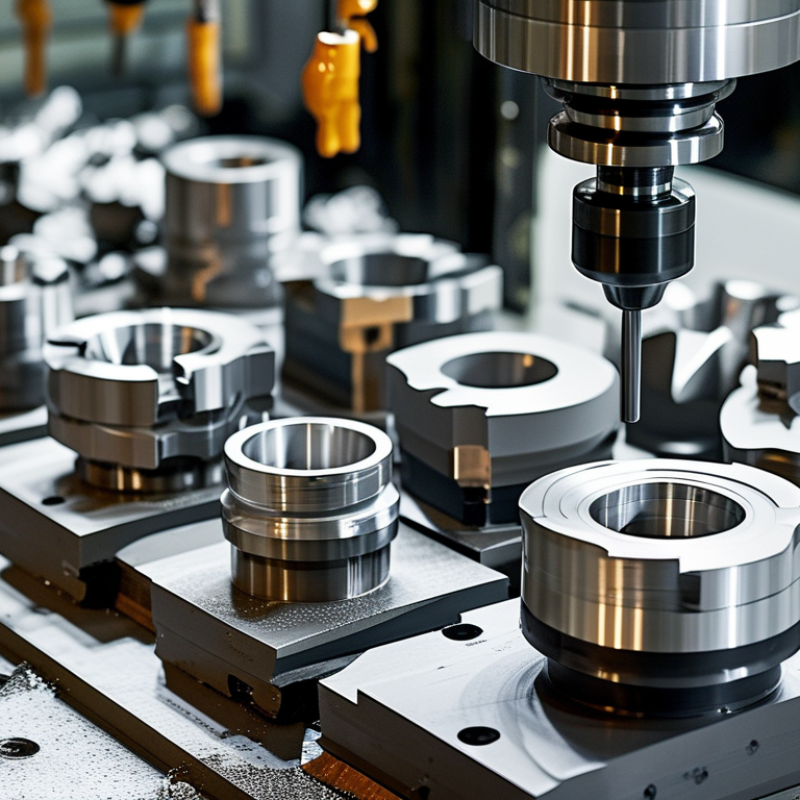
CNC machining is a highly versatile manufacturing process. It uses computer-controlled tools to create precision parts. The technology has revolutionized industries such as aerospace, automotive, and medical devices. According to a recent industry report, the global CNC machining market is expected to reach $118 billion by 2025, with an annual growth rate of 6%.
Understanding the CNC machining process is crucial for effective decision-making. This method involves various steps, including design, material selection, and tool path optimization. Each step influences the final product's quality and performance. For instance, the choice of material can affect not only the cost but also durability and machinability. It’s essential to consider specific requirements, like tolerance levels and application environments, to achieve the best results.
Tips for selecting CNC machining parts include assessing the part's complexity and required precision. More complex designs often require advanced machinery, which may increase costs. Additionally, understanding different materials and their properties is vital. Some materials are more difficult to machine, leading to extended machining times and higher expenses. Engaging with a knowledgeable supplier can provide insights into optimizing design and material choices. Remember, every decision impacts the final product.
Types of CNC Machining Parts: Which Ones Fit Your Project?
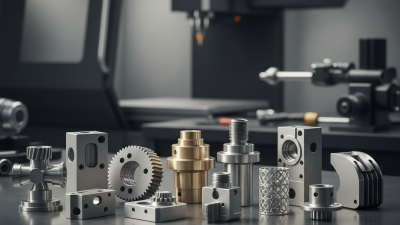
When selecting CNC machining parts, understanding types is crucial. Common options include milled parts, turned parts, and sheet metal components. Each serves a unique function. Milled parts are ideal for complex shapes. They allow precise control over dimensions and tolerances. According to the 2022 Industry Report, CNC milling accounts for over 40% of the machining market.
Turned parts are another significant category. These parts are created by removing material from a rotating workpiece. This process ensures a smooth finish and tight tolerances. A recent survey indicated that approximately 30% of manufacturers prefer turned parts for their projects. Sheet metal parts are also vital, often used in automotive and aerospace industries. They provide strength and lightweight properties.
Choosing the right type depends on project requirements. Consider materials, quantities, and budget constraints. Each type has its advantages but also limitations. For instance, while milled parts offer precision, they may have higher costs. Understanding these factors can lead to better outcomes. Sometimes, trial and error is necessary. Not every choice will be the best fit. Reflecting on past projects can guide future decisions in selecting CNC machining parts.
Factors to Consider When Selecting CNC Machined Components
When selecting CNC machined components, several critical factors come into play. Material selection is paramount. Different materials, such as aluminum, steel, and plastics, offer unique properties that can significantly affect performance. According to a 2022 industry report, more than 50% of manufacturers prefer aluminum for its lightweight and corrosion resistance. However, choosing plastics can be beneficial for applications requiring less weight and resistance to chemicals.
Precision is another essential consideration. The tolerances required for your components can dictate the machining process used. A recent analysis showed that accuracy levels within 0.005 inches are often sought in aerospace applications. Failure to meet these standards can lead to expensive rework or product failure. Understanding the specific tolerance levels helps in finding the right CNC machining service.
Lastly, consider production volume. High-volume runs may benefit from dedicated tooling, while low-volume needs might be satisfied with different machining approaches. Data reveals that 80% of companies experience delays due to poor planning in this area. Being mindful of how volume affects both cost and lead time is critical for project success. As you evaluate your CNC machining needs, reflecting on these aspects can lead to better outcomes.
Material Options for CNC Machining: Finding the Best Fit
Choosing the right material for CNC machining is crucial. Different materials offer unique properties that suit various applications. For instance, aluminum is lightweight and easy to machine. It’s a popular choice for many projects. Stainless steel, on the other hand, is known for its durability and corrosion resistance. However, it can be harder to machine.
Plastics, like ABS and nylon, are also viable options. They are cost-effective and can be machined with precision. Yet, they may lack the strength of metals. Consider the end-use of the parts. What stresses will they face? Reflect on these questions before making a decision. Different options come with their own set of challenges and benefits.
Ultimately, it’s essential to evaluate how well a material aligns with your specific needs. Using the right material can enhance product performance. Take the time to understand the trade-offs involved. Balancing cost, strength, and application requirements is key. Rushing this decision can lead to complications down the line.
How to Choose the Right CNC Machining Parts for Your Needs? - Material Options for CNC Machining: Finding the Best Fit
| Material Type |
Advantages |
Disadvantages |
Common Applications |
| Aluminum |
Lightweight, corrosion-resistant, good thermal conductivity |
Less strength compared to steel, softer |
Aerospace parts, automotive, electronic housings |
| Steel |
High strength, durability, good wear resistance |
Heavier, may be less corrosion-resistant |
Industrial machines, structural components |
| Plastic (ABS) |
Lightweight, cost-effective, easy to manufacture |
Less heat resistant, may deform under stress |
Consumer products, prototypes, small parts |
| Titanium |
High strength-to-weight ratio, excellent corrosion resistance |
Expensive, challenging to machine |
Aerospace, medical implants, high-performance applications |
| Copper |
Excellent electrical conductivity, easy to machine |
Prone to corrosion, softer than other metals |
Electrical connectors, heat exchangers |
Evaluating Manufacturer Capabilities for Your CNC Needs
When choosing CNC machining parts, evaluating manufacturer capabilities is crucial. Look for manufacturers with a proven track record. Check their experience in producing the specific parts you need. A reliable manufacturer should have expertise in different materials and techniques. They should also demonstrate the ability to meet your exact specifications.
Research their equipment and technology. Up-to-date machinery can significantly affect the quality of the parts produced. Ask about their quality control processes. Consistent quality assurance ensures that your parts will meet industry standards. Take note of their certifications and any past projects they can showcase.
Communication matters. A responsive manufacturer fosters a better working relationship. It's essential to express your needs clearly. Sometimes, manufacturers may not fully understand your requirements, leading to issues. Be prepared to discuss and refine your ideas. This collaboration can improve the final product and prevent costly mistakes down the line.
 +86 13630122007

 CONTACT YIYAN
 CONTACT YIYAN