How to Choose the Right Chip Removal Device for Your Needs?
Choosing the right Chip Removal Device can be a daunting task. Many options flood the market, each claiming superiority. Understanding your specific needs is crucial. You want a device that effectively meets your material requirements and operational preferences.
Quality should never be compromised. Look for devices with proven performance and reliable user reviews. However, even the best devices can have limitations. Sometimes, the perfect tool for one job may not be the best for another. Take time to evaluate what your priorities are.
Consider features like suction power, ease of use, and maintenance needs. A device that excels in one area may fall short in another. It's necessary to balance these factors based on your unique situation. Reflect on past experiences and how they might influence your choice today.
Understanding the Importance of Chip Removal in Manufacturing
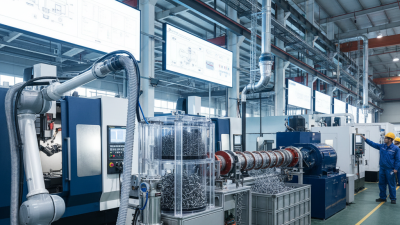
In modern manufacturing, chip removal plays a critical role in ensuring efficiency and product quality. Effective chip removal systems can enhance productivity by up to 30%, according to a recent report by the American Machining Institute. Chips can hinder machining processes, causing breaks and deviations in the manufacturing line. This not only increases downtime but also compromises the precision of the final product.
A well-designed chip removal device should account for various factors. For example, the size and type of chips produced can vary greatly depending on the material being machined. A study by the International Journal of Manufacturing Science highlighted that improper chip removal can lead to tool wear rates that exceed normal operating conditions by 15%. Opting for a device that matches the specific needs of your machining process is essential in preventing these issues.
Users must also consider maintenance requirements. Many chip removal systems may require frequent cleaning and upkeep, which can disrupt operations. Balancing performance and upkeep can be a challenge. Selecting the right system involves weighing these factors along with the manufacturer's recommendations and real-world performance data. This decision process reveals that one size does not fit all when it comes to chip removal in manufacturing.
Types of Chip Removal Devices Available in the Market
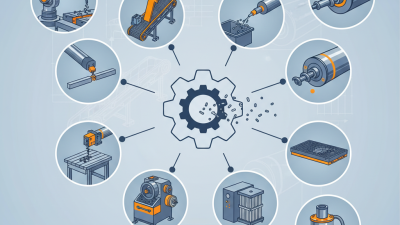
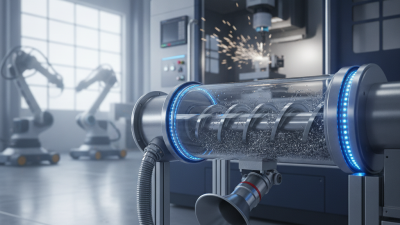
When considering chip removal devices, understanding your options is vital. Several types exist, each suited for different needs. Vacuum systems are popular due to their efficiency in collecting chips quickly. They work well for continuous operations, minimizing downtime.
Centrifugal chip separators offer another strong choice. These devices use centrifugal force to remove chips from fluids, protecting machinery from damage. They are favored in heavy manufacturing settings where high volumes of chips are generated. However, installation and maintenance can require technical expertise, posing potential challenges.
Magnetic chip removers are effective for ferrous materials. They attract metal shavings to avoid clogging. While they may be easy to use, they can struggle with non-ferrous materials. This limitation requires careful consideration of material types during selection. Ultimately, matching the device to your specific needs ensures optimal performance.
Chip Removal Devices Market Comparison
Factors to Consider When Choosing a Chip Removal Device
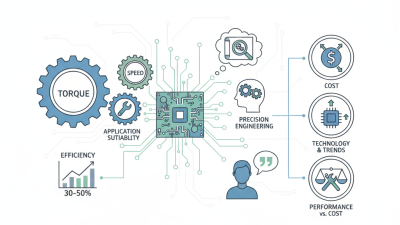
When selecting a chip removal device, various factors play a crucial role. One key consideration is the type of material you will be working with. Different devices are designed for specific materials, such as metal, wood, or plastic. Understanding your application helps narrow down options effectively.
The size and shape of the workspace must also be evaluated. A compact area may require a smaller device, while larger projects can accommodate bigger machines. Pay attention to the capacity of the device. Some may be efficient for small-scale tasks but underperform when handling larger volumes of chips. For effective chip removal, efficiency is vital.
Another factor is the ease of use. Some devices come with intricate setups, complicating the process for beginners. Make sure to choose a device that aligns with your skill level. Consider ongoing maintenance as well. A device that is hard to clean will not be reliable in the long run. Reflect on your specific needs to find a device that truly fits.
Comparing the Efficiency of Different Chip Removal Solutions
When selecting a chip removal device, efficiency is crucial. Different solutions vary significantly in performance, and understanding these differences can enhance productivity in manufacturing. Data from recent industry reports indicate that vacuum systems can remove up to 98% of chips during machining. This efficiency leads to cleaner workspaces and longer tool life. In contrast, traditional methods may only achieve 70% efficiency, which can hinder operations.
Consider various factors when choosing a chip removal system. For instance, the type of machining process greatly influences chip generation, affecting the choice of removal method. For high-speed machining, an efficient suction system may be more suitable. On the other hand, for slower processes, a simple conveyor system might suffice.
Tip: Always assess your machine's layout. An optimally placed chip removal device can improve efficiency.
Another aspect is maintenance. Regular checks can prevent downtime caused by clogs or malfunctions. Analyzing the cost of ownership over time will provide insights into the best investment for your needs.
Tip: Track performance metrics. Monitoring chip removal rates can guide enhancements and adjustments to your system.
Choosing the right chip removal device requires a careful examination of operational needs and efficiency metrics. Real-world experiences often reveal a gap between expected and actual performance, prompting a rethink of initial choices.
Maintenance and Care Tips for Your Chip Removal Device
Maintaining a chip removal device is vital for ensuring its longevity and efficiency. Regular cleaning is essential. A buildup of chips can impair the device's function. Studies show that devices with regular maintenance can perform up to 30% better than those neglected. This is particularly true for those in high-frequency usage environments.
Checking the blades for wear is crucial. Dull blades can lead to inefficient chip removal and increased strain on the motor. This inefficiency may not be immediately noticeable, but it can significantly impact performance over time. According to industry reports, replacing blades when wear is detected can maintain a device's effectiveness. It’s suggested to inspect blades monthly if the device is used daily.
Proper storage is also a key aspect of care. Protecting the device from moisture and extreme temperatures prevents unnecessary damage. This simple strategy can extend the operational life of these machines. Neglecting these aspects may lead to costly repairs or replacements. In fact, devices that were stored improperly have a 40% higher chance of failure within the first year. Adjusting these small habits can make a significant difference.
 +86 13630122007

 CONTACT YIYAN
 CONTACT YIYAN