How to Source Quality CNC Machining Parts for Your Projects?
In the competitive landscape of manufacturing, sourcing quality CNC machining parts is crucial for project success. According to a recent report by Grand View Research, the global CNC machining market is expected to reach $117.93 billion by 2025, demonstrating the increasing demand for precision-engineered components. Industry expert, Dr. Helen Chen, emphasizes that "the accuracy and reliability of CNC machining parts are the backbone of modern manufacturing." This statement highlights the importance of selecting suppliers that prioritize quality.
However, sourcing the right parts can be challenging. Many manufacturers face difficulties in finding trustworthy suppliers that deliver consistent quality and adhere to regulations. The complexity of CNC machining also means that not all suppliers can meet specific project requirements. It’s essential to evaluate potential vendors carefully, ensuring they have a proven track record. A lack of due diligence here can lead to costly mistakes.
Moreover, the landscape is constantly evolving. Advanced technologies and changing market conditions mean that best practices in sourcing are not static. Suppliers must adapt swiftly to remain competitive. Reflecting on this dynamic environment, it becomes clear that sourcing CNC machining parts is not merely about cost; it's about ensuring excellence in every aspect of production.
Understanding CNC Machining and Its Applications
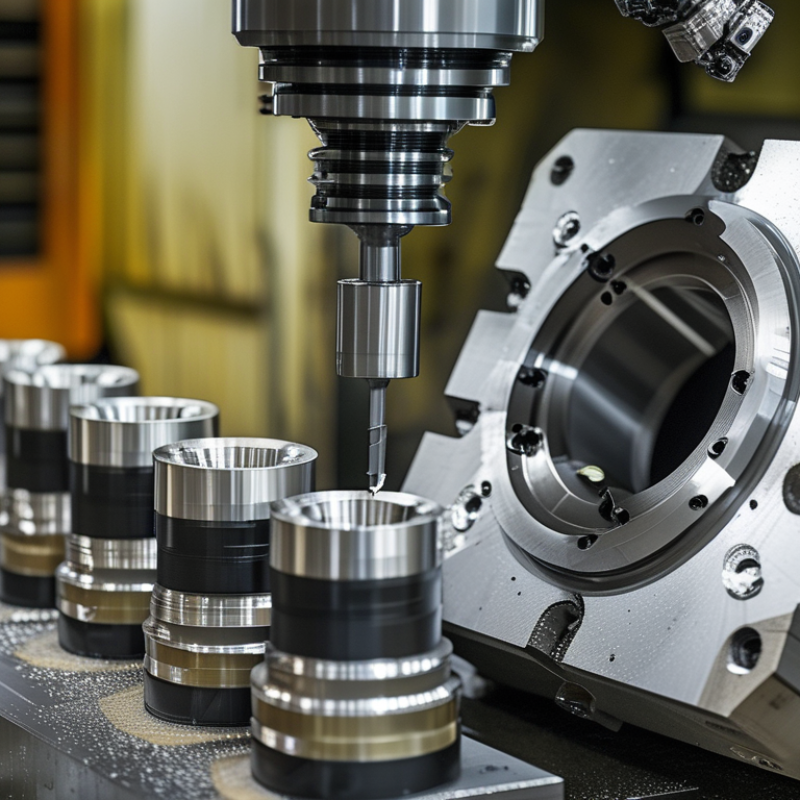
CNC machining plays a vital role in modern manufacturing. This computer-controlled process transforms raw materials into precise, complex parts. It is widely used across industries, including automotive, aerospace, and medical devices. The versatility of CNC machining allows for various materials, such as metals, plastics, and composites, to be effectively shaped and finished. Statistics show that the global CNC machining market is expected to reach approximately $100 billion by 2025, indicating its growing significance.
Understanding CNC applications is crucial for project success. For instance, in the automotive sector, CNC parts are essential for performance and safety. High precision is non-negotiable in components like engine parts and chassis. Similarly, the aerospace industry relies on CNC machining for lightweight yet durable parts. A report by MarketsandMarkets highlights how precision engineering impacts efficiency and cost-effectiveness in production. However, not every CNC supplier can deliver consistently high-quality work. Thus, selecting a reliable manufacturer is paramount. It requires researching capabilities, certifications, and past projects to ensure suitability.
Despite advancements, challenges exist. Not all CNC processes yield perfect results. Variability in material quality can affect the final product. Tolerance issues may arise during machining, requiring meticulous inspection. Regular feedback loops with manufacturers are essential to address these gaps. Establishing clear communication can mitigate risks and enhance overall project outcomes.
Identifying Your Project Requirements for CNC Parts
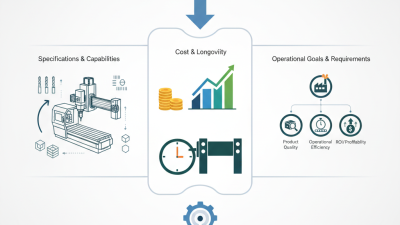
Identifying your project requirements is crucial when sourcing CNC machining parts. Start by defining the specifications for the parts you need. Consider factors such as dimensions, tolerances, and material types. Understanding these details ensures you collect the right information for suppliers. Sketches or 3D models can effectively communicate your vision.
Another important aspect is determining the quantity of parts required. Low-volume runs may offer more flexibility in design but could also lead to higher per-part costs. For larger quantities, it's essential to think about production timelines and delivery schedules. Balancing quality with cost is a significant challenge, often requiring reflection on your project goals.
Don't overlook quality control. Establishing clear inspection criteria can prevent issues later in the process. It might be worthwhile to visit suppliers or request samples to assess their capabilities firsthand. Real-world testing of prototypes is an excellent way to identify potential shortcomings. It can highlight areas for improvement that might not be evident on paper. Make adjustments, learn from them, and iterate your designs as necessary. This approach fosters collaboration and enhances the final product.
Quality CNC Machining Parts Sourcing Analysis
This chart illustrates the distribution of CNC machining parts sourced based on quality assessment criteria such as Material Quality, Precision, Supplier Reliability, and Cost Efficiency.
Researching and Evaluating Potential CNC Machining Suppliers
When researching CNC machining suppliers, it's vital to consider several key factors. The quality of parts is heavily reliant on a supplier's capabilities. According to a recent industry report, 65% of businesses highlight precision as their top priority. Therefore, reviewing a supplier’s equipment and technology can provide insight into their ability to meet intricate specifications.
Evaluating industry certifications is also crucial. Look for suppliers who possess certifications like ISO 9001. This standard ensures consistent quality management. In fact, approximately 30% of customers report dissatisfaction due to poor quality control. Gaining transparency in their processes can reveal potential risks.
Gathering feedback from previous customers is vital. A survey indicated that 40% of clients switch suppliers because of inadequate communication. Reach out for references and ask about their experiences. Consider the responsiveness and willingness to collaborate. This reflects their commitment to customer care. It’s beneficial to balance cost with quality; lower prices might compromise standards. Be alert to these pitfalls during your research.
Assessing Quality Control Processes in CNC Machining
Quality control processes are critical in CNC machining. They determine the reliability of parts used in various industries, such as aerospace, automotive, and medical. A recent industry report indicates that companies with robust quality control measures see a 20% decrease in production defects. This emphasizes the need for thorough assessments of these processes.
To ensure quality, manufacturers should implement multi-stage inspections. These can include in-process checks, final inspections, and even third-party audits. For instance, using coordinate measuring machines (CMM) can enhance precision in dimension checks. Reports show that 40% of defects arise during the machining process due to inadequate monitoring. This highlights a gap in some companies' quality control.
Another area for reflection is documentation. Many manufacturers overlook the importance of maintaining complete records of quality checks. A study found that 70% of quality issues stem from poor traceability. Establishing a detailed documentation system can help identify flaws and improve the overall quality of CNC parts. Investing in better quality control is essential for long-term success in the CNC machining industry.
Establishing Effective Communication with CNC Manufacturers
Effective communication with CNC manufacturers is crucial for sourcing quality machining parts. Clear dialogue helps to convey your project specifications accurately. Start by outlining your requirements in detail. Include dimensions, materials, and tolerances. This sets a solid foundation for the relationship.
Tip: Use visual aids like sketches or CAD files. These tools bridge the gap between technical jargon and manufacturing realities. Manufacturers appreciate clarity. However, be prepared for questions. They may need to clarify your design intentions. Stay open and responsive. This creates a collaborative environment.
It’s common to face misunderstandings. Sometimes, what seems clear to you isn’t to others. Don’t hesitate to ask for feedback on your specifications. Request samples to check quality and fit. Mistakes can be costly. Addressing concerns early saves time and resources. Always seek to improve your communication style. This fosters trust and reliability in your partnerships.
How to Source Quality CNC Machining Parts for Your Projects?
| Communication Aspect |
Description |
Importance |
| Initial Inquiry |
Ask about capabilities, lead times, and material options. |
Sets the foundation for collaboration and understanding. |
| Technical Specifications |
Provide detailed drawings and specifications for accuracy. |
Ensures that the manufacturer can meet your requirements. |
| Regular Updates |
Request updates on production status and changes. |
Helps prevent delays and miscommunication. |
| Feedback Loop |
Discuss the quality of the parts and any necessary adjustments. |
Improves future projects by refining processes. |
| Final Review |
Conduct a final quality check before shipment. |
Ensures the parts meet quality standards before delivery. |
 +86 13630122007

 CONTACT YIYAN
 CONTACT YIYAN