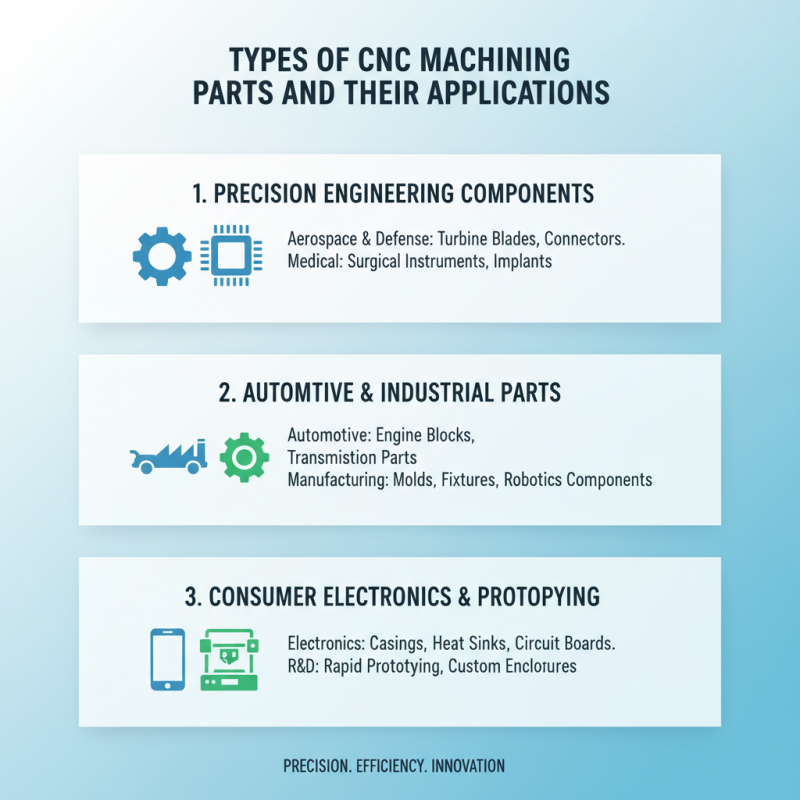
What is Cnc Machining Parts and Their Importance in Manufacturing?
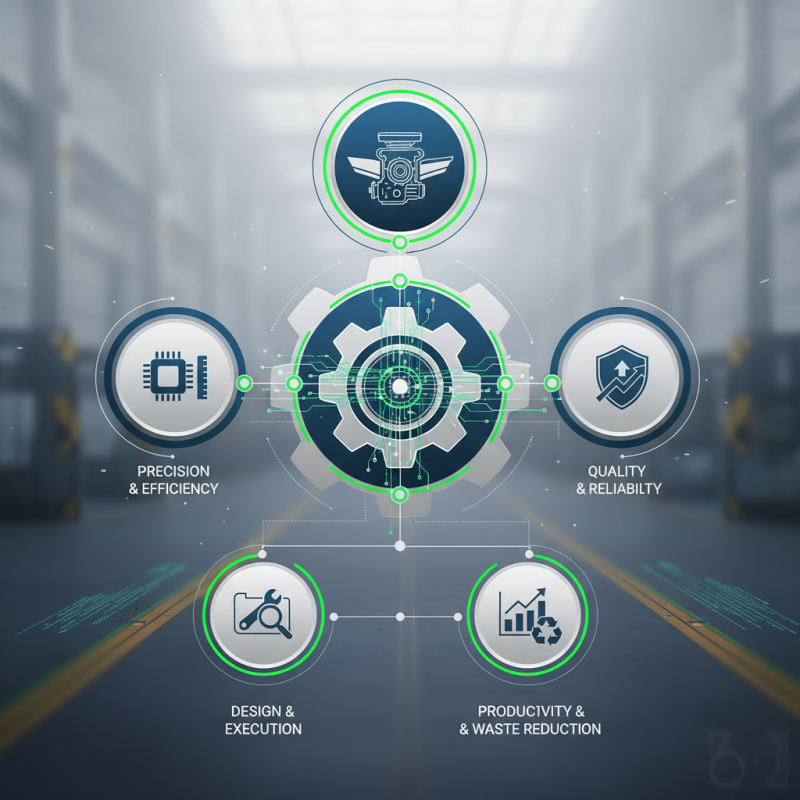
CNC machining parts play a crucial role in modern manufacturing. Their precision and efficiency drive many industries forward. These components are made using Computer Numerical Control (CNC) technology, which ensures accuracy and consistency.
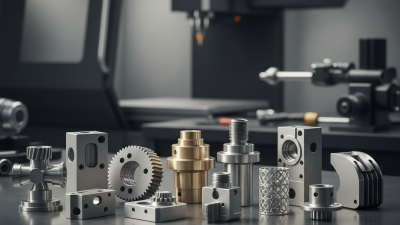
Manufacturers rely on CNC machining parts for various applications. From automotive to aerospace, these parts are essential. They are produced to tight tolerances, meeting the exact specifications required. However, not all manufacturers fully understand the potential of CNC machining. This lack of awareness can lead to missed opportunities in product innovation.
Quality and reliability are paramount in CNC machining processes. By investing in top-notch CNC components, businesses can enhance productivity and reduce waste. Yet, challenges remain. The complexity of projects may lead to errors in design or execution. Continuous improvement is vital for maximizing the benefits of CNC machining parts.
What is CNC Machining?
CNC machining stands for Computer Numerical Control machining. It is a process that utilizes computer software to control machine tools. These tools include lathes, mills, and grinders, which cut, shape, and finish materials such as metal, plastic, and wood. According to a report from MarketsandMarkets, the global CNC machining market is expected to reach USD 117.5 billion by 2025, indicating its critical role in modern manufacturing.
CNC machining is essential due to its precision and efficiency. Automation reduces human error. Moreover, CNC machines can run continuously, increasing production rates. Engineers and manufacturers greatly depend on this technology for prototypes and large-scale productions. However, it requires skilled programmers who understand both machining principles and programming languages.
Tips: Regularly update your CNC software. This helps maintain accuracy and efficiency. Also, conduct routine maintenance on machines to prevent breakdowns. Operators should review programming codes for errors. Even small mistakes can lead to costly defects in parts. Proper training for staff can enhance output quality. Keeping an eye on technological advancements can keep manufacturers competitive.
The Process of CNC Machining Explained
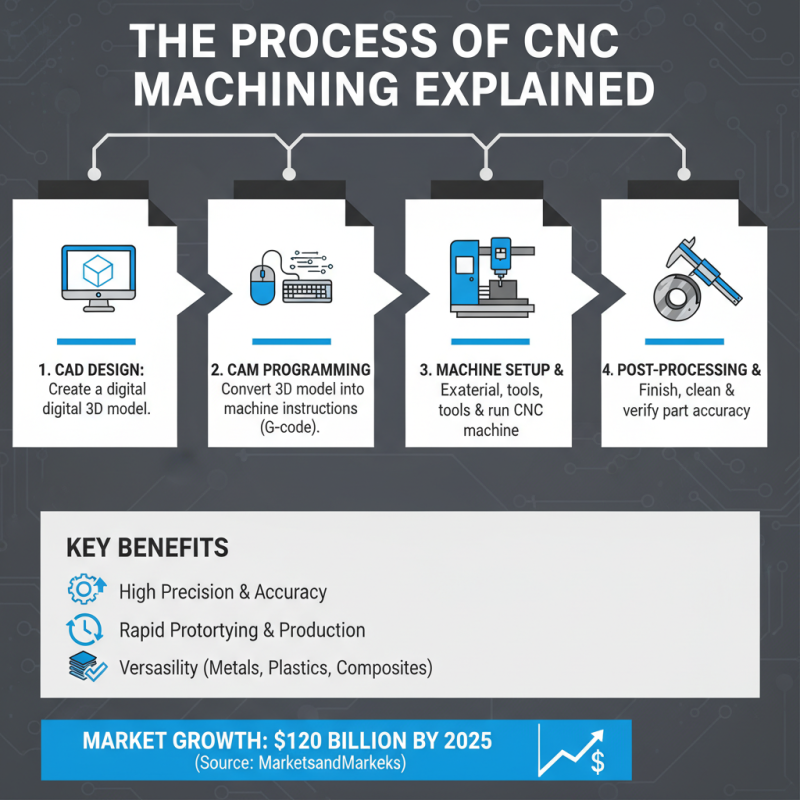
CNC machining is a critical process in modern manufacturing. It utilizes computer-controlled machines to create parts from various materials. These machines can cut, shape, and mill components with great precision. According to a report by MarketsandMarkets, the CNC machining market is expected to reach $120 billion by 2025, reflecting its growing significance.
The CNC machining process starts with computer-aided design (CAD). Engineers create 3D models of the desired parts. These models are translated into machine code. The CNC machine interprets this code and begins the fabrication process. This allows manufacturers to produce complex geometries that would be difficult or impossible to achieve with traditional machining.
In addition to precision, CNC machining offers efficiency. It reduces waste by optimizing tool paths. However, the reliance on technology can also lead to challenges. For instance, if the software malfunctions, the entire production line can be impacted. Companies must remain vigilant in maintaining both software and hardware to ensure consistent quality. By improving their CNC machining processes, manufacturers can greatly enhance production outcomes and stay competitive.
Benefits of CNC Machining in Modern Manufacturing
CNC machining parts are essential in modern manufacturing. They enable high precision and efficiency. This technology uses computer-controlled machines to create complex parts. The benefits are significant, affecting productivity and product quality.
One key advantage of CNC machining is its ability to produce intricate designs. This capability allows for greater flexibility in product development. Customization is easily achievable. However, reliance on technology may pose challenges. Not all operators may fully understand machine limits. Continuous training is crucial for optimal results.
Tips for companies: Regular maintenance of CNC machines prevents downtime. Ensuring the software is updated enhances performance. Understand the materials used in production to avoid mistakes. Many firms overlook material selection, impacting quality. Prioritizing these aspects can boost overall productivity and reduce costs.
What is CNC Machining Parts and Their Importance in Manufacturing? - Benefits of CNC Machining in Modern Manufacturing
| CNC Machining Parts |
Material |
Applications |
Benefits |
| Couplings |
Aluminum |
Automotive and Robotics |
High strength and lightweight |
| Brackets |
Steel |
Aerospace and Heavy Machinery |
Durable and resistant to corrosion |
| Gears |
Plastic and Steel |
Industrial Machinery |
Precision and improved efficiency |
| Covers |
Aluminum and Stainless Steel |
Electronics and Medical Devices |
Customizable designs and lightweight |
| Components |
Titanium |
Defense and Aerospace |
High strength-to-weight ratio |
The Role of CNC Machining in Product Development and Precision Engineering
CNC machining plays a crucial role in product development and precision engineering. This technology allows manufacturers to create intricate parts with high accuracy. A CNC machine transforms raw materials into complex shapes through precise cutting and shaping. This process enhances the reliability and consistency of produced items. Each component can be manufactured to exact specifications, reducing the chances of defects.
In product development, CNC machining allows for rapid prototyping. Designers can create multiple iterations quickly. This speeds up the design phase and helps identify flaws early. However, challenges remain. For instance, setting up CNC machines can be time-consuming. Additionally, operators need comprehensive training to optimize the machinery's capabilities. Mistakes during programming can lead to costly errors.
Precision engineering relies heavily on CNC machining. The ability to repeat complex designs with utmost detail makes it invaluable. Parts can be produced in various materials, including metals and plastics. Nonetheless, it requires careful oversight to ensure quality. Even the slightest deviation can affect product performance. Continuous improvement is necessary to enhance machining methods and minimize waste.
Importance of CNC Machining Parts in Manufacturing
 +86 13630122007

 CONTACT YIYAN
 CONTACT YIYAN