Leave Your Message

10 Essential Tips for Using a Precision CNC Boring Machine Effectively?

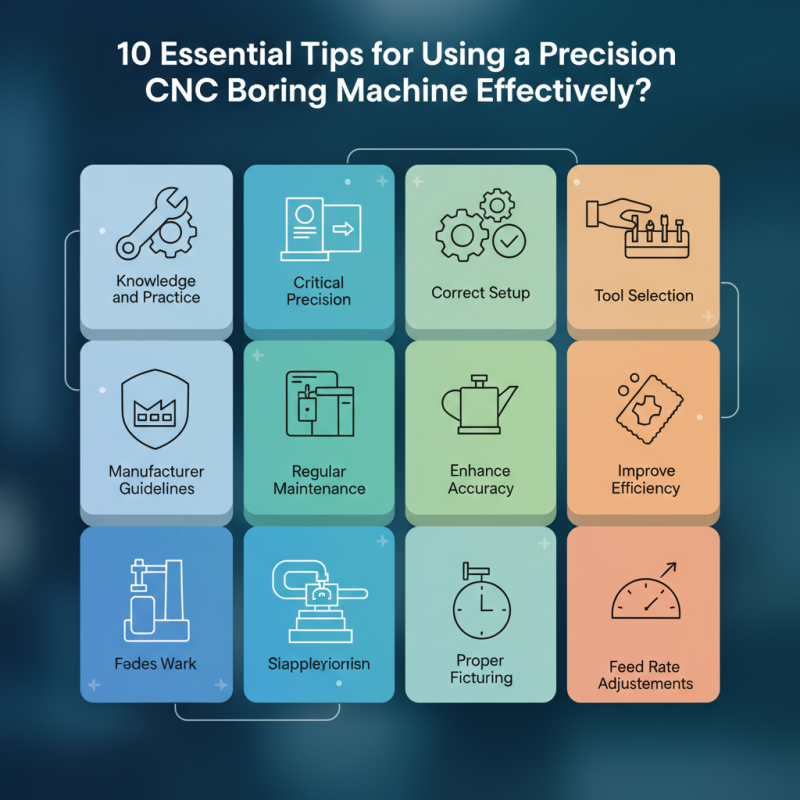
Using a Precision CNC Boring Machine can greatly enhance your machining capabilities. This tool offers critical precision for various projects. However, mastering its use requires knowledge and practice. Understanding the intricacies of this machine can significantly improve results.

Many users struggle with adjustments and operations. Common mistakes include incorrect setup and tool selection. These errors may lead to operational inefficiencies. Regular maintenance is often overlooked, which can affect performance. Failing to adhere to manufacturer guidelines may also result in costly repairs.

Effective usage of a Precision CNC Boring Machine can elevate the quality of work. Applying specific strategies can enhance both accuracy and efficiency. Techniques like proper fixturing and feed rate adjustments are essential to achieving desired outcomes. Understanding these aspects is crucial for any operator aiming for excellence.
10 Essential Tips for Using a Precision CNC Boring Machine Effectively?

Understanding the Basics of Precision CNC Boring Machines

10 Essential Tips for Using a Precision CNC Boring Machine Effectively?

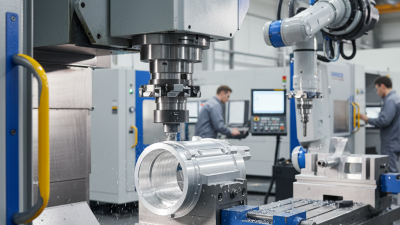
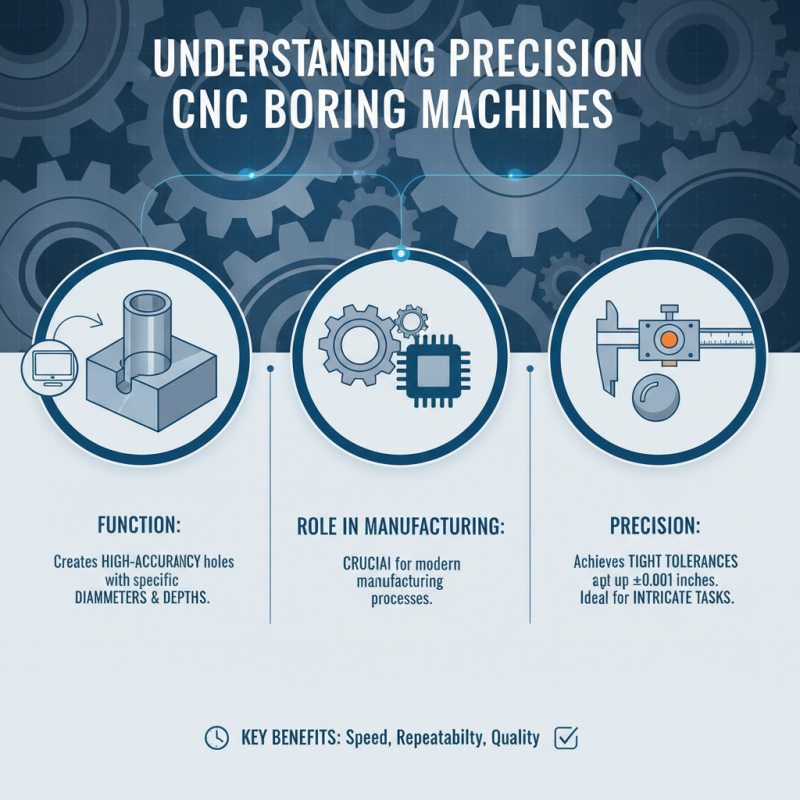
Precision CNC boring machines play a crucial role in manufacturing today. These machines provide high accuracy in creating holes with specific diameters and depths. Understanding their basic functioning is essential for any operator. Reports indicate that precision CNC machines can achieve tolerances as tight as ±0.001 inches, making them ideal for intricate tasks.

Operators need to grasp the fundamental components, such as the spindle and tool holders. A properly calibrated spindle is vital for achieving precision. However, many users overlook the importance of regular maintenance. Data suggests that nearly 30% of machine malfunctions arise from neglecting upkeep. Regular inspections can significantly reduce unexpected downtime.

It's also important to note the learning curve for new operators. While training can expedite familiarity, practical experience can reveal hidden challenges. For instance, understanding the material properties being bored can impact tool life and hole quality. Many operators find that they need to adjust their approach based on real-world conditions. This necessity for adaptability highlights the ongoing learning aspect of using CNC boring machines effectively.

Key Features to Look for in a Precision CNC Boring Machine

10 Essential Tips for Using a Precision CNC Boring Machine Effectively?

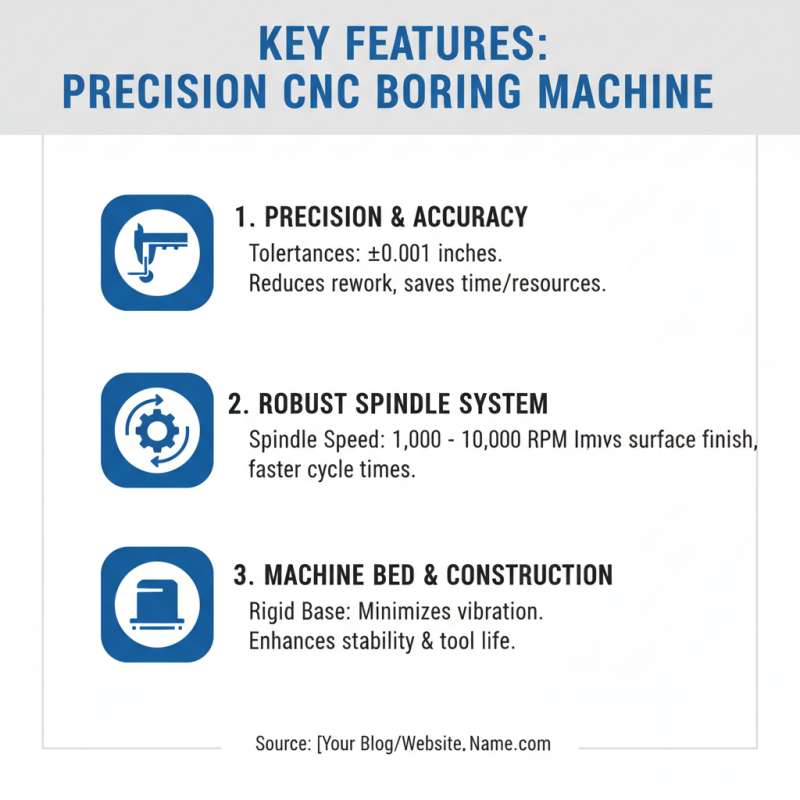
When investing in a precision CNC boring machine, understanding key features is crucial. Precision is paramount. A well-calibrated machine can achieve tolerances of ±0.001 inches. This level of accuracy reduces the need for rework, saving both time and resources. Look for machines with a robust spindle system. Spindle speed options typically range from 1,000 to 10,000 RPM. Higher speeds improve surface finishes and reduce cycle times.

Another significant feature to consider is the control software. Advanced CNC systems offer intuitive interfaces and options for 3D modeling. These enhance productivity and precision. According to industry reports, machines with user-friendly software increase operator efficiency by up to 30%. However, the complexity of some systems can overwhelm less experienced users. It is crucial to ensure proper training and adaptability among staff.

Lastly, consider the machine's build quality and rigidity. A stable, well-built machine minimizes vibrations. This is essential for maintaining dimensional accuracy, especially when working with tougher materials like titanium or stainless steel. A lack of stability can lead to inaccurate holes, causing significant operational challenges. Regular maintenance is necessary to uphold these features over time. It is a continuous journey toward improvement and reliability.

Step-by-Step Setup Guide for Optimal Boring Machine Performance

Understanding how to set up a precision CNC boring machine is crucial. First, ensure your workspace is clean and organized. A clutter-free area boosts efficiency and reduces errors. Next, calibrate your machine. Use precise measuring tools to check the alignment of the spindle and tool holder. Small misalignments can lead to significant issues.

When selecting tools, consider the material you’re working with. Each material may require different cutting speeds and feed rates. Adjust these settings accordingly. Use quality cutting tools to enhance performance. Dull tools can cause overheating and reduce accuracy. Monitor the temperature during operation, as excessive heat can warp components.

Always check your work frequently. Small mistakes can escalate into larger problems. If you notice unusual sounds or vibrations, stop and investigate. Regular maintenance is necessary. This includes lubricating moving parts and checking for wear. Reflect on your previous projects to identify patterns or recurring issues. Continuous improvement is key to mastering CNC boring.

10 Essential Tips for Using a Precision CNC Boring Machine Effectively

Tip Number Tip Description Expected Outcome
1 Ensure proper tool setup and alignment. Increased precision and reduced tool wear.
2 Use the right feed rate and spindle speed. Optimal machining efficiency and finish quality.
3 Regularly check and maintain machine calibration. Consistent accuracy and longer machine lifespan.
4 Select the correct boring tool for the material. Improved material removal rates and surface finish.
5 Implement appropriate coolant usage. Better cooling, reducing tool wear and improving surface finish.
6 Conduct test runs before full production. Identify potential issues and optimize settings.
7 Monitor machine performance and adjust as needed. Ensure sustained productivity and quality control.
8 Train operators on machine functions and safety. Enhanced operator efficiency and workplace safety.
9 Keep the working area clean and organized. Reduced hazards and improved operational flow.
10 Document processes and settings for future reference. Facilitates consistency and knowledge transfer.

Best Practices for Tool Selection and Maintenance

When operating a CNC boring machine, the correct tool selection is crucial. Each material requires specific tools for optimal results. For example, using a high-speed steel bit for aluminum can yield excellent finishes. However, the same tool may not work appropriately for harder materials like titanium. Always consider the material properties and choose tools accordingly.

Regular maintenance is vital for any CNC machine. Check for wear and tear on your tools frequently. Dull tools can lead to poor quality and increased cycle times. Cleaning the machine's components after operation also ensures longevity. Ignoring these simple checks can lead to bigger issues down the line.

Managing tool life effectively maximizes productivity. Track usage and establish a replacement schedule based on observed performance. This can prevent unexpected breakdowns and ensure consistent output quality. A proactive approach to tool management leads to smoother operations and less downtime.

Safety Precautions When Operating CNC Boring Machines

Operating CNC boring machines comes with significant safety responsibilities. In a recent industry report, it was highlighted that 30% of accidents in CNC machining were due to operator error. Proper training is crucial. Operators should undergo comprehensive training programs that focus on safe operation and equipment handling.

Protective gear is essential. Safety goggles, gloves, and ear protection should always be worn. The American National Standards Institute (ANSI) recommends that workers should be aware of their surroundings at all times. This helps reduce the risk of injuries. Regular machine maintenance is another important aspect to ensure safety. A well-maintained machine can prevent failures that could lead to accidents.

Emergency protocols should be established. Operators must know how to react in unexpected situations. A survey indicated that 40% of workers felt unprepared for emergencies. Regular drills and clear communication can improve response times. Moreover, workspace organization plays a role in safety. A cluttered area can lead to accidents and distractions. Regularly auditing the workspace can help highlight potential hazards and improve overall safety standards.