Leave Your Message

10 Essential Tips for Choosing the Right Spindle Motor for Your Project?

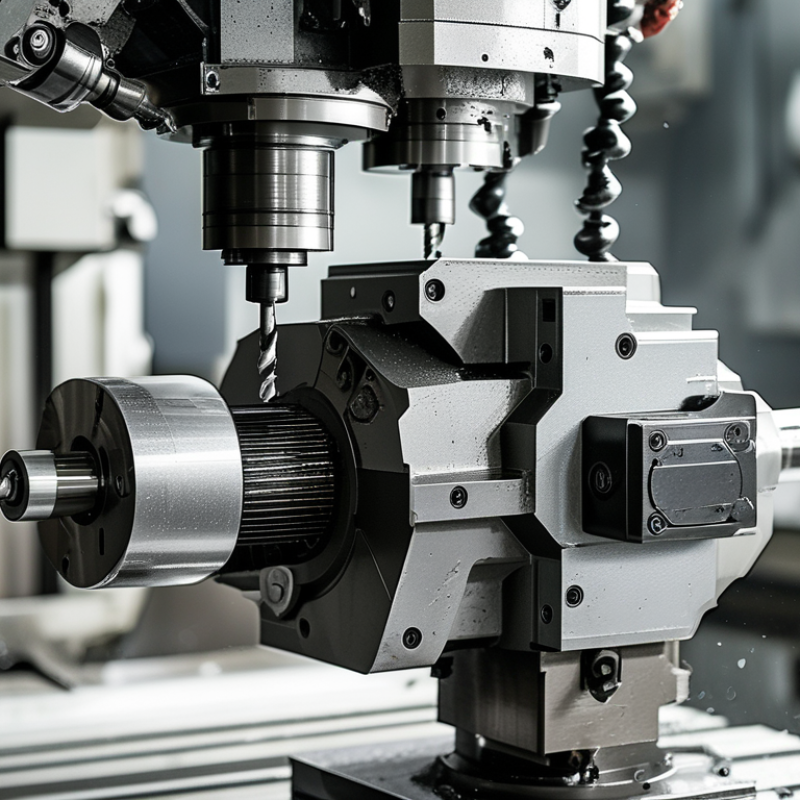
Choosing the right spindle motor is crucial for the success of your project. A spindle motor is the heart of many machining applications. Its performance can significantly affect the overall efficiency and accuracy of your operations.

When selecting a spindle motor, you must consider various factors. The power output, RPM range, and torque characteristics play vital roles in determining suitability. It's essential to match these specifications with your project's requirements. Many projects fail due to a mismatch in motor capabilities.

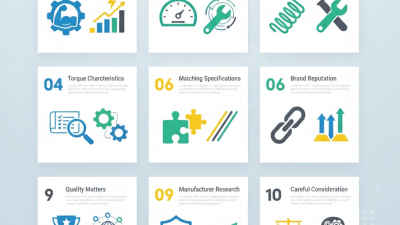
Don't overlook the importance of reliability and brand reputation. Research manufacturers with proven experience in the spindle motor market. Quality matters, and a reliable motor can save time and costs. Be prepared to evaluate different options and reflect on your specific needs. This careful consideration will help ensure you make the best decision.

10 Essential Tips for Choosing the Right Spindle Motor for Your Project?

Understanding the Basics of Spindle Motors

Spindle motors are crucial for various applications, including CNC machining and woodworking. These motors drive precision tools, making your project efficient. Understanding the basics helps you make informed choices. A spindle motor's design affects its performance. Look for the right torque and RPM range that matches your project needs.

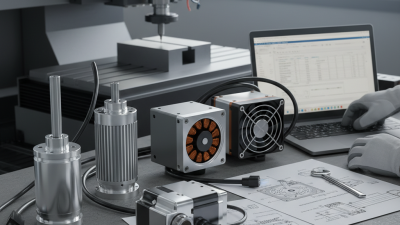
Pay attention to specifications. Power ratings, voltage levels, and cooling methods are key considerations. Some motors require external cooling, while others may have built-in fans. The type of materials you will work with also impacts your choice. Heavy materials demand more power and torque.

Don’t overlook the importance of quality control. Not all spindle motors are created equal. Reading user reviews can provide insights into reliability. However, beware of overly positive feedback. It’s essential to verify claims through multiple sources. Choosing the right spindle motor may take time, and that’s okay. Engage with technical support or communities to gather more information. It will ultimately lead to better decision-making for your project.

Identifying Your Project Requirements and Specifications

When choosing a spindle motor, start by identifying specific project requirements. Consider the desired speed and torque output. Different tasks demand varied performance levels. A high-precision task, like CNC machining, often requires a motor with tight tolerances. Conversely, a less demanding application might not need such precision.

Evaluate the power supply available. Some motors operate on standard AC, while others may require DC. Think about where the motor will be installed. Space limitations and cooling needs may also impact your choice. Remember, a motor that fits well in one setting may not suit another.

Also, examine the weight and mounting options. Heavy motors may not be practical for smaller projects. In contrast, lighter models may lack the power required for more intensive tasks. Reflect on your project goals and constraints. This consideration will help narrow down the options and lead to better performance.

10 Essential Tips for Choosing the Right Spindle Motor for Your Project

Criteria Description Importance
Power Rating Select a motor that matches the power requirements of your applications. High
Torque Consider the torque needed for effective operation and material handling. High
Speed Range Evaluate the necessary speed for your specific processes. Medium
Cooling System Ensure the motor has an adequate cooling system for prolonged use. Medium
Mounting Type Determine if a flange, foot, or direct mount works best for your setup. Medium
Voltage Rating Choose a motor that is compatible with your system's voltage supply. High
Control Type Decide between open-loop and closed-loop control based on precision needs. Medium
Durability Consider the motor's lifespan and resilience to environmental factors. High
Noise Level Assess the acceptable noise levels in your work environment. Low
Cost Balance the budget with required specifications for optimal selection. Medium

Evaluating Power and Speed Ratings for Optimal Performance

10 Essential Tips for Choosing the Right Spindle Motor for Your Project?

When selecting the right spindle motor, power and speed ratings are crucial for optimal performance. These ratings determine how well your motor will meet specific project requirements. According to industry reports, an efficient spindle motor typically operates within a voltage range of 220V to 400V. This ensures a balance between power output and energy consumption. A high torque rating is essential for heavy-duty projects, with many applications requiring at least 1 Nm of torque for effective operation.

Tip: Always consider the specific needs of your application. A standard motor may not deliver the necessary power for intricate tasks. You may require a specialized motor that can sustain higher RPMs while maintaining torque. Many projects have failed simply because the speed rating did not match the mechanical load.

Speed ratings can range from 1,000 to 25,000 RPM, depending on your spindle application. However, choosing a motor solely based on maximum speed is risky. Some motors may overheat if pushed to their limits for prolonged periods. This can lead to premature failures and costly downtime.

Tip: Test your motor under real project conditions before making a final decision. Regular adjustments may be needed to optimize speed and torque balance. Consider feedback from operators who interact with the motor daily, as their insights can uncover unforeseen issues.

Considering Motor Compatibility with Your Equipment

When selecting a spindle motor, compatibility with your equipment is crucial. A motor that doesn't fit well can cause operational issues or even damage. Start by checking the specifications of your current setup. Look closely at power requirements, torque ratings, and RPM ranges. A mismatch can lead to inefficiency or subpar performance.

Understanding the mounting requirements is essential too. Ensure the spindle motor can be securely attached to your equipment. Different mounting configurations, such as flange or shaft-mounted types, may affect the overall stability. Think about the cooling and ventilation needs as well. An incompatible motor might overheat and fail prematurely.

Don't overlook the electrical compatibility. Check voltage ratings and control systems. Different motors require specific control types, and failure to match these can cause erratic behavior. Evaluate the ease of integration with existing systems. Sometimes, a seemingly good match can complicate installation. Look for potential hidden costs that may arise from these issues. Being mindful of these details helps in making a more educated decision.

Motor Compatibility for Spindle Motors

Assessing Cost and Brand Reliability in Your Selection Process

When selecting a spindle motor, cost and brand reliability are critical factors to consider. According to a report from the International Electromechanical Commission, about 70% of projects that fail to meet their objectives lack sufficient evaluation of these aspects. A motor may seem affordable upfront, but maintenance costs and energy consumption can quickly escalate. Therefore, assessing total cost of ownership is crucial before making a decision.

Brand reliability often correlates with performance consistency. Studies from the Electrical Engineering Society indicate that motors from established brands typically have a lower failure rate by up to 40%. However, newer brands may offer innovative features at competitive pricing. Yet, without a proven track record, investing in them can be risky.

Industry insights suggest exploring user reviews and forums. Peer experiences can help highlight hidden strengths and weaknesses. Balancing cost against reliability requires careful consideration. Ignoring this balance may lead to regrettable investments. Always approach this decision with a critical eye.