How to Choose the Right Precision CNC Milling Machine?
Choosing the right precision CNC milling machine is crucial for manufacturers seeking efficiency and accuracy. According to a recent report by Market Research Future, the precision CNC milling machine market is expected to grow significantly, reaching a value of $2.5 billion by 2025. This growth reflects the increasing demand for precision manufacturing across various industries.
Experts emphasize the importance of selecting the right machine for specific needs. Dr. Emily Wong, a leading industry expert, states, "The right precision CNC milling machine can dramatically improve production efficiency." Potential buyers must consider factors such as machine capabilities, production volume, and the types of materials used. However, many businesses overlook essential details, leading to costly mistakes.
Understanding the features and specifications of different models is vital. Many companies focus too narrowly on price, ignoring key performance aspects. After all, investing in the wrong machine can waste resources and time. It’s essential to reflect carefully on manufacturing goals before making a decision. The right choice in a precision CNC milling machine can pave the way for significant advancements in production quality and efficiency.
Understanding CNC Milling: Types and Their Applications
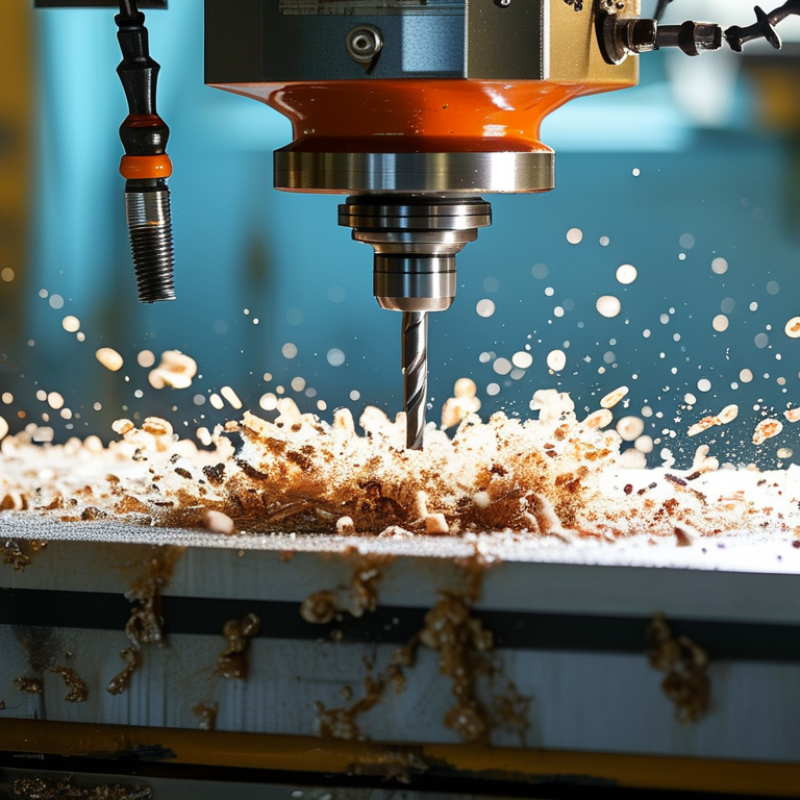
CNC milling involves precise machining of materials using computer-controlled tools. Understanding the types of
CNC milling machines is crucial for selecting the right one. There are
vertical and horizontal mills, each with specific benefits.
Vertical mills are great for intricate designs, while horizontal mills excel
in bulk operations.
Different applications require different machines. For instance, aerospace
components often need high precision. In contrast, simpler projects
may not demand the same accuracy.
Identifying the right type for your task improves efficiency and reduces
errors. While technology has advanced, challenges remain. Some machines may lack the versatility required for
varied projects. It's essential to consider long-term needs, as your business may evolve.
Future-proofing your equipment is wise, even if initial
capabilities seem adequate. Careful consideration ensures that the machine will serve its purpose effectively in
the future.
Key Factors in Selecting Precision CNC Milling Machines
Choosing the right precision CNC milling machine requires careful consideration of various key factors. Manufacturers should evaluate the machine's capabilities, such as its spindle speed and feed rate. For instance, a study by industry experts indicated that over 60% of machining errors arise from inadequate spindle speeds. Thus, matching these specifications to the material type is critical.
Another important factor is the machine's repeatability and accuracy. Precision is essential in CNC milling. Reports show that machines with repeatability within 0.001 mm tend to produce better results. However, not all shops need the highest precision. An analysis of production needs can help in deciding whether you need top-tier accuracy or if a less expensive model suffices.
Additionally, consider the usability of the CNC control software. Interface complexity can significantly impact productivity. A survey revealed that about 40% of operators struggle with complex software systems. Streamlined interfaces can reduce training time and errors. Operators should also reflect on ongoing support and maintenance from suppliers. A good support system is invaluable and can ensure longevity in operations.
Choosing the Right Precision CNC Milling Machine - Key Factors
Assessing Machine Specifications: Speed, Accuracy, and Tolerance
When assessing CNC milling machines, specifications like speed, accuracy, and tolerance stand out. Speed measures how quickly a machine completes each task. A faster machine can boost productivity, but it may compromise accuracy. It's essential to find a balance that fits your specific workload.
Accuracy refers to how closely a machine can replicate a desired measurement. A precise machine minimizes errors, ensuring high-quality work. Check the manufacturer's specifications for accuracy levels. Precision matters in fields like aerospace or medical device manufacturing, where even slight deviations are critical.
Tolerance is the acceptable range of variation in dimensions. Tight tolerances require more advanced machines, which may come at a higher cost. Consider the type of projects you'll handle. Sometimes, seeking perfection can lead to increased production time. Reflect on whether those tight tolerances are genuinely necessary for your work.
Evaluating Brand Reputation and Customer Support in CNC Milling
When selecting a precision CNC milling machine, brand reputation plays a crucial role. A well-respected brand often indicates quality and reliability. Researching online reviews can reveal insights into customer experiences. Pay attention to consistent feedback regarding performance. Look for brands that have a history of innovation and excellence.
Customer support is another important factor. Good support can make or break your experience. Consider how accessible their support services are. Are they available 24/7? Do they provide online resources? Seek out brands known for responsive service. A prompt reply can save you time and frustration when facing issues.
Evaluate warranties and service agreements too. A longer warranty often reflects confidence in the product. Compare service options available post-purchase. Remember, a reliable machine is essential, but so is reliable support. A small error in assessing a brand's commitment to service can lead to bigger problems down the line. Trust your instincts but remain critical in your evaluation.
How to Choose the Right Precision CNC Milling Machine?
| Feature |
Description |
Importance (1-5) |
Notes |
| Brand Reputation |
Consider brands with a long history and positive feedback from users. |
5 |
Check reviews and forums for real user experiences. |
| Customer Support |
Evaluate the availability and responsiveness of customer service. |
5 |
Prioritize suppliers with reliable and helpful support. |
| Machine Specifications |
Assess the precision, speed, and size of the milling machine. |
4 |
Ensure specifications meet your project requirements. |
| Maintenance Requirements |
Understand the upkeep needed for optimal performance. |
4 |
Choose machines with manageable maintenance. |
| Cost |
Compare pricing to ensure it fits within your budget. |
5 |
Look for value rather than just the lowest price. |
Cost vs. Performance: Budgeting for Your CNC Milling Needs
Choosing the right CNC milling machine requires careful budgeting. Balancing cost with performance is crucial for successful machining. Many shop owners face dilemmas about this balance. A high-quality machine can be an investment, but it comes with a price tag.
When analyzing costs, consider not just the initial purchase but also the long-term expenses. Maintenance, tooling, and energy consumption all affect your budget. Sometimes cheaper machines lead to higher costs over time. In contrast, investing in a reliable machine can result in fewer breakdowns and less downtime.
Reflecting on performance is equally important. A machine that meets all specifications may still be unsuitable for your unique tasks. Your shop's specific production needs should guide your purchase decisions. It’s essential to challenge assumptions about what constitutes value. Sometimes, a modest machine offers better adaptability than a high-end model.
 +86 13630122007

 CONTACT YIYAN
 CONTACT YIYAN