What is the Best Precision CNC Boring Machine for Your Needs?
Choosing the right Precision CNC Boring Machine is crucial for various manufacturing needs. These machines play a vital role in delivering accurate machining solutions. Whether you are working on aerospace components or automotive parts, the right boring machine can greatly enhance quality and efficiency.
When selecting a machine, consider your specific requirements. Factors like size, material, and spindle speed can influence your decision. Additionally, think about the level of automation you need. Some machines offer advanced features that can save time and reduce errors. However, these might also come with increased complexity.
It's essential to reflect on your long-term goals. A more advanced Precision CNC Boring Machine may seem appealing but could lead to steep learning curves. Assess your team's expertise and training needs. Investing in a machine that aligns with your current skills can be more beneficial than one that overwhelms the operators. This balance between technology and usability is key to a successful machining operation.
Understanding CNC Boring Machines: Types and Applications
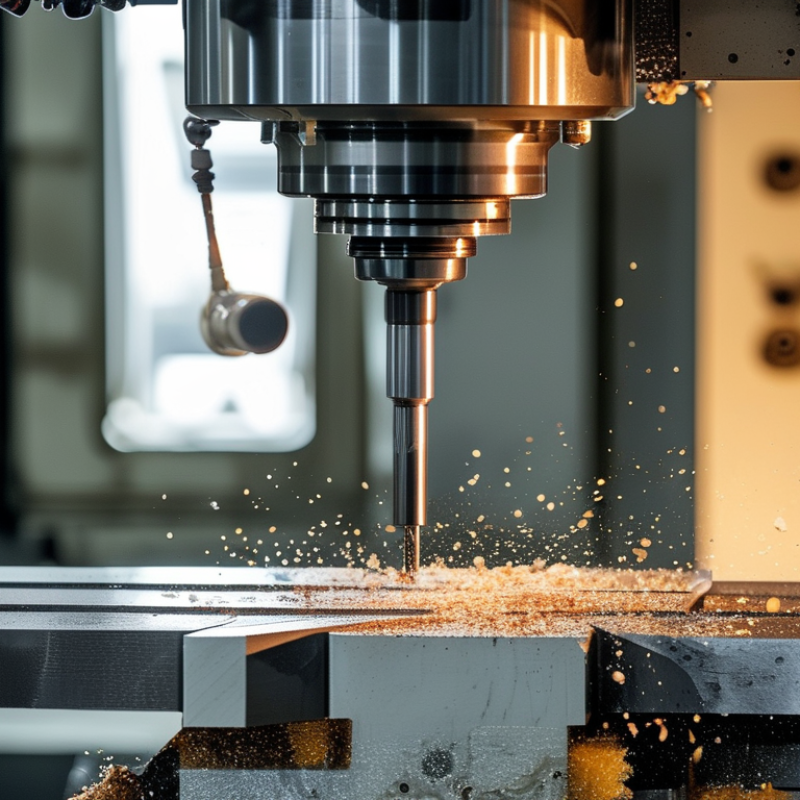
CNC boring machines have become essential in various manufacturing processes. These machines excel at creating precise holes and internal features in different materials. Understanding the types of CNC boring machines available is key to choosing the right one for your needs. Common types include vertical, horizontal, and multi-spindle models. Each type serves distinct applications, from heavy-duty machining to more intricate work.
Vertical CNC boring machines are ideal for large workpieces. They allow for downward cutting, which leads to better material removal. Horizontal machines, on the other hand, are suitable for more extensive setups. They provide better support for heavy parts while processing them. Multi-spindle machines can enhance productivity by reducing cycle times. Each type has its limitations, so it is crucial to consider your project requirements carefully.
Selecting the correct boring machine involves assessing your specific applications. Factors like material type, hole size, and precision requirements should guide your choice. While many machines offer advanced features, not all are necessary for every task. Understanding these nuances can help avoid costly mistakes in your machinery investment. Have a clear plan, and don’t overlook the importance of consulting with experienced professionals. Their insights can provide invaluable guidance in making the best decision.
Key Features to Consider When Choosing a CNC Boring Machine
Choosing the right CNC boring machine can significantly impact production efficiency. Key features to consider include spindle speed, feed rate, and precision. According to industry data, machines with a spindle speed of 6000 RPM or higher can enhance productivity in many applications.
Higher spindle speeds allow for quicker material removal and improved overall output.
Precision is paramount in CNC boring. A machine with a positional accuracy of ±0.005 mm can drastically reduce rework and scrap rates. Research indicates that investment in precise machinery can lead to a 30% reduction in these costs. However, a higher price tag comes with such technology, which demands careful budgeting and project planning.
The size of the machine is also a critical factor. Machines that can accommodate larger workpieces offer versatility but may require more floor space. Not all shops have this luxury, and balancing size with capability is essential. The decision should reflect not only current needs but also potential future projects. Reflection on these features will guide you to a suitable CNC boring solution tailored to your operation’s demands.
Evaluating Precision: Accuracy and Tolerance in Boring Machines
When evaluating CNC boring machines, precision is key. Accuracy and tolerance directly impact the quality of finished products. Reports indicate that even a slight deviation can lead to significant issues in manufacturing. Understanding these metrics is crucial for selecting the right machine.
A study from an industry analysis firm noted that tolerances of ±0.002 inches are standard for high-precision parts. However, many manufacturers still struggle to achieve consistent results. Factors like machine setup and tool wear can contribute to discrepancies. Each shift in tolerance affects production timelines and costs. Proper calibration and routine maintenance can mitigate these challenges, but not all shops prioritize these practices.
User experiences often highlight frustration with variability. Some operators report excessive time spent on adjustments. This reflects the need for education on best practices in setup and operation. Ultimately, evaluating precision is not just about machine specs—it's about understanding how to use them effectively within your operational environment.
What is the Best Precision CNC Boring Machine for Your Needs?
| Machine Type |
Precision Level (mm) |
Tolerance (%) |
Spindle Speed (RPM) |
Price Range ($) |
| Vertical CNC Boring Machine |
0.01 |
0.005 |
5000 |
15,000 - 25,000 |
| Horizontal CNC Boring Machine |
0.02 |
0.01 |
4000 |
20,000 - 30,000 |
| CNC Boring Mill |
0.005 |
0.002 |
6000 |
30,000 - 50,000 |
| Deep Hole Boring Machine |
0.03 |
0.015 |
3500 |
25,000 - 40,000 |
Top Brands and Models of Precision CNC Boring Machines
When searching for the best precision CNC boring machine, various factors come into play. Notably, the accuracy and capabilities of different models shape decisions. Industry reports indicate that machines designed with high-speed spindle technology typically deliver better results. For example, systems achieving better than ±0.005 mm tolerances are preferable for highly precise applications.
Leading brands often focus on machine rigidity and tool stability. Studies show that machines with rigid frames and minimal vibration enhance accuracy. Not all models excel in these areas, and users must critically evaluate specifications to avoid potential pitfalls. Some machines may present a capability gap under heavy usage.
User reviews frequently highlight the importance of ease of use and maintenance. Complex interfaces and maintenance challenges can deter productivity. Even models with high specs can fall short in real-world environments if they're difficult to operate or require excessive upkeep. The market offers a range of choices, but diligent research is critical to find a perfect balance for your operational needs.
Comparison of Precision CNC Boring Machine Attributes
Cost Considerations: Budgeting for Your Boring Machine Purchase
When considering a CNC boring machine, budgeting is a critical step. The cost can vary widely based on features, precision, and brand. Entry-level machines might start around $5,000, while high-end models can exceed $100,000. It's vital to define your needs before setting a budget. What level of precision do you require? Are there specific materials you will work with? Answering these questions helps narrow down your options.
Maintenance costs can be a hidden factor. Regular servicing is necessary for optimal performance. This expense should be factored into your initial budget. Additional costs might include setup, training, and tooling. Upfront savings can lead to long-term issues. Investing in a higher quality machine may save money in repairs down the line.
Take time to research different options. User reviews can provide insights into potential pitfalls. Consulting industry experts can help clarify features that matter most for your operations. A well-planned budget reflects not only immediate costs but also future needs. Balance your desires with practical spending to avoid financial strain later.
 +86 13630122007

 CONTACT YIYAN
 CONTACT YIYAN