2026 Best Cutting Tool Options for Global Buyers?
The cutting tool industry is evolving rapidly. As global buyers seek the best options for their needs in 2026, understanding the market is vital. Cutting tools play a crucial role in manufacturing and fabrication processes. Different materials and designs lead to varied performance levels.
In this competitive landscape, selecting the right cutting tool can be challenging. Buyers must consider factors like durability, precision, and the application. Not every tool suits every task, and that's where experience matters. Feedback from users highlights the importance of adaptability in cutting tools.
Some brands excel while others fall short. Buyers should reflect on their own needs. The ideal cutting tool balances quality and cost. As the market grows, staying informed will be key to making wise investments. Understanding trends can guide buyers in making better decisions.
Overview of Cutting Tool Types Available in 2026
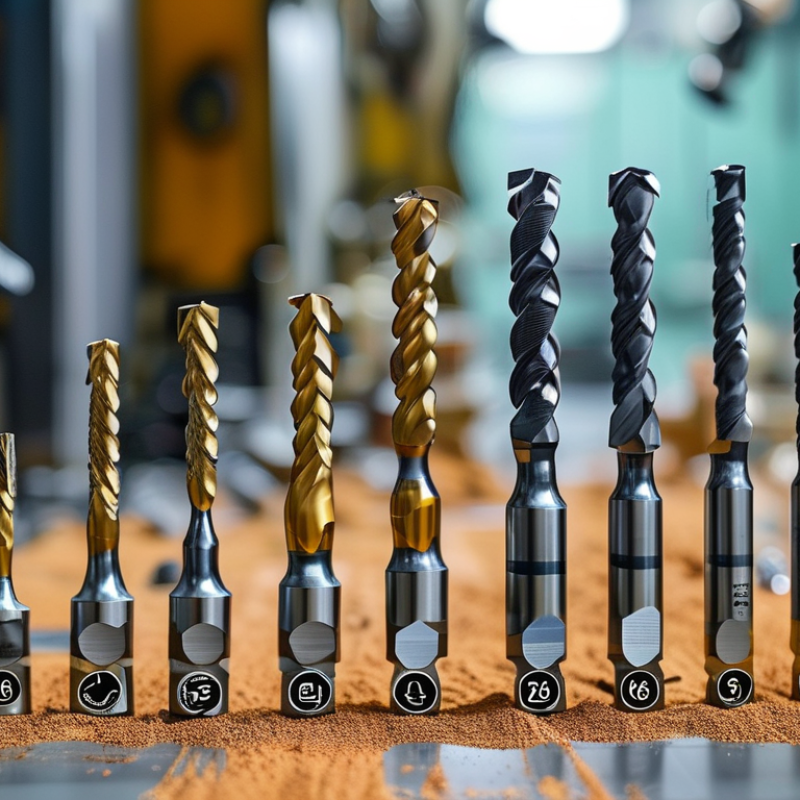
In 2026, the cutting tool market offers many options to global buyers. Each type serves unique purposes, making selection crucial. Tools range from high-speed steel to carbide and ceramic materials. Each type brings specific advantages for various applications.
High-speed steel tools are versatile and cost-effective, suitable for general machining tasks.
Carbide tools excel with hardness and wear resistance. They are ideal for high-speed operations. However, they can be brittle, leading to breakage if misused. This requires careful consideration when selecting them for specific tasks.
Ceramic tools are another alternative, offering excellent thermal stability. They are best for hard materials but may prove challenging in fragile applications.
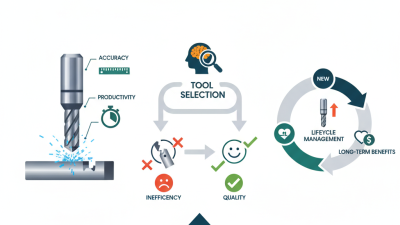
Buyers must evaluate their needs deeply. Choosing the right tool impacts efficiency and quality. Some buyers may overlook the importance of proper tool selection, leading to
suboptimal results. Improper choices can also increase costs and waste. Reflection on specific requirements is vital before making decisions. Understanding the nuances of each type strengthens the buying process.
Key Factors to Consider When Selecting Cutting Tools
When selecting cutting tools, several key factors come into play. Buyers must consider the material they will be cutting. Different materials—metals, plastics, or composites—require specific tool designs. Tool geometry impacts performance. Angles, edges, and coatings significantly affect effectiveness. Understanding these attributes helps in making informed choices.
Durability is another essential factor. Quality cutting tools withstand wear and tear. They offer better precision and consistency over time. Buyers should also assess the tool's compatibility with existing machinery. A well-matched tool enhances overall operational efficiency. Ignoring this can lead to increased downtime and costs.
Lastly, price is a crucial consideration. However, a lower price does not always mean better value. Investing in high-quality tools can yield long-term benefits. Evaluate the total cost of ownership rather than just the initial price. This approach ensures that the selected tools are reliable and effective for their intended applications. Reflecting on these factors can lead to more sustainable purchasing decisions.
2026 Best Cutting Tool Options for Global Buyers - Key Factors to Consider When Selecting Cutting Tools
| Tool Type |
Material |
Coating |
Application |
Cost Range (USD) |
| End Mill |
Carbide |
TiN (Titanium Nitride) |
Milling |
$10 - $100 |
| Drill Bit |
High-Speed Steel |
Cobalt |
Drilling |
$2 - $50 |
| Turning Tool |
Ceramic |
Alumina |
Turning |
$15 - $150 |
| Saw Blade |
Steel |
Diamond |
Cutting |
$25 - $300 |
| Reamer |
HSS |
TiAlN (Titanium Aluminum Nitride) |
Boring |
$20 - $250 |
Top Cutting Tool Brands for Global Buyers in 2026
As global markets expand, selecting the right cutting tools becomes vital for many manufacturers. Recognizing various brands in 2026 will help buyers make informed choices. Effective cutting tools enhance precision and efficiency in production. They can significantly reduce costs and increase output quality.
Leading brands are known for their innovative designs and advanced materials. These tools should adapt to different machining tasks. It's crucial for users to consider longevity, performance, and customer support when choosing a brand. Reviews and testimonials from industry experts can guide buyers toward reliable options. However, assessing the right tool can be challenging. Each material and application may require a specific tool type.
Understanding trends is essential. The emergence of sustainable materials influences tool design and usage. Some manufacturers prioritize eco-friendly options. However, it’s essential to examine actual performance rather than just branding. Reflecting on user experiences can offer valuable insights. Buyers must remain vigilant about evolving technologies. Each decision impacts overall productivity and cost-effectiveness.
Emerging Technologies Impacting Cutting Tool Efficiency
Emerging technologies are reshaping the landscape of cutting tool efficiency. Data from the latest industry reports indicate that advanced materials like high-speed steel continue to lose ground to carbide and ceramic tools due to their improved durability. According to a report by Industry Research, cutting tool technology will see a 9% growth annually through 2026. This surge emphasizes the importance of adopting technologies like machine learning and automation in manufacturing settings.
Tips: Regularly assess your cutting tool inventory. Staying updated ensures you use the most efficient tools available.
New advancements are also changing how we view machining processes. For instance, additive manufacturing techniques allow for the production of custom cutting tools that enhance precision. As per a Statista report, these innovations can boost productivity by up to 30%.
Tips: Experiment with different materials. Finding the right mix can lead to significant improvements in performance.
However, it’s essential to recognize the challenges. Not all new technologies yield immediate benefits. Some may require a period of adaptation that could impact productivity. Identifying the right technology for your needs can take time and trial.
Tips: Keep track of performance metrics. It’s crucial for data-driven decisions in tool selection.
Sustainability Trends in Cutting Tool Manufacturing and Use
Sustainability is becoming essential in cutting tool manufacturing. Many buyers seek tools made from eco-friendly materials. These tools must not only perform well but also reduce their environmental footprint. The trend highlights the importance of a life cycle approach, considering the entire lifespan from production to disposal.
Tips: Look for tools with certifications in sustainable practices. This ensures materials are sourced responsibly. Also, consider recycling options available for used tools to minimize waste.
Manufacturers are exploring innovative techniques to enhance sustainability. Additive manufacturing, for example, allows for less waste during production. However, the industry still grapples with challenges. Not all sustainable options meet the rigorous performance standards required for various applications. There’s a constant need for improvement and adaptation.
Tips: Engage in communication with suppliers about their sustainability practices. Transparency can help buyers make informed choices. Be open to experimenting with different tools to find the best balance between performance and eco-friendliness.
 +86 13630122007

 CONTACT YIYAN
 CONTACT YIYAN