
 +86 13630122007


Products News
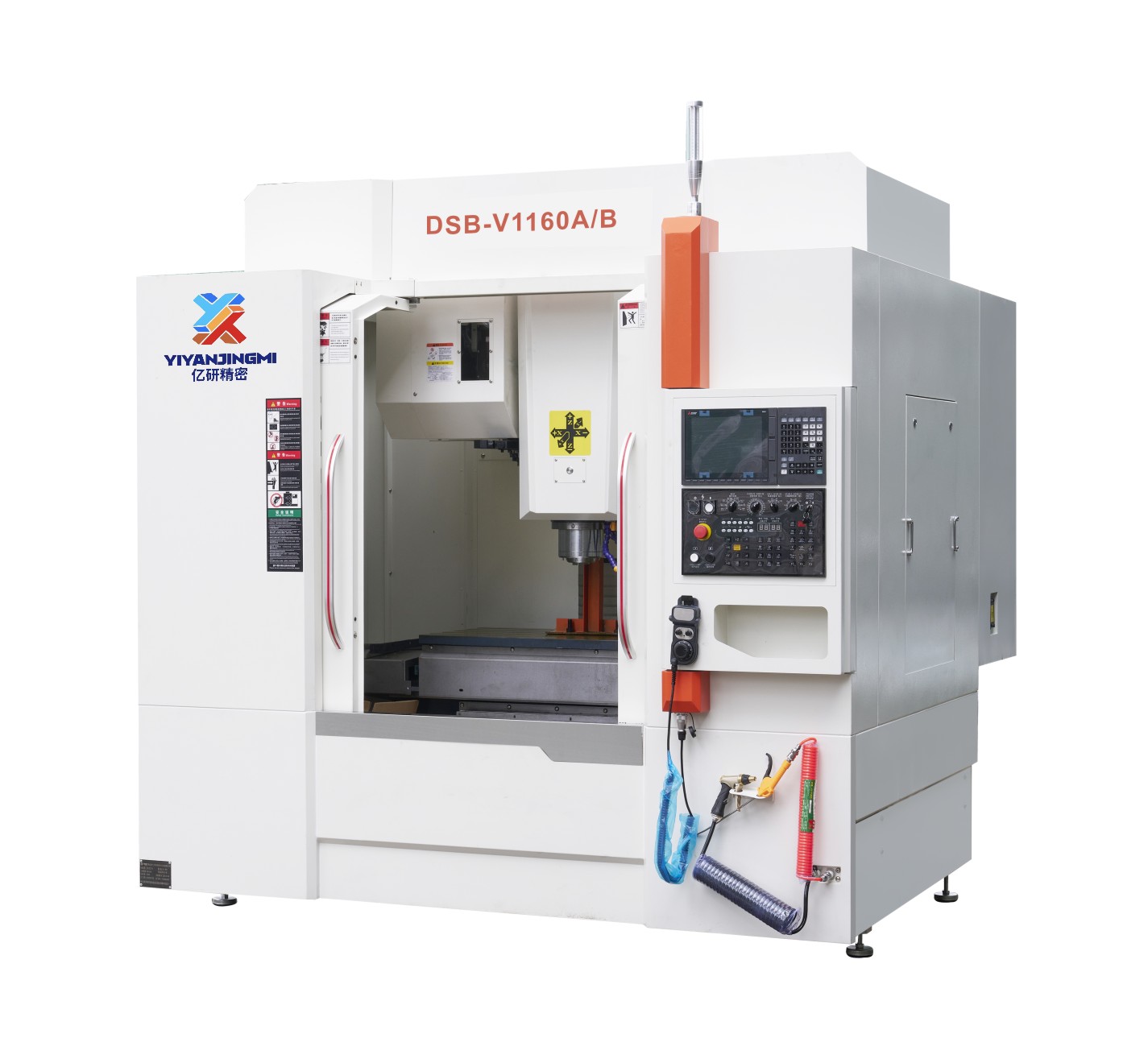
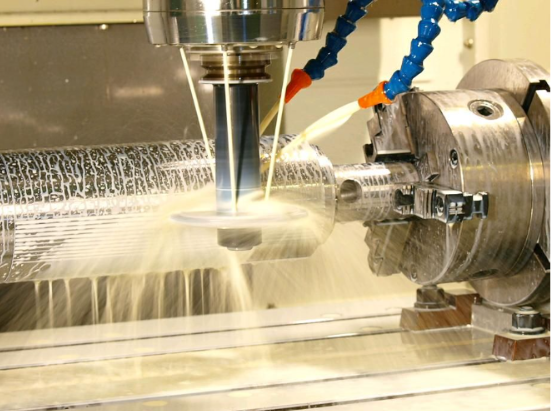
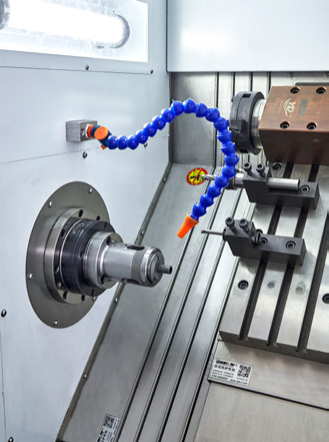
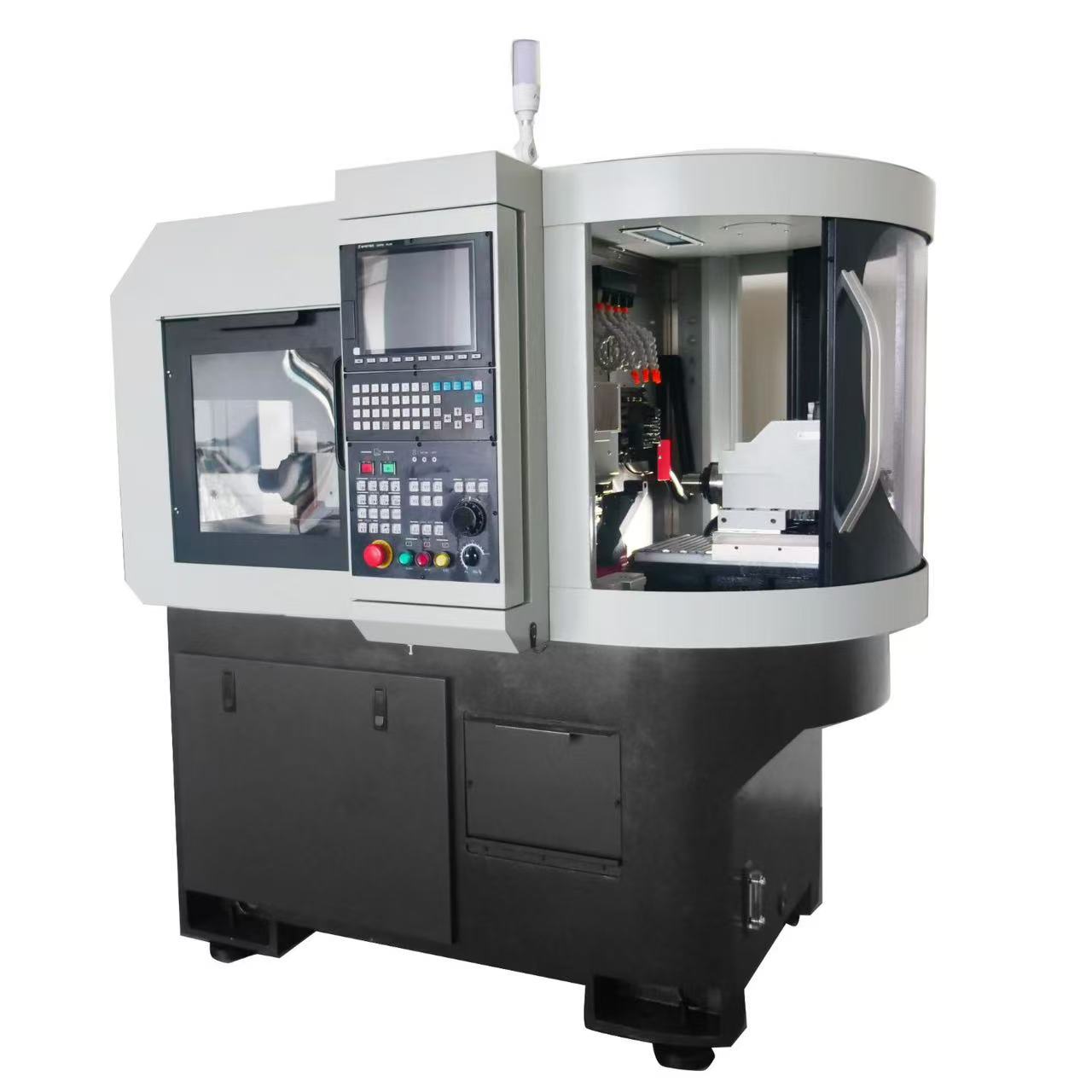
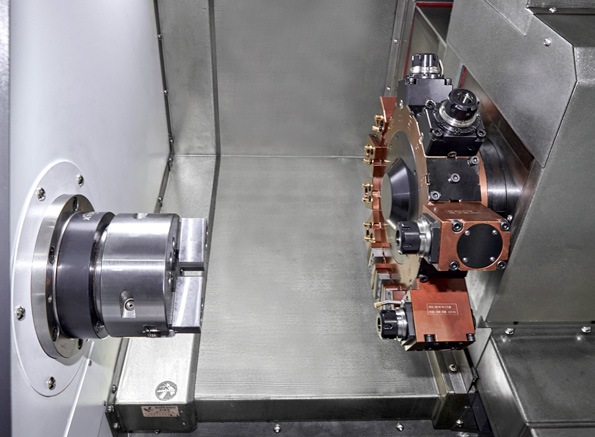
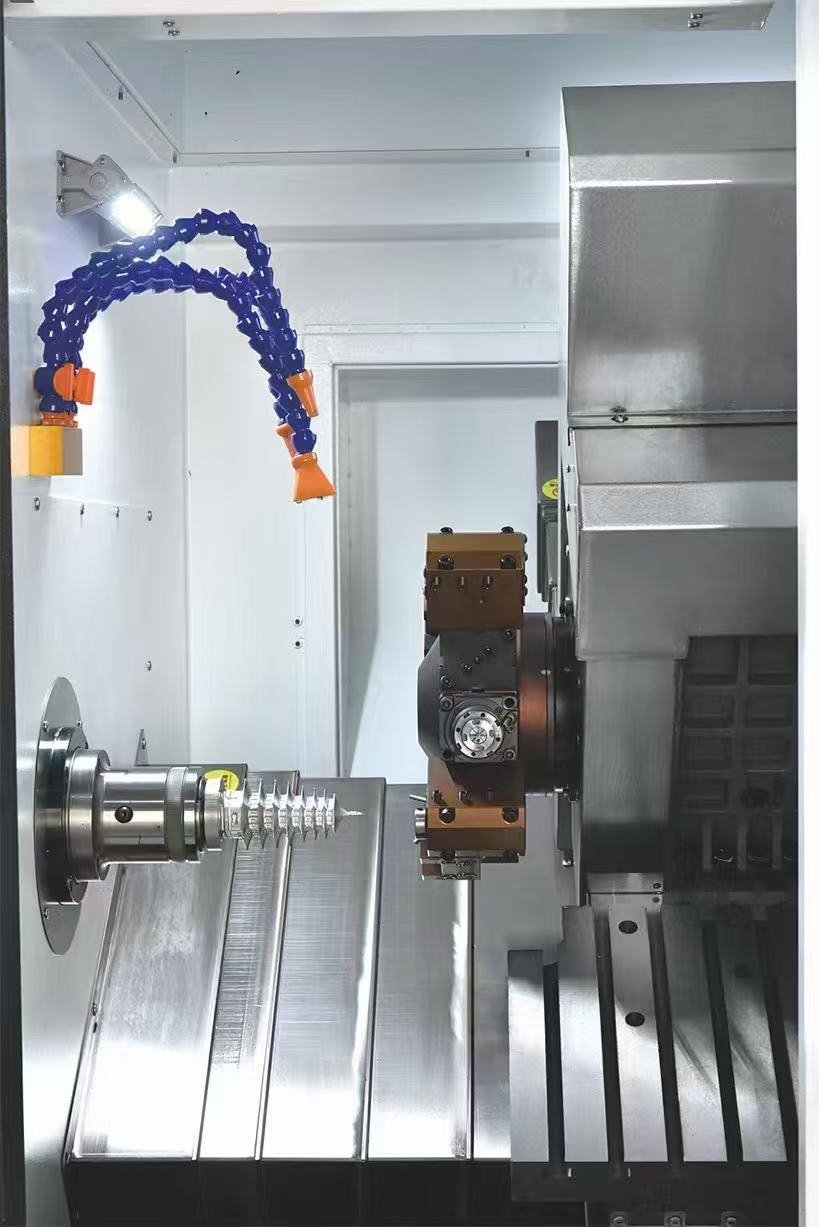
Discover the Materials CNC Lathes Can Process Efficiently
2025-11-25
I. Core Processable Material Types
1. Metal Materials (Mainstream Applications)
Ferrous metals: Carbon steel, alloy steel, stainless steel, cast iron (e.g., gray cast iron, ductile iron), commonly used for mechanical structural parts and shafts.
Non-ferrous metals: Aluminum and aluminum alloys, copper and copper alloys, magnesium alloys, titanium alloys, suitable for lightweight and precision components.
Special metals: Superalloys, mold steel, tool steel, requiring carbide or coated tools for high-end equipment parts.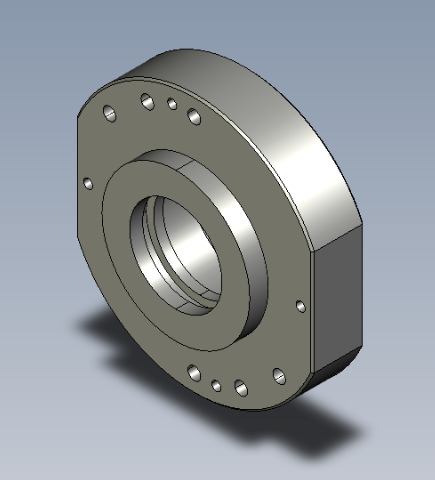
2.Non-Metal Materials (Auxiliary Applications)
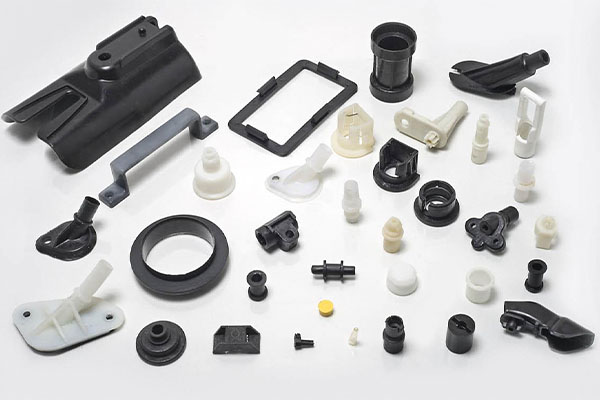
Engineering plastics: Nylon, PTFE, PC, applicable for low-strength and corrosion-resistant parts.
Others: Wood, acrylic, composite materials, requiring adjusted speed and feed rate to avoid deformation or cracking.
II. Key Factors Affecting Material Processing
Machine rigidity: High-rigidity machines are needed for processing high-strength metals (e.g., mold steel, titanium alloy) to avoid vibration-induced precision loss.
Tool selection: HSS tools for ordinary metals, carbide/diamond-coated tools for hard metals, and special tools for non-metals.
Process parameters: Different materials correspond to specific speed, feed rate and cutting depth. For example, stainless steel requires low speed and high feed, while aluminum alloy can be processed at high speed.
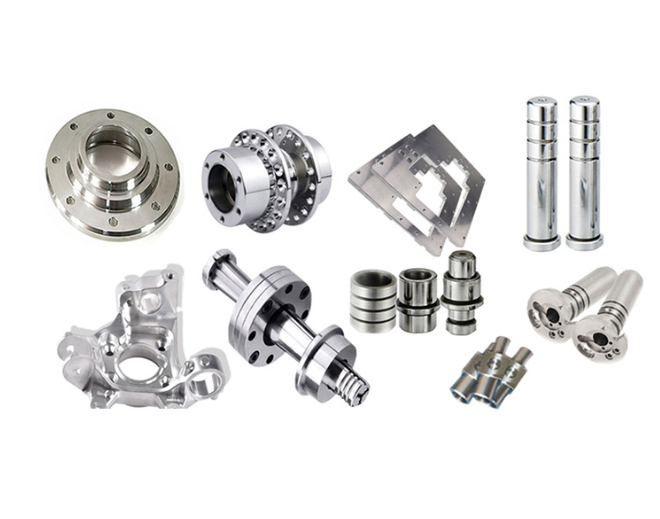
III. Typical Processed Part Examples
Shafts: Motor shafts, transmission shafts, stepped shafts.
Sleeves: Bearing sleeves, bushings, cylinder liners.
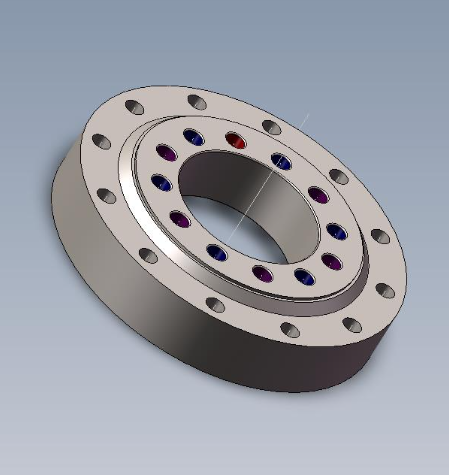
Discs: Flanges, gear blanks, gaskets.
Special shapes: Threaded parts (bolts, nuts), cones, arc-surface parts.