
 +86 13630122007


Products News
Choosing the Right CNC Machine Tool: A Comprehensive Guide
2025-11-19
The core of selecting the right CNC machine tool lies in accurately matching the machine type, key performance and production scenarios based on the material, precision, structure and batch of the workpiece, avoiding functional redundancy or insufficient capacity.
1. First Clarify the Core Parameters of the Workpiece (Selection Basis)
Material and Hardness: High-hardness metals (such as die steel) require high-rigidity machine tools + high-torque spindles; soft metals like aluminum alloy can use machine tools with high-speed spindles; brittle and hard materials (such as ceramics) need low-speed and stable processing.
Precision Requirements: For precision workpieces with a tolerance of ±0.005mm or less, select high-precision machine tools with positioning accuracy ≤0.003mm; for ordinary workpieces, the precision standard can be reduced to control costs.
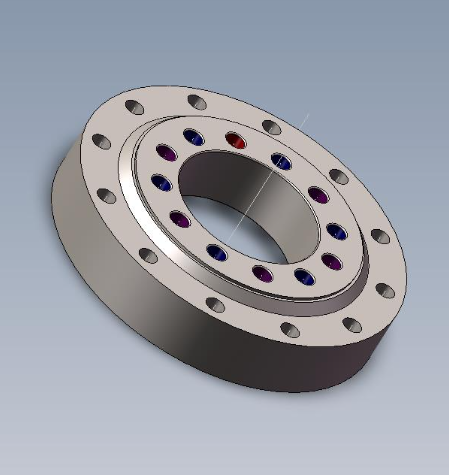
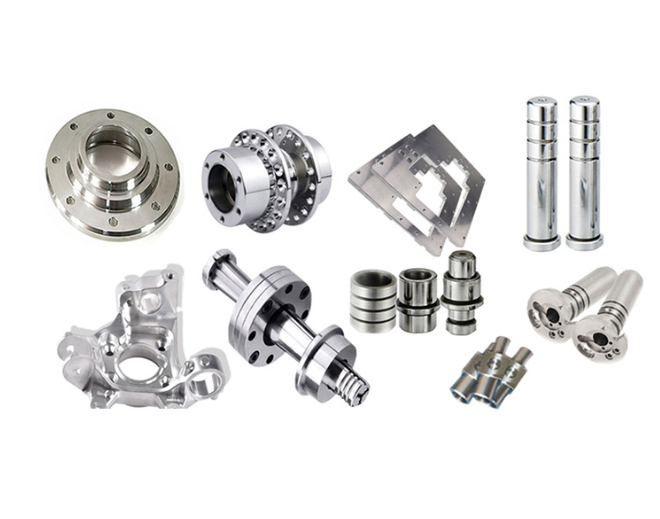
Structure and Size: Choose CNC lathes for shaft/disc parts and 5-axis machining centers for complex curved workpieces; the machine tool stroke should be 50-100mm larger than the maximum size of the workpiece to reserve clamping and tool space.
Production Batch: For small-batch and multi-variety production, select flexible machine tools with Tool Magazines; for mass production, automated devices (robotic arms, loading and unloading machines) can be matched.
2. Match Machine Tool Types According to Processing Needs (Core Link)
| Processing Scenarios | Recommended CNC Machine Tool Type | Core Advantages |
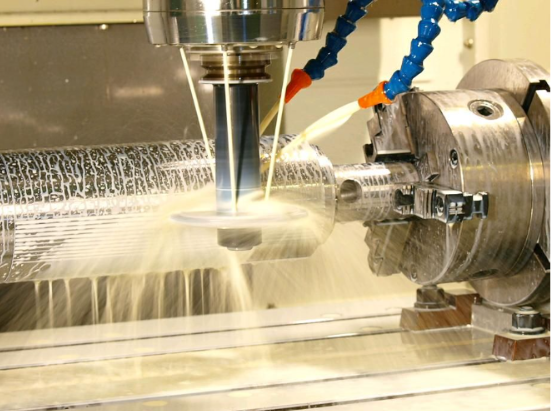
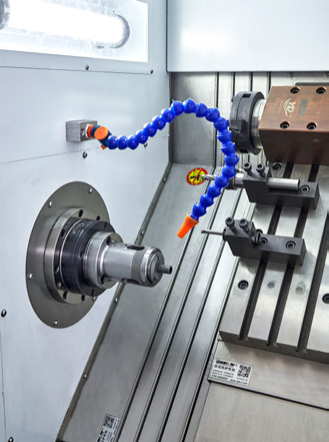
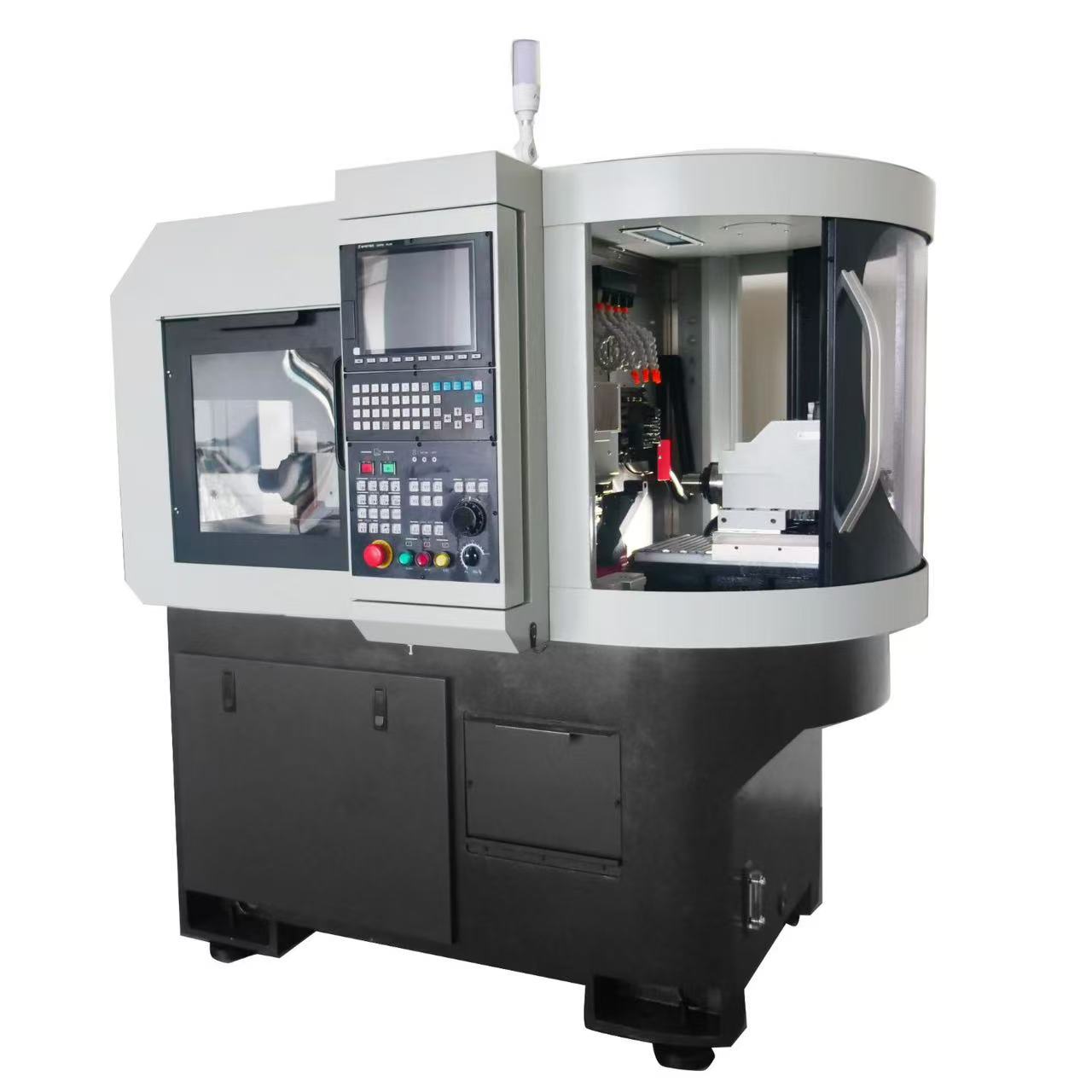
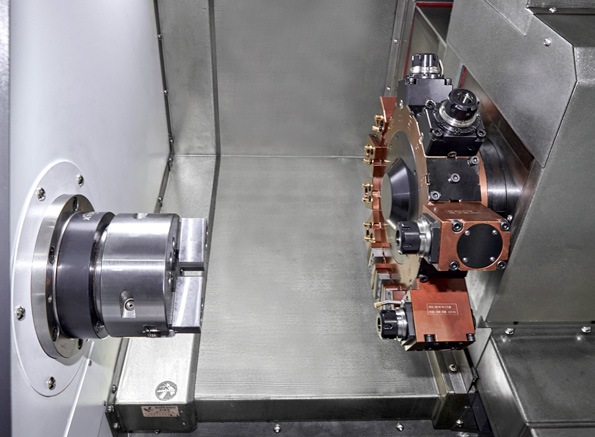
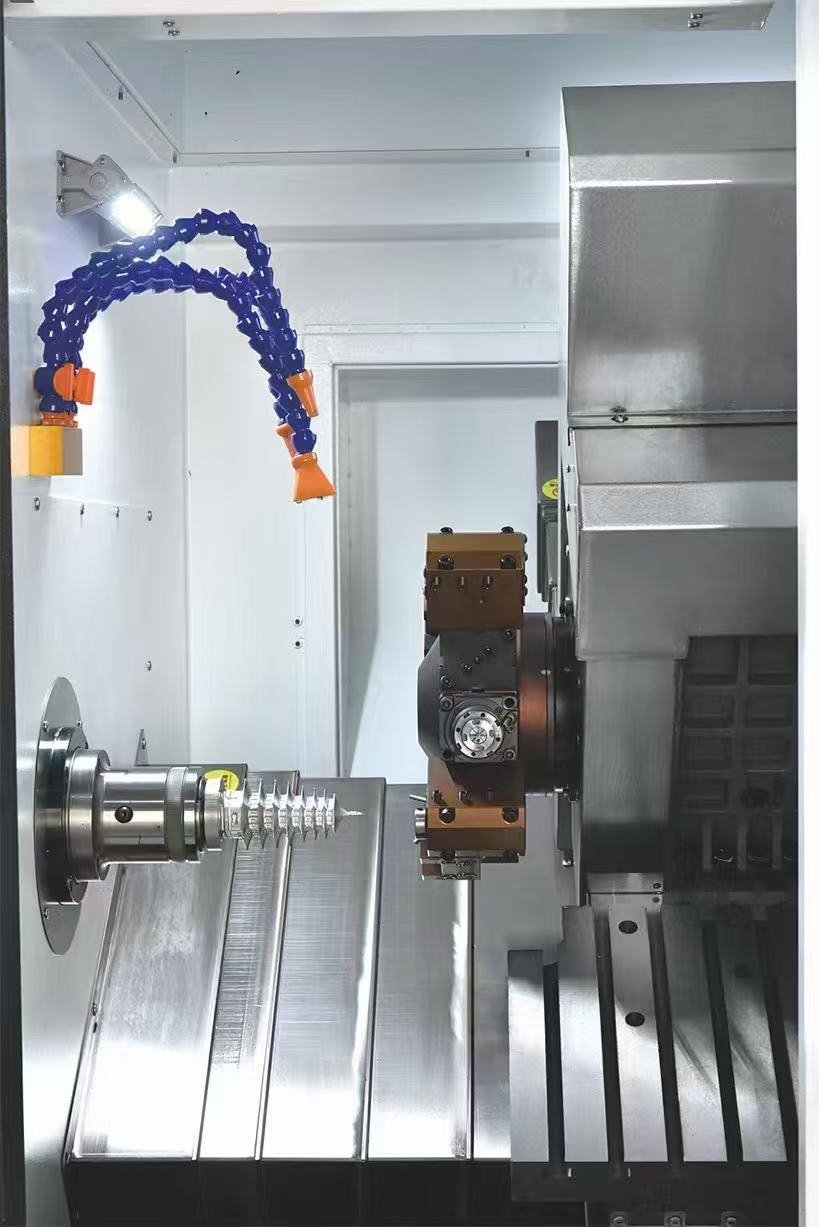
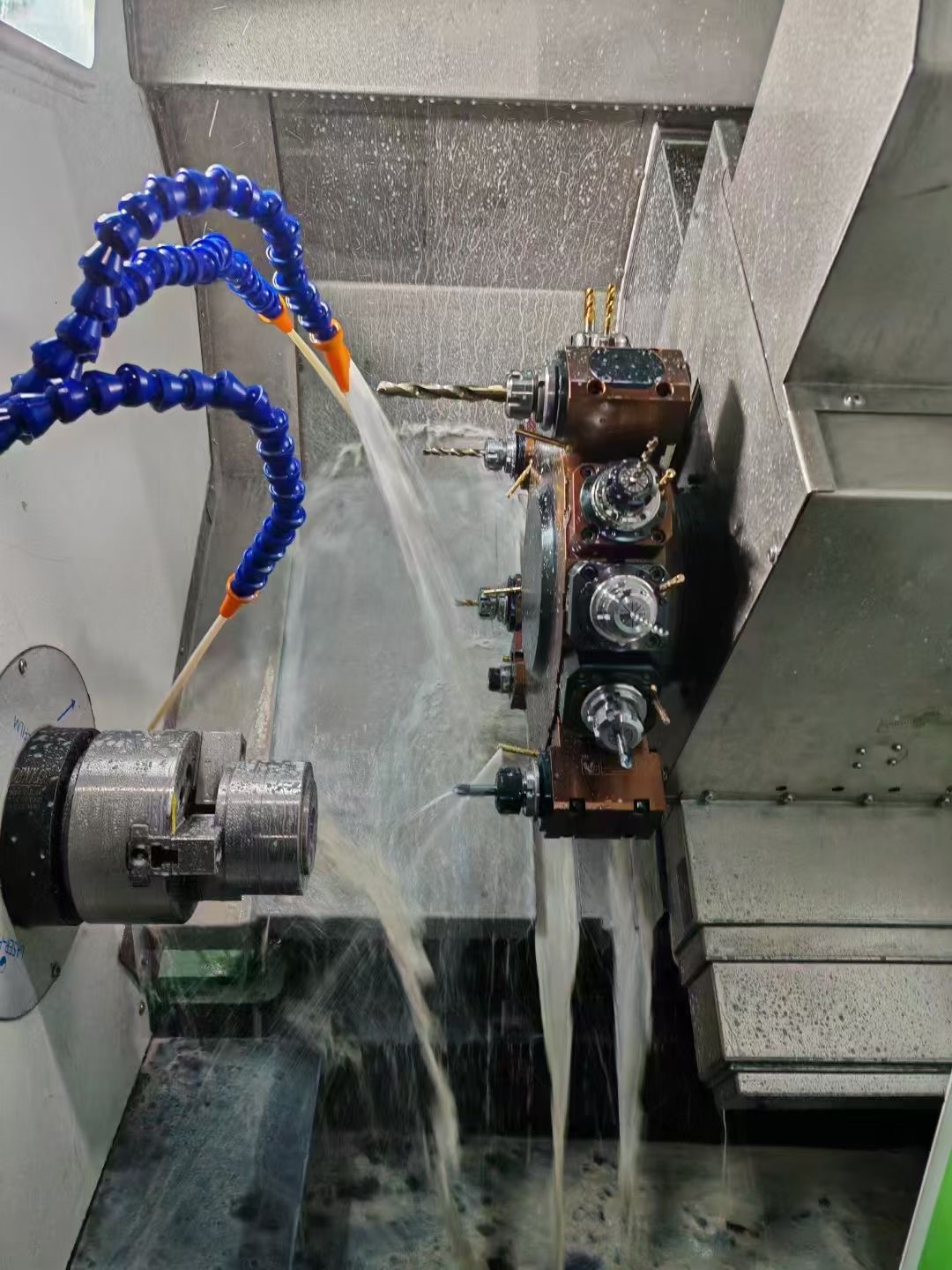
| Shaft/disc rotating parts(turning) | CNC lathe/turn-mill compound center | High-speed turning,capable of integrating compound processes,such as milling |
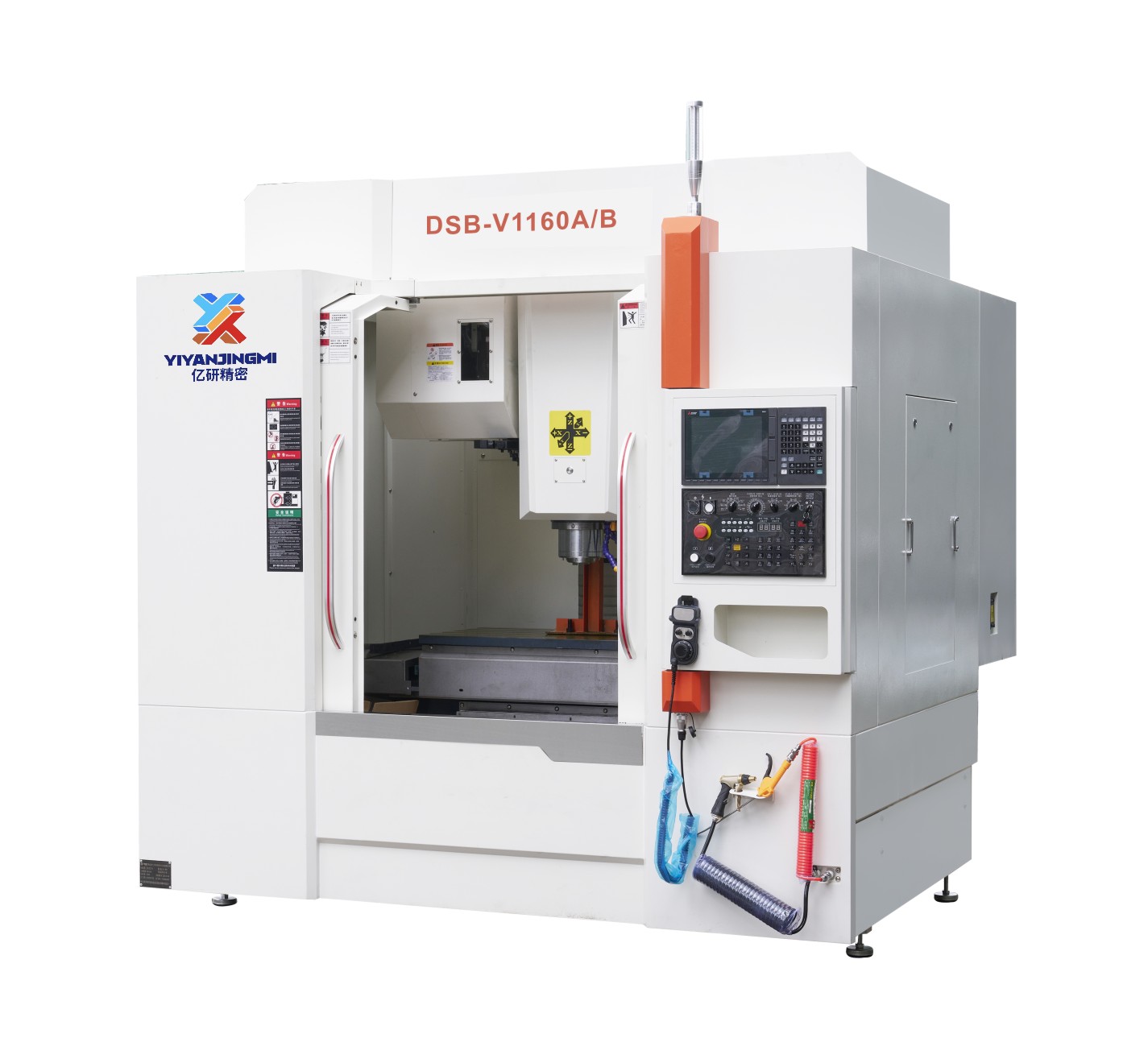
| Non-rotating parts(milling,drilling,boring) | Vertical/horizontal machining center | Muti-process automatic processing,with tool magazine for efficient tool change |
| Complex curved/irregular parts | 5-axis machining center | Muti-axis linkage,full-range processing with one-time clamping |
| Mass-produced small precision parts | High-speed machining center | Fast traverse speed and high processing efficiency |
| High-hardness precision parts(grinding) | CNC grinder | Suitable for hard materials,precision up to 0.0005mm |
3. Focus on Verifying Key Machine Tool Performances (Key to Avoid Pitfalls)
Spindle System: Select Electric Spindles (speed ≥10000rpm) for high-speed processing and servo spindles (torque ≥50N·m) for heavy cutting; the radial runout of the spindle should be ≤0.005mm (precision grade).
Feed and Guide Rail: Choose Linear Guides (fast speed, high precision) for precision processing and hard rails (strong rigidity, large load-bearing capacity) for heavy cutting; prioritize ball screws to reduce transmission clearance.
Control System: For beginners, choose FANUC or Siemens (user-friendly operation, strong stability); for cost-sensitive users, domestic systems such as Huazhong and Guangshu can be selected.
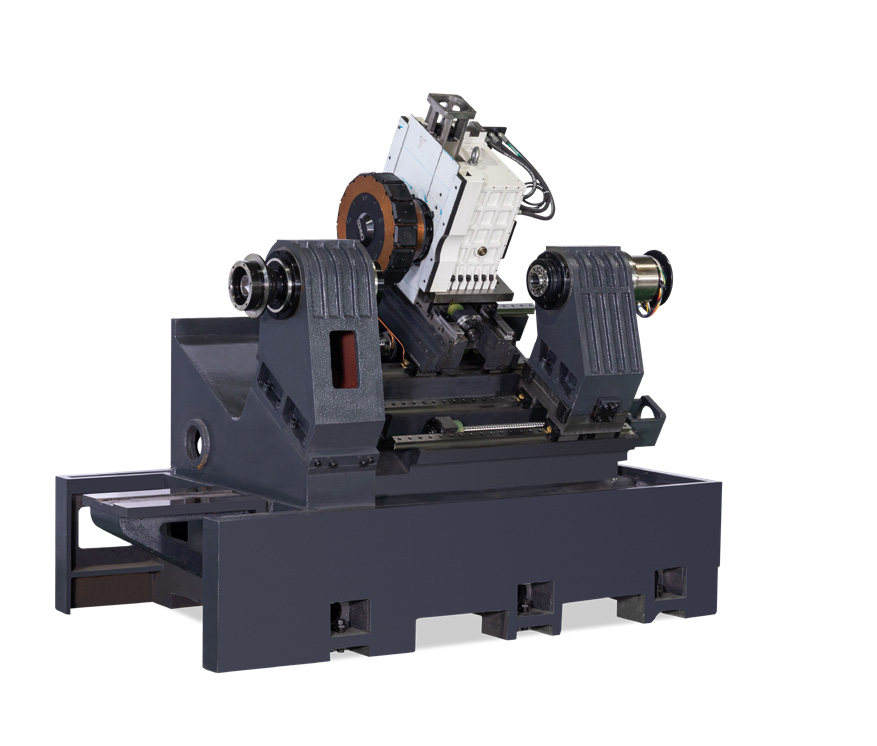
Rigidity and Stability: For large-part processing, the machine tool bed should be heavy (cast iron or welded steel structure) with high guide rail precision to avoid precision impact caused by cutting vibration.
4. Optimize Selection Based on Production Scenarios
Cost Budget: For precision processing, prioritize imported or high-end domestic machine tools; for ordinary processing, economical equipment can be selected; for used equipment, check the precision loss.
Operation and Maintenance: Small and medium-sized enterprises should prioritize models with simple operation and perfect after-sales service to avoid equipment idleness due to technical thresholds.
Subsequent Expandability: Reserve automated interfaces (such as robotic arm installation positions) to facilitate upgrades during subsequent mass production.