
 +86 13630122007


Products News
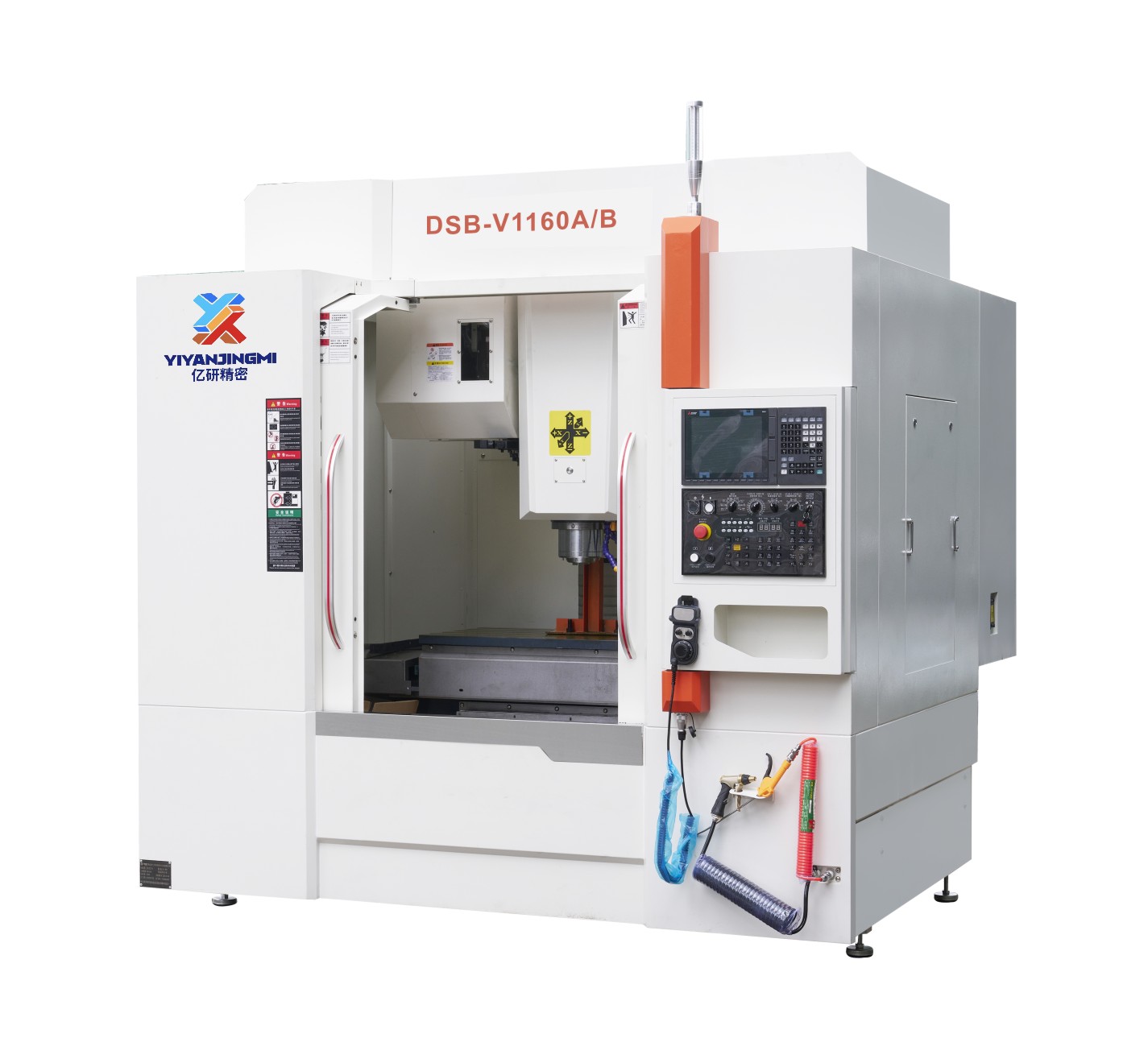
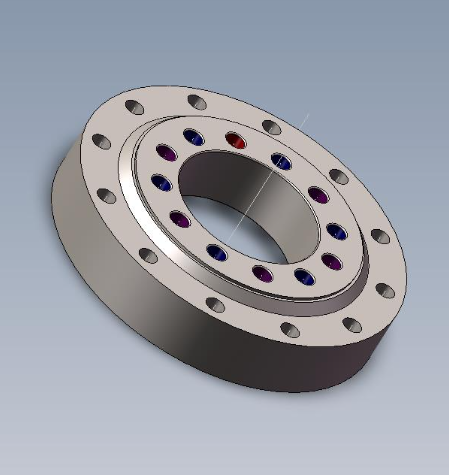
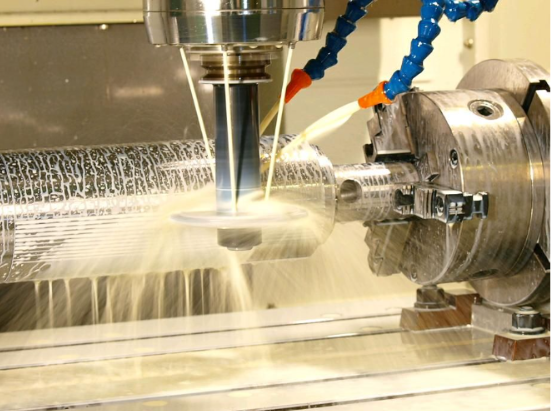
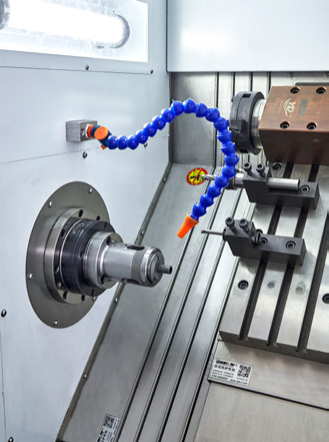
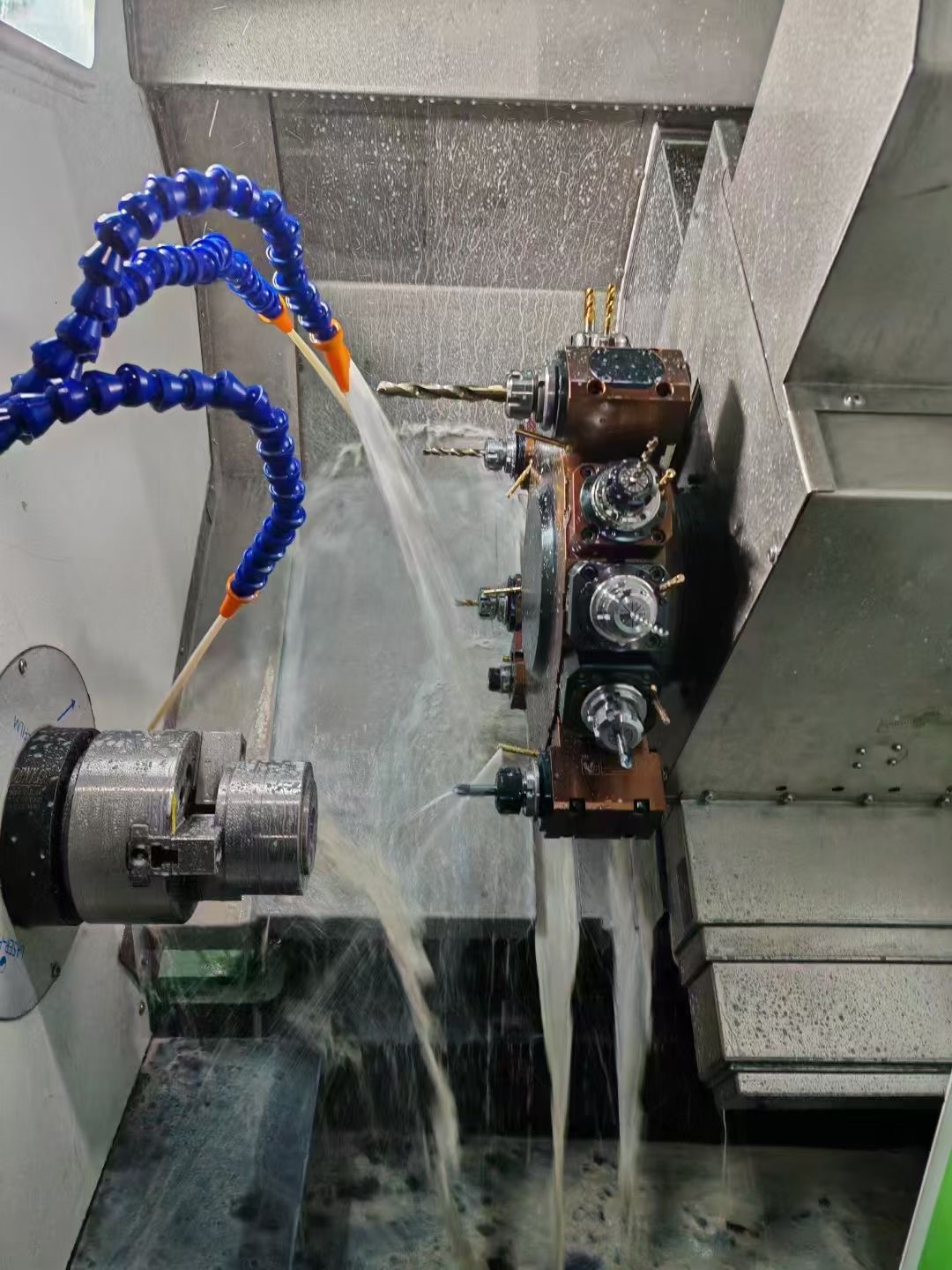
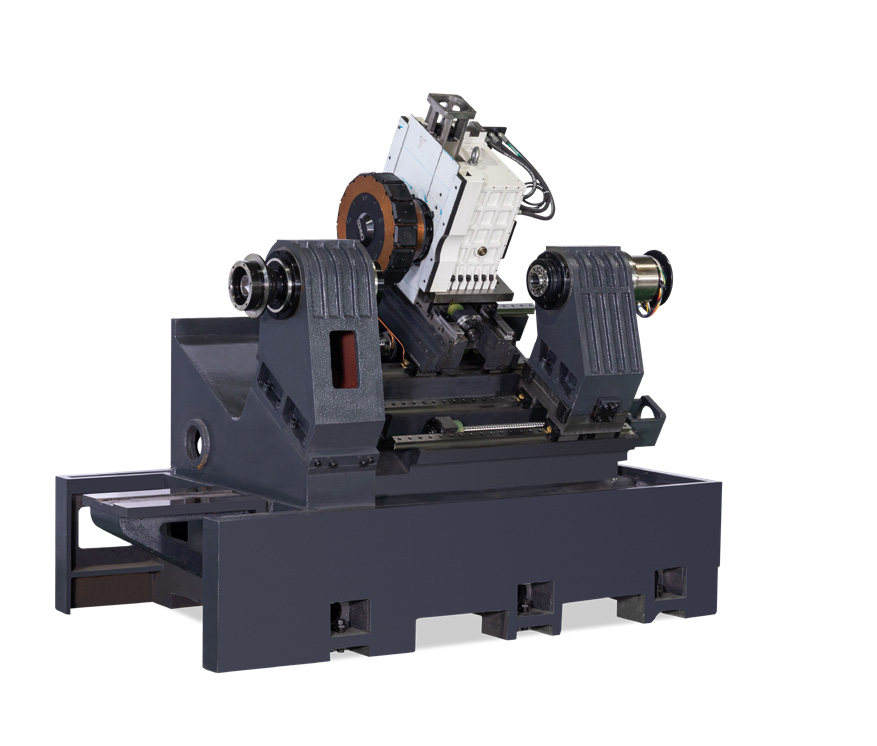
Application Scenarios of CNC Machine Tools
2025-09-19
Application Scenarios of CNC Machine Tools
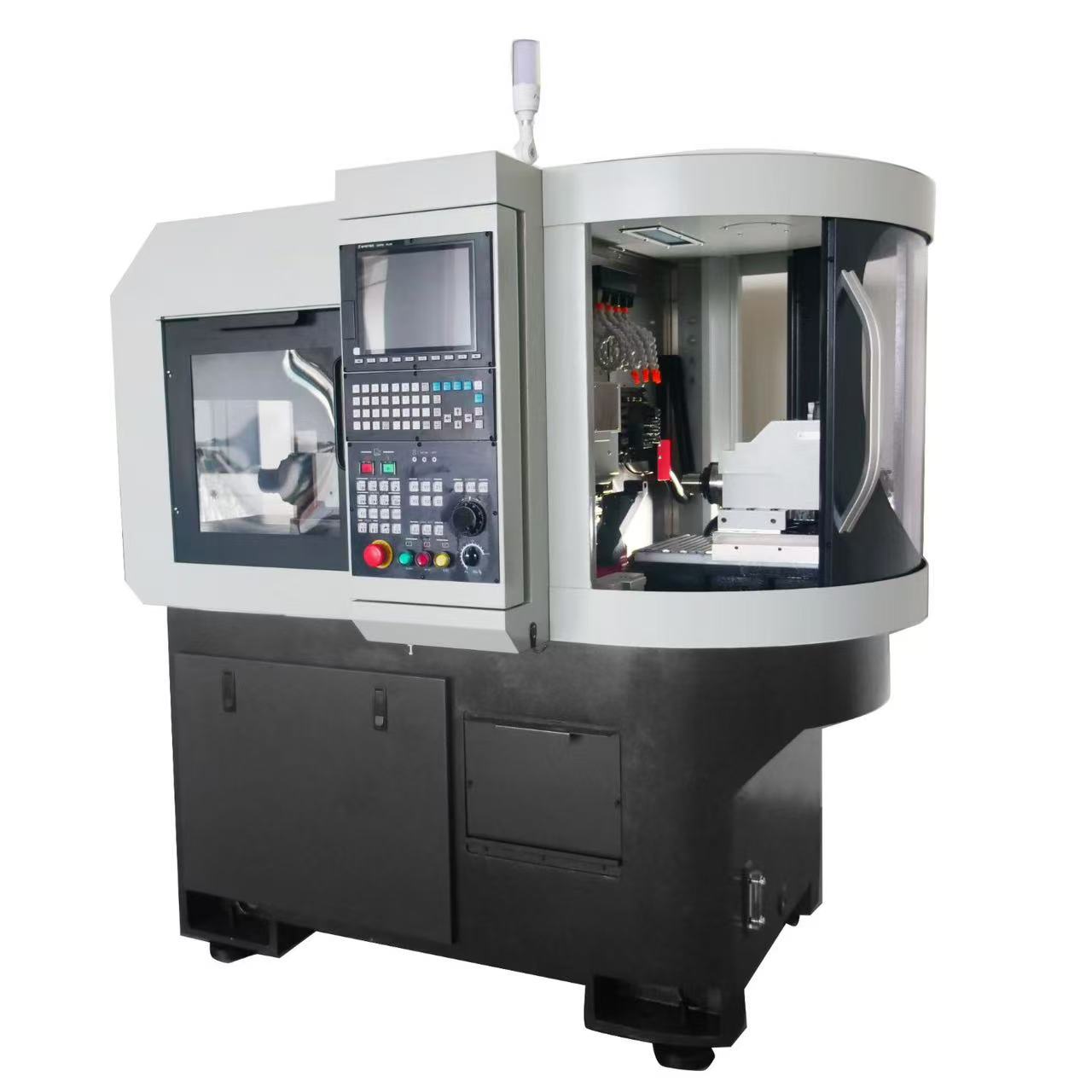
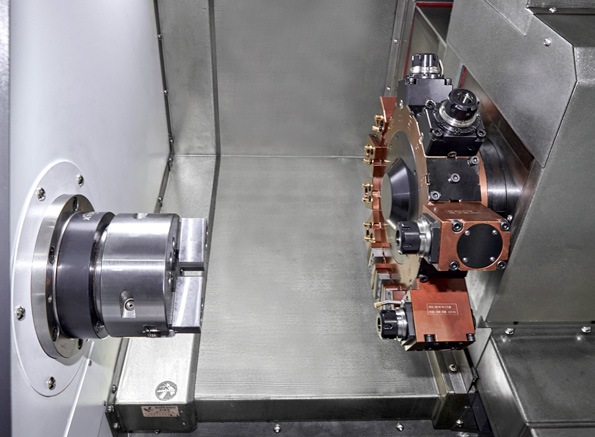
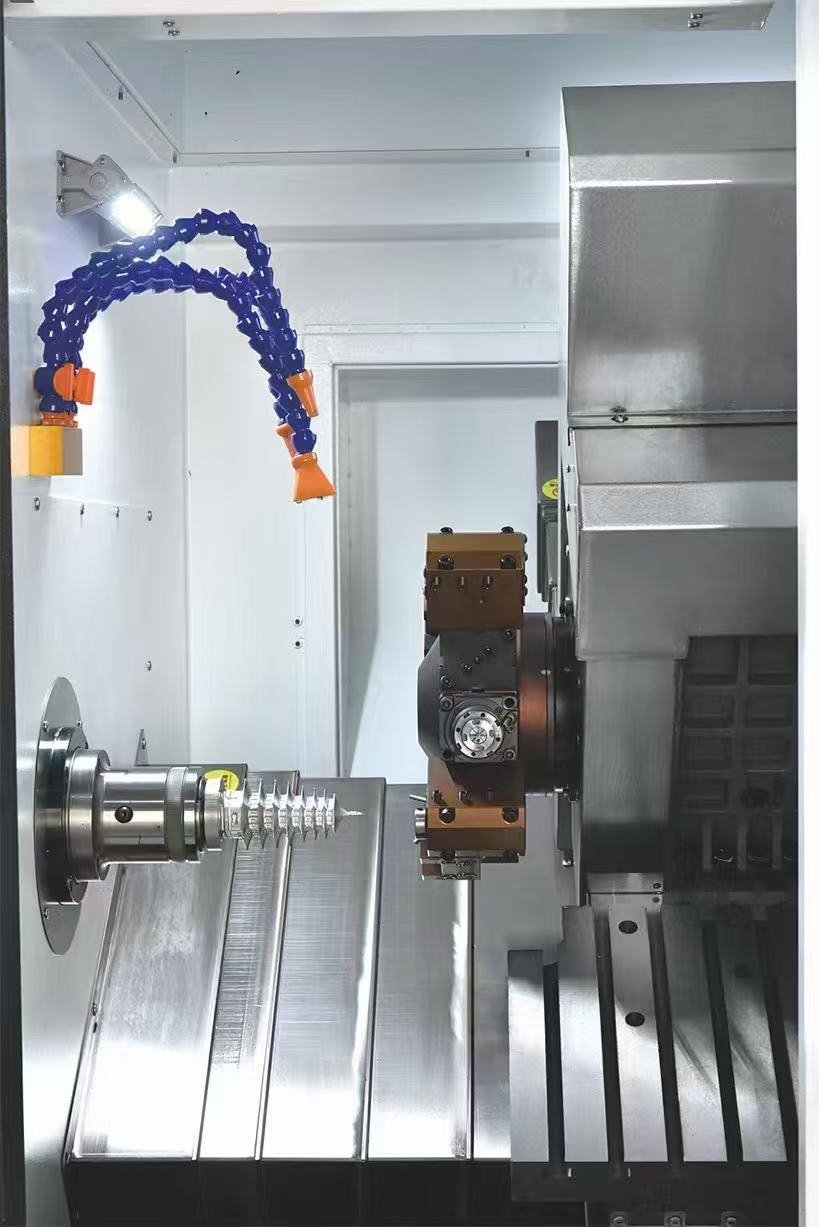
As a core piece of equipment in modern manufacturing, Computer Numerical Control (CNC) machine tools have been widely used in complex machining scenarios across various industries, thanks to their advantages of high precision, high efficiency, and high automation. Their application scenarios can be categorized based on three key dimensions: machining requirements, industry characteristics, and part types, as detailed below:
I. Core Scenarios Classified by "Machining Requirements"
The core value of CNC machine tools lies in addressing machining tasks that are "difficult or extremely inefficient for conventional machine tools to complete". The following are typical demand-driven scenarios:
1. High-Precision Machining Scenarios Applicable to fields requiring extremely high precision in part dimensions, shape, and positional accuracy (typically reaching the 0.001mm level), where conventional machine tools struggle to meet standards due to manual operation errors.
• Typical Requirements: Part tolerance ≤ 0.01mm, Surface Roughness Ra ≤ 0.8μm, and accurate forming of complex curved surfaces/irregular structures.
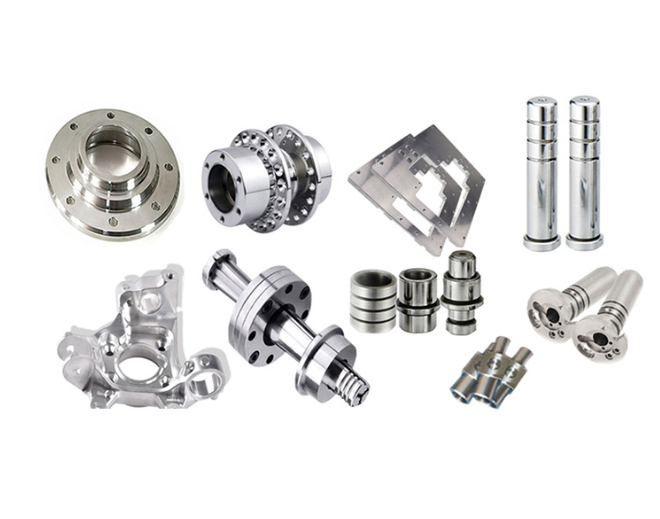
• Application Cases: Machining of mold cores for precision molds (e.g., the curved surface accuracy of mobile phone shell molds must be controlled within 0.005mm); Aero-engine blades (with complex airfoil shapes and a thickness tolerance of only 0.02mm, requiring 5-axis CNC machine tools to ensure spatial precision); Artificial joints in medical devices (the sphericity error of titanium alloy joints must be ≤ 0.003mm to avoid wear after implantation).
2. Complex Shape Machining Scenarios For parts with "multi-curved surfaces, multi-processes, and spatial irregularities", conventional machine tools require repeated clamping and manual adjustments, which easily lead to cumulative errors. In contrast, CNC machine tools can achieve "one-time clamping and continuous multi-process machining" through programming.
• Typical Requirements: Parts include complex structures such as arcs, tapers, threads, spatial curved surfaces, and multi-hole positions (with holes distributed regularly).
• Application Cases: Automotive transmission gears (with involute tooth profiles, requiring CNC hobbing machines/gear shaping machines for precise machining to ensure meshing accuracy); UAV fuselage frames (thin-walled aluminum alloy structures with multiple inclined holes and curved surfaces, requiring 4-axis CNC machine tools to reduce clamping times); Camera brackets in 3C products (with multiple mounting holes and stepped surfaces in different directions, requiring CNC milling machines for one-time forming).
3. Batch/High-Volume Production Scenarios Suitable for batch machining with "high part consistency requirements and fast production rhythms". CNC machine tools enable program solidification (one-time programming for repeated use), eliminating individual differences in manual operations. Additionally, their high automation (compatible with automatic loading/unloading mechanisms) significantly improves efficiency.
■ Typical Requirements: Batch size ≥ 100 pieces, with high uniformity in dimensions and appearance for each part.
■ Application Cases: Mass production of automotive parts (e.g., engine blocks, bearing housings; a CNC production line can achieve daily processing of thousands of pieces); Standard part machining (e.g., high-precision bolts and nuts; CNC lathes with automatic feeders can operate continuously 24/7); Home appliance accessories (e.g., rotors and stator cores of air conditioner compressors; CNC punch presses/laser cutting machines enable batch blanking).
4. Small-Batch/Multi-Variety Machining Scenarios Applicable to scenarios with "fast product iteration, small order batches (e.g., 10-50 pieces), and frequent part type switching". Unlike conventional machine tools, which require frequent fixture adjustments, CNC machine tools only need program modifications to quickly switch machining objects, reducing changeover costs. Typical Requirements: Scientific research prototypes, customized parts, and small-batch trial production.
Application Cases:
■ Customized parts in the military industry (e.g., special connectors for a certain type of missile, with a batch size of only 20 pieces, requiring rapid adjustment of machining parameters);
■ University research prototypes (e.g., robot joint prototypes, where part designs require repeated modifications, and CNC machining can respond quickly);
■ Customized medical devices (e.g., prosthetic connectors designed based on patient bone data, produced as single pieces, requiring flexible programming).
II. Main Application Fields Classified by "Industry Characteristics"
Different industries have varying demands for CNC machine tool types (e.g., lathes, milling machines, 5-axis machines, EDM machines) due to differences in product characteristics. The following are core application industries:
| Industry Field | Typical Machined Products | Applicable CNC Machine Tool Types | Core Requirements |
| Automotive Manufacturing | Engine blocks, gears, crankshafts, frames | CNC lathes, milling machines, machining centers, punch presses | High-volume production, high consistency, high rigidity (vibration resistance) |
| Aerospace | Aero-engine blades, fuselage frames, missile cabins | 5-axis machining centers, CNC milling machines, wire-cut EDM machines | High precision, complex curved surfaces, difficult-to-machine materials (titanium alloys, superalloys) |
| 3C Electronics | Mobile phone shells, camera brackets, chip carriers | High-speed CNC milling machines, drilling-tapping centers, laser cutting machines | High-speed machining (efficiency improvement), small-size high precision (e.g., 0.1mm small holes) |
| Medical Devices | Artificial joints, surgical instruments, diagnostic equipment parts | 5-axis machining centers, CNC lathes, EDM machines | Ultra-high precision, smooth surfaces (to prevent bacterial growth), biocompatible materials (e.g., titanium alloys, ceramics) |
| Mold Manufacturing | Mold cores/mold bases for plastic molds, stamping molds, die-casting molds | CNC milling machines, machining centers, EDM forming machines | Complex cavities, high precision (to ensure mold lifespan), surface polishability |
| Military Manufacturing | Tank track parts, firearm components, radar structural parts | Heavy-duty CNC lathes, milling machines, wire-cut EDM machines | High rigidity (for machining heavy parts), customization, resistance to harsh working conditions |
III. Scenarios Where CNC Machine Tools Are Not Suitable/Require Cautious Selection
Despite their significant advantages, CNC machine tools are not suitable for all scenarios. In the following cases, conventional machine tools or other machining methods should be prioritized:
- Machining of Simple, Low-Precision Parts: For example, ordinary bolts (tolerance ≥ 0.1mm) and iron plate blanking (no complex structures). Conventional lathes/punch presses are more cost-effective and easier to operate, making CNC machine tools unnecessary.
- Machining of Extra-Large/Extra-Heavy Parts: For example, large rolling mill rolls (diameter ≥ 1m, length ≥ 5m), which require specialized "heavy-duty conventional machine tools". CNC machine tools cannot meet the load-bearing and stroke requirements, and their cost is extremely high.
- Rough Machining of Ultra-Small Batches (≤ 5 Pieces): For example, rough milling of a single large part (only removing excess material, with subsequent finishing required). Conventional milling machines allow quick adjustments, eliminating the need for time-consuming programming.
- Simple Machining of Soft Materials: For example, simple cutting of wood or plastic plates. Hand tools or ordinary engraving machines can complete the task, and the precision advantages of CNC machine tools cannot be utilized—while their cost is excessively high.
Summary
The core application logic of CNC machine tools is: When machining requirements involve "high precision, complex shapes, batch consistency, or multi-variety switching", their advantages far outweigh those of conventional machine tools. Conversely, if parts are simple, have low precision requirements, or are produced in extremely small batches, it is necessary to balance cost and efficiency and select a more appropriate machining method. With the advancement of smart manufacturing, CNC machine tools will also integrate with industrial robots and MES (Manufacturing Execution Systems), further expanding their application scenarios in "flexible production lines" and "dark factories".