Leave Your Message

Top 10 Uses of Servo Motor in Modern Technology?

Servo motors are pivotal in modern technology. Their precision and efficiency drive advancements across various sectors. A report by MarketsandMarkets suggests the global servo motor market is projected to reach $11.1 billion by 2026, growing at a CAGR of 5.9%. This growth reflects the increasing demand for automation and robotics.

Manufacturers are integrating servo motors into applications like robotics, aerospace, and automation systems. For instance, robotic arms that use servo motors provide accurate and repeatable movements, enhancing production efficiency. However, implementing these technologies is not without challenges. Some systems face issues like vibration or calibration difficulties.

Understanding servo motor applications is vital. These devices can enhance performance and productivity, but they require careful consideration. Balancing cost and functionality plays a crucial role in successful implementation. The potential of servo motors in revolutionizing technology is immense, but industry players must navigate various complexities to fully harness their benefits.
Top 10 Uses of Servo Motor in Modern Technology?

Top Uses of Servo Motors in Robotics and Automation Applications

Top 10 Uses of Servo Motor in Modern Technology?

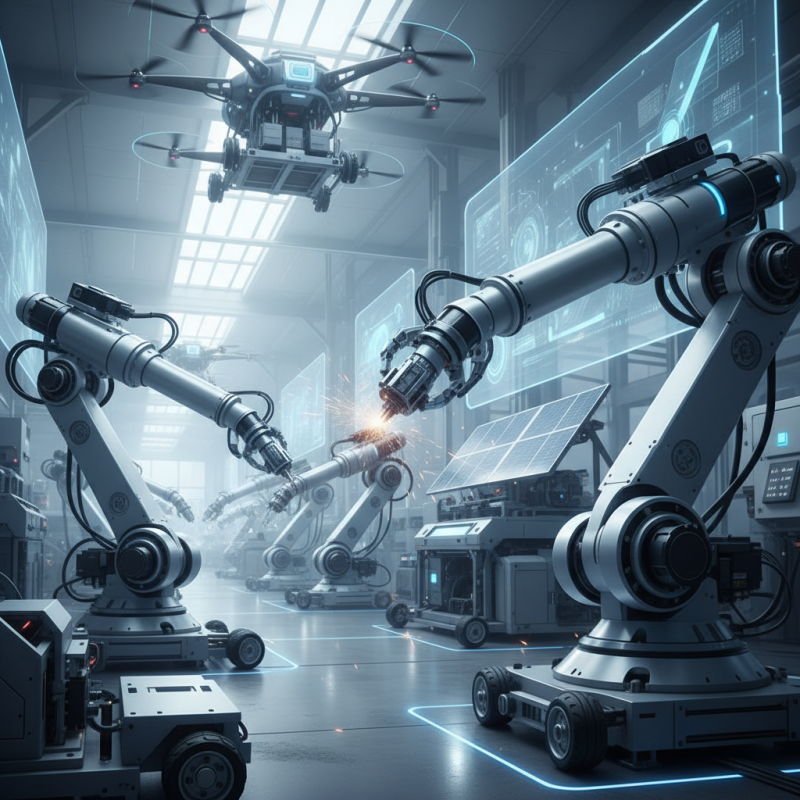
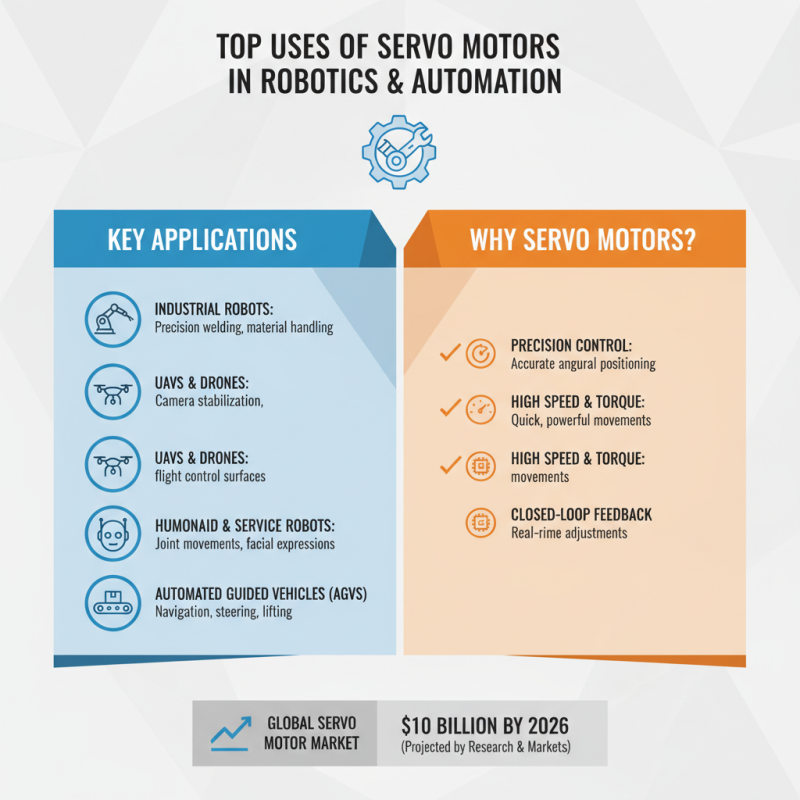
Servo motors play a crucial role in robotics and automation. Their precise control over angular position makes them indispensable in modern technologies. According to a report by Research and Markets, the global servo motor market is anticipated to grow significantly, projected to reach $10 billion by 2026. This rise showcases the increasing reliance on servo motors in various industries.

In robotics, servo motors enable intricate movements. They allow for accurate positioning, essential in applications from robotic arms to automated guided vehicles (AGVs). For instance, a standard industrial robot armed with servo motors can perform tasks with a positioning accuracy of up to ±0.01 mm. This high precision enhances production quality but poses challenges. An individual robot's calibration can be tedious and prone to human error.

Automation systems also benefit from servo motors. They control conveyor belts, sorting mechanisms, and machine tools. These applications require seamless coordination to maximize efficiency. However, maintaining such systems comes with hidden costs. Unexpected failures can disrupt operations, leading to downtime. Continuous monitoring and preventive measures are essential to mitigate this risk.
Servo Motors in CNC Machining and Precision Control Systems

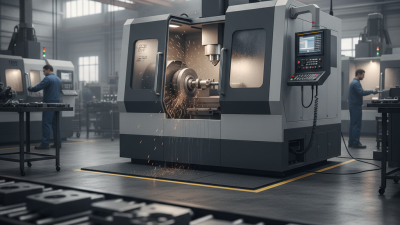
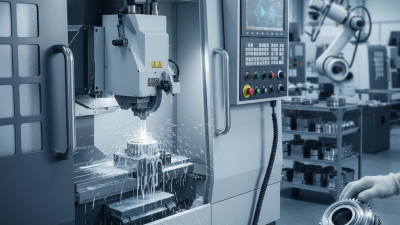
Servo motors play a vital role in CNC (Computer Numerical Control) machining. These motors ensure precise movement and position control, essential for high-quality manufacturing. Their ability to deliver rapid response times improves the efficiency of machining processes. Many industries rely on servo motors for automated operations, making complex tasks achievable with minimal human intervention.

In precision control systems, servo motors enable accurate feedback loops. This capability allows for real-time adjustments, crucial for maintaining the desired output. For instance, when cutting materials, even a slight deviation can lead to significant errors. Servo motors help mitigate this by providing constant monitoring and correction. This aspect is often overlooked, as many users assume any motor will suffice for their projects.

However, reliance on servo motors also poses challenges. They require careful tuning and setup, which can be time-consuming. Without proper adjustments, the benefits of using servo systems diminish. Users may find themselves frustrated when results do not meet expectations. Balancing precision with ease of use remains an ongoing issue in the realm of CNC and control technologies.

Applications of Servo Motors in Aerospace Engineering and Flight Systems

Servo motors play a critical role in aerospace engineering, particularly in flight systems. These motors provide precision control over various components, such as flaps, landing gear, and thrust vectoring systems. A report by the Aerospace Industries Association highlights that the integration of servo motors enhances the aircraft's performance and safety. With accuracy exceeding 0.1 degrees, these motors ensure that flight systems respond reliably under a range of conditions.

In modern aircraft, servo motors assist in autopilot systems, allowing for smoother navigation and reduced pilot workload. According to a study by the International Journal of Aerospace Engineering, 70% of new aircraft feature advanced servo technologies to improve control surfaces. However, there are challenges in optimizing these systems for weight and energy efficiency. Engineers often grapple with balancing motor size and power requirements, leading to ongoing research and potential innovations in materials and designs.

Moreover, safety remains a concern. While servo motors are generally reliable, their failure can lead to critical issues. Continuous monitoring and redundancy systems are necessary to address any potential failures. Many experts advocate for more robust testing protocols. This emphasis on reliability ensures that servo motors maintain the high standards required in the aerospace sector, where even minor errors can have grave consequences.

Role of Servo Motors in Consumer Electronics and Home Automation

Servo motors play a crucial role in consumer electronics and home automation. These motors are designed to provide accurate control of angular or linear position. In modern devices, they enable precise movements in robotic vacuum cleaners and smart blinds. With their quick response time, servo motors help improve efficiency in daily tasks.

In home automation, servo motors are essential for controlling gates, garage doors, and automated cabinets. They allow users to manage home systems seamlessly from their smartphones. However, while these technologies enhance convenience, they can sometimes lead to over-reliance. Users may become complacent, neglecting to learn manual controls.

Additionally, the integration of servo motors in smart appliances raises questions about reliability. If a servo motor fails, it can disrupt daily routines. Users should be aware of this possibility and have backup plans in place. Balancing convenience with manual skills is vital in an increasingly automated world.

Top 10 Uses of Servo Motor in Modern Technology

Application Description Impact on Technology
Robotics Used for precise control of robotic arms and movements. Enhances automation and efficiency in manufacturing processes.
Camera Systems Enables autofocus and stabilization in cameras. Improves image quality and user experience in photography.
Drones Controls tilt and camera angles in aerial photography. Enhances data collection and imaging possibilities.
Home Automation Controls smart blinds, locks, and thermostats. Promotes convenience and energy efficiency in homes.
Automotive Applications Used in power steering and automatic window control. Increases safety and enhances user comfort in vehicles.
3D Printers Enables precise movement of print heads. Improves printing accuracy and speed.
Industrial Automation Controls conveyor belts and robotic systems. Reduces manual labor and increases production efficiency.
Medical Devices Used in surgical robots and rehabilitation devices. Enhances precision in medical procedures and patient care.
Consumer Electronics Controls motors in devices like gaming controllers and printers. Improves functionality and user interaction in electronics.

Servo Motors in Automotive Industry for Enhanced Performance and Safety

Servo motors play a critical role in the automotive industry. Their precision and responsiveness enhance vehicle performance significantly. These motors control various functions, such as steering, braking, and throttle control. When drivers turn the wheel, servo motors adjust the power steering, making it easier and safer to navigate tight corners. This responsiveness can prevent accidents caused by sudden steering adjustments.

In addition to improving handling, servo motors also contribute to vehicle safety. Advanced driver-assistance systems (ADAS) rely on these motors for functions like lane-keeping assistance and adaptive cruise control. The exact positioning of servo motors allows for smoother, more accurate adjustments. However, an over-dependence on technology could pose risks. If the servo system malfunctions, it may lead to critical failures in safety features.

Integrating servo motors also increases vehicle efficiency. They help optimize fuel consumption by precisely managing engine functions. This results in a better driving experience and lower emissions. Nonetheless, the complexity of these systems means that regular maintenance is essential. Improper upkeep may diminish their effectiveness and potentially harm overall vehicle safety.

Top 10 Uses of Servo Motor in Modern Technology