2026 Top Trends in Chip Removal Devices for Efficient Manufacturing Solutions?
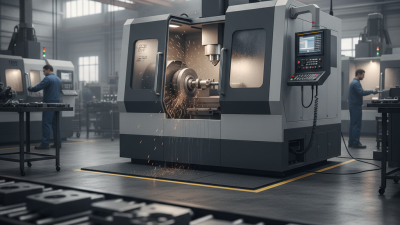
The advancement in manufacturing technology brings exciting possibilities. In this context, the Chip Removal Device stands out as a key innovation. These devices enhance efficiency, ensuring smooth chip removal during production processes. They are vital for maintaining equipment longevity and product quality.
As industries evolve, the demand for more effective chip removal solutions increases. The upcoming 2026 Trade Fair showcases these innovations. Manufacturers will explore the latest trends in chip removal technologies. However, some devices still face challenges, such as adaptability to different materials. This poses a need for ongoing improvements and user feedback.
The integration of AI in manufacturing workshops may offer promising solutions. AI can optimize the functionality of Chip Removal Devices by learning from real-time data. Nevertheless, there remains a gap in understanding the complete user experience. Addressing this can make future innovations more user-friendly and efficient.
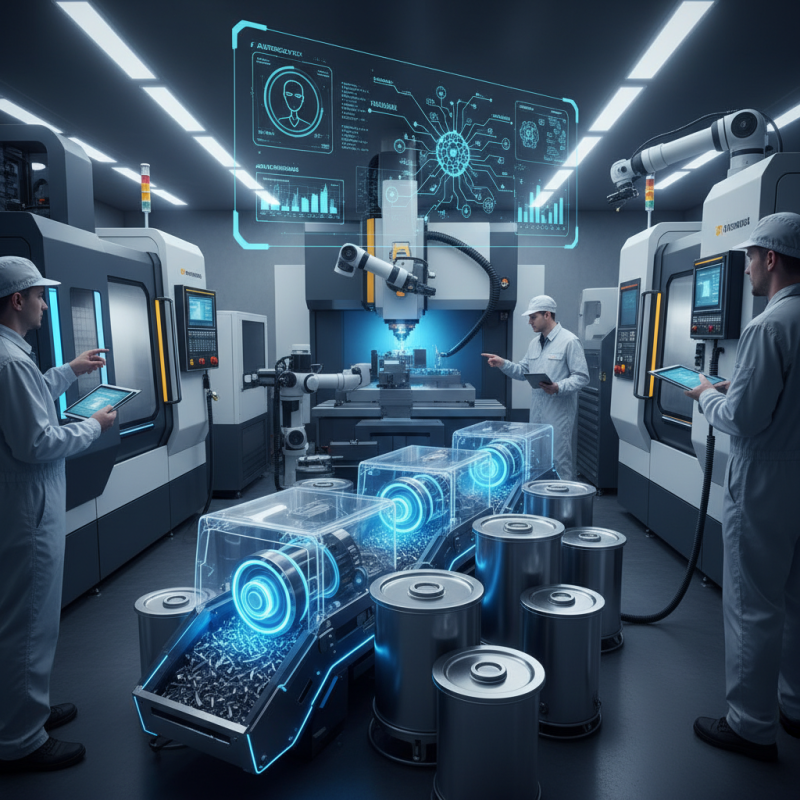
Emerging Technologies in Chip Removal Devices for 2026
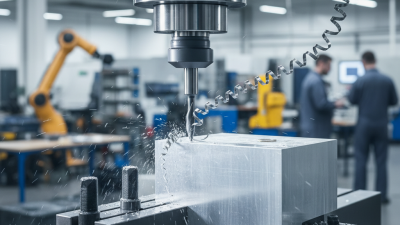
The landscape of chip removal devices is poised for significant change in 2026. Innovative technologies are emerging to enhance efficiency and precision in manufacturing. These devices will utilize advanced materials that improve durability and reduce wear during operations. Enhanced suction methods are also being developed. They will help in more effective chip management.
Robotics and automation are becoming crucial in this field. Smart systems can now adapt to different workloads and improve overall productivity. These advancements introduce complexity. The integration of AI might lead to unforeseen challenges. Operators must remain connected and vigilant.
Additionally, sustainability plays a vital role in the future of chip removal. New processes aim to minimize waste and conserve resources. While these developments are promising, they require careful consideration. Balancing innovation with operational reliability is essential. Industry professionals may need to rethink traditional approaches to fully embrace the upcoming changes.
2026 Top Trends in Chip Removal Devices for Efficient Manufacturing Solutions
| Trend |
Description |
Impact on Manufacturing |
Adoption Rate (%) |
| Automation Integration |
Increased use of automated systems in chip removal to enhance efficiency. |
Reduces manual labor, increases speed and precision. |
75% |
| Smart Sensors |
Implementation of smart sensors to monitor chip removal process in real-time. |
Enhances monitoring and reduces waste. |
68% |
| Eco-friendly Materials |
Use of biodegradable or recyclable materials in devices. |
Reduces environmental footprint of manufacturing processes. |
60% |
| Advanced Fluid Dynamics |
Improved chip removal through enhanced cooling and lubrication techniques. |
Increases tool life and surface finish quality. |
70% |
| Data Analytics |
Utilization of big data to optimize chip removal strategies. |
Increases efficiency and lowers costs through informed decisions. |
65% |
Innovative Designs Enhancing Efficiency in Manufacturing Processes
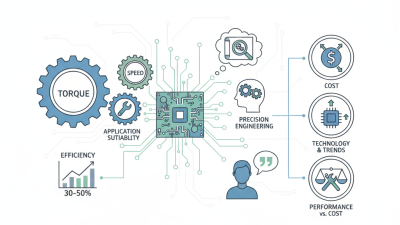
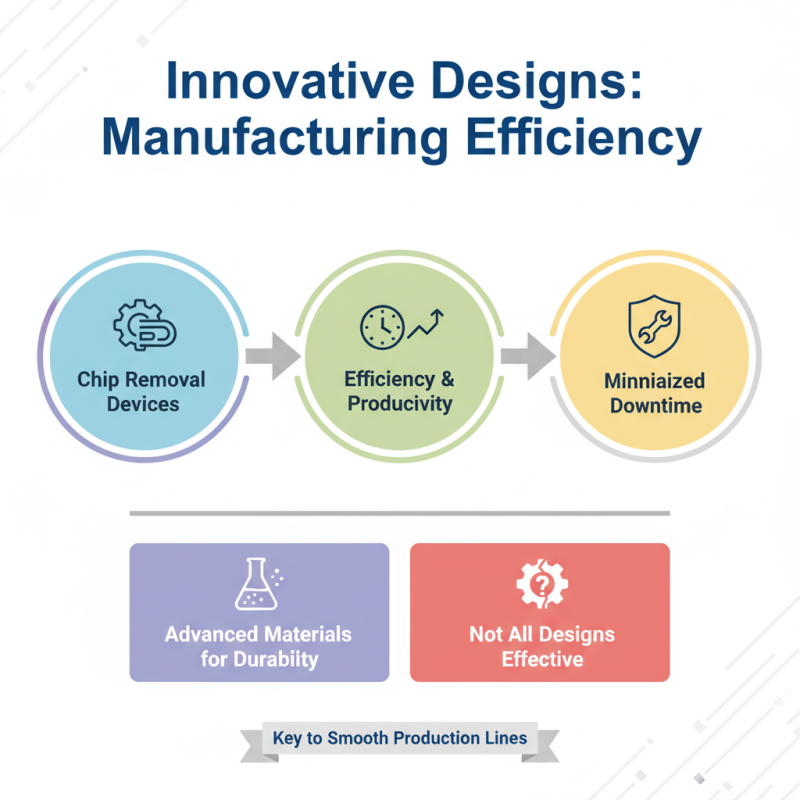
Innovative designs in chip removal devices are transforming manufacturing processes. These devices enhance overall efficiency and productivity. With precise engineering, they minimize downtime. This is crucial for keeping production lines running smoothly. Many companies are exploring advanced materials for better durability and performance. However, not every design meets the desired effectiveness.
Some innovations promise speed, yet they may lack reliability. Users often face challenges with maintenance and adaptability. The need for versatile solutions is evident as clients demand customization. Efficient chip removal requires a balance between design and function. It is essential to analyze real-world applications continuously.
Moreover, integrating smart technology can improve device performance. Sensors and automation systems help monitor chip removal in real time. This leads to faster problem identification. Yet, relying too much on technology might create new issues. Manufacturers should assess all design choices carefully, ensuring they meet diverse operational needs.
Sustainability Trends in Chip Removal Devices Across Industries
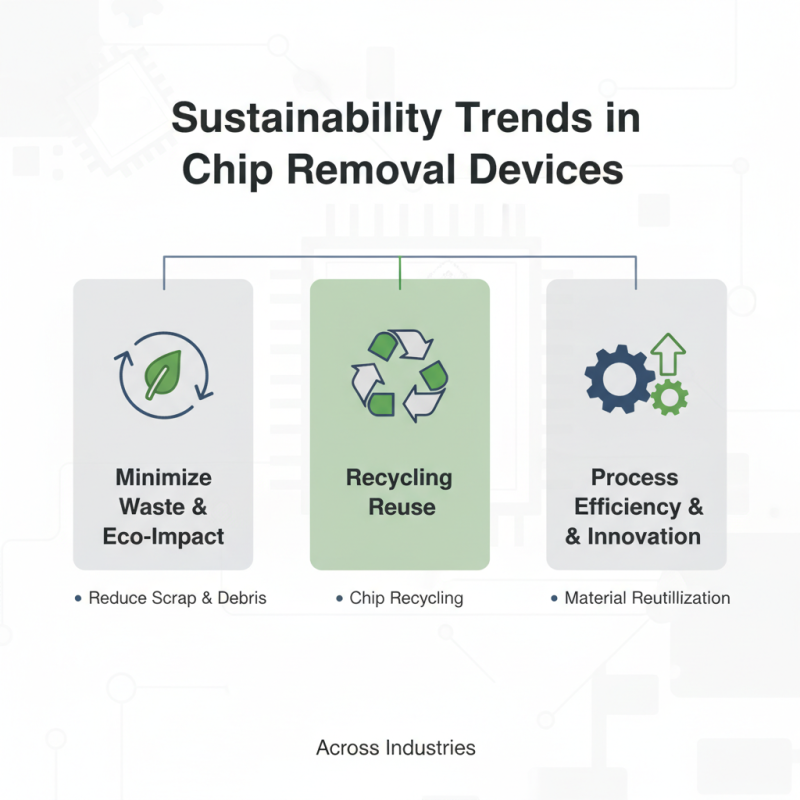
As industries strive for efficiency, sustainability in chip removal devices is gaining momentum. Manufacturers are seeking to minimize waste and reduce their environmental impact. Chip removal processes often generate significant scrap and debris, which is harder to manage. Innovations are emerging, focusing on recycling chips and reusing materials.
Recent efforts have led to the development of eco-friendly chip removal techniques. These methods utilize biodegradable lubricants and energy-efficient machines. However, many companies face challenges in adopting these technologies. High initial costs and a shortage of skilled workers hinder progress.
Moreover, there is a need for more robust guidelines. Companies sometimes lack comprehensive strategies for sustainable practices. The inconsistency in materials used across different industries complicates the transition to a circular economy. Many are starting to ask, can sustainability truly be part of every manufacturing step? This question remains essential as the industry moves forward.
Smart Automation: The Future of Chip Removal Technology
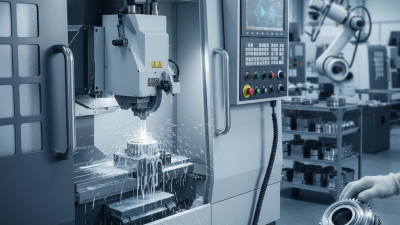
Smart automation is changing the landscape of chip removal technology. As manufacturing processes evolve, efficiency becomes paramount. Companies seek solutions that reduce waste and enhance precision. Automated systems can handle chip removal quickly. They minimize the risk of human error, streamlining production lines.
Current chip removal devices are more advanced than ever. Sensors and AI technology detect chip buildup. They adjust removal methods on-the-fly. This adaptability is crucial for maintaining optimal machining conditions. However, there's a challenge. Operators need to trust these systems. Reliance on automation can lead to skill erosion among workers.
The path to full automation isn't straightforward. There will be hiccups along the way. Integration with existing machinery often poses issues. Maintenance and troubleshooting require skilled technicians. Over time, companies must ensure that their workforce remains engaged and informed. Balancing automation with human oversight is essential for success in manufacturing.
Market Analysis: Key Players and Competitive Landscape in 2026
The competitive landscape for chip removal devices in 2026 is shaping up rapidly. Companies are investing heavily in innovative technologies. They aim to create solutions that enhance efficiency and reduce waste. With advancements in automation, manufacturers can now process chips faster and more accurately. The demand for precision is increasing, pushing companies to re-evaluate their strategies.
Key players are continuously adapting. They must keep pace with the changing market dynamics. Collaboration is a significant trend, as firms partner to leverage each other's strengths. However, not all collaborations yield expected results. Misalignment in goals can hinder progress. Some companies are struggling to keep up with technological advancements, risking their market position.
The analysis reveals a mixed outlook. While some companies are thriving, others face challenges. The importance of sustainability is also growing. Industries are seeking eco-friendly chip removal solutions. Yet, there is still hesitation in fully committing to green technologies. Resistance to change is evident. As the market progresses, companies must reflect on their strategies to stay competitive.
2026 Top Trends in Chip Removal Devices for Efficient Manufacturing Solutions
The bar chart above illustrates the importance level of various trends in chip removal devices for efficient manufacturing solutions anticipated in 2026. Each trend is rated on a scale of 1 to 10, showcasing the increasing focus on automation and advanced materials.
 +86 13630122007

 CONTACT YIYAN
 CONTACT YIYAN