2026 How to Source High Quality CNC Machining Parts Efficiently?
In today's competitive landscape, sourcing high-quality CNC machining parts is crucial for manufacturers. The 2026 Canton Fair, scheduled for April and May, will be a pivotal event for businesses seeking reliable suppliers. The focus on advanced manufacturing and machinery creates a rich environment for sourcing.
Visitors can leverage AI-based search tools during the Fair. These features streamline the process of finding suppliers with necessary certifications like ISO and CE. This efficiency is vital for ensuring that products meet quality standards. Moreover, navigating the expansive venue becomes easier with smart route planning, saving time and effort.
However, challenges persist. Not all suppliers may meet expectations. Some may claim certifications that are not valid. Buyers must remain vigilant and do their due diligence. Being discerning during the sourcing process ensures that the CNC machining parts obtained are of the highest quality. Reflecting on your own procurement strategies might reveal areas for improvement.

Understanding CNC Machining: Key Processes and Technologies
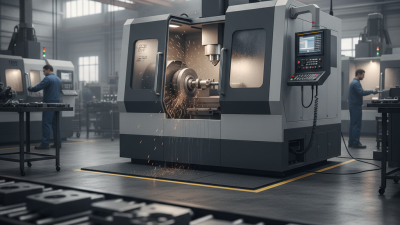
CNC machining is a vital technology in modern manufacturing. It involves using computer-controlled machines to shape and cut materials into precise components. The core processes include milling, turning, and drilling. Each method offers unique advantages, catering to different production needs.
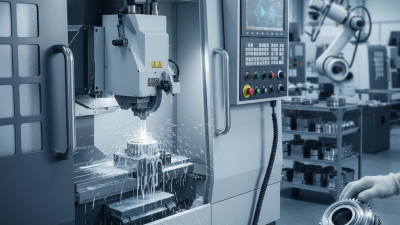
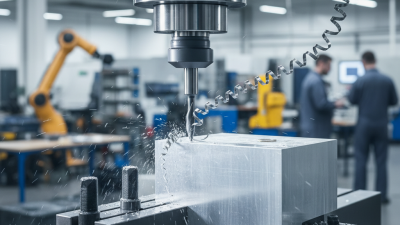
Milling is particularly versatile. It uses rotating tools to remove material, allowing for intricate designs. However, achieving a perfect finish can be challenging. Sometimes, small errors can lead to significant defects. Turning, on the other hand, is highly efficient for cylindrical parts but may require frequent adjustments to maintain accuracy. Drilling is straightforward but often underutilized for more complex designs.
Understanding these processes is crucial for sourcing high-quality CNC parts. It’s essential to collaborate with skilled machinists who can identify and rectify common issues. Effective communication can minimize mistakes and ensure that specifications are met. Yet, not all suppliers maintain the same standards. Careful evaluation of capabilities and track records is necessary. Making informed choices can dramatically impact the final product's quality.
2026 CNC Machining Parts Quality Sourcing Efficiency
This chart illustrates the quality sourcing efficiency of CNC machining parts across several critical metrics including material quality, precision, lead time, cost efficiency, and supplier reliability. The data showcases percentages representing performance levels, helping to identify areas for improvement in sourcing strategies.
Identifying Quality Standards in CNC Machining Parts
When sourcing CNC machining parts, quality standards play a vital role. The American Society of Mechanical Engineers (ASME) emphasizes dimensional accuracy and tolerances as pivotal quality indicators. According to industry reports, parts that meet ISO 9001 standards ensure higher reliability. Studies show that about 70% of manufacturing defects arise from poor quality control. This statistic underlines how critical it is to prioritize quality when sourcing parts.
Materials used in CNC machining must also adhere to strict quality specifications. For instance, aluminum alloys with specific compositions are often preferred for their strength-to-weight ratios. However, sourcing these materials can be challenging due to varying supplier quality. Research reveals that improper material selection contributes to 40% of product failures in the industry. This highlights the need for thorough vetting of suppliers. A detailed analysis of their certifications and past performance is essential for ensuring long-lasting and precisely engineered components.
Additionally, environmental factors can impact part quality significantly. The machining process generates heat, which affects the properties of materials. Reports indicate that over 30% of parts fail due to thermal distortion. Therefore, understanding the machining environment is essential. Manufacturers must consider cooling methods and tool materials to minimize these effects. Addressing these factors can lead to more consistent production outcomes.
Evaluating Suppliers: Metrics for High-Quality CNC Parts
When sourcing high-quality CNC machining parts, evaluating suppliers is crucial. Key metrics can guide this assessment. According to a recent industry report, 60% of manufacturers prioritize material quality during supplier evaluations. This indicates the importance of selecting suppliers that can provide certified materials consistently. Inadequate material quality can lead to production delays and increased costs, compromising the entire project.
Delivery time is another critical factor. A survey highlighted that 37% of companies experienced delays due to unreliable suppliers. This illustrates the need for tracking a supplier's on-time delivery rates over several orders. Frequent delays can disrupt production schedules and damage client relationships. Manufacturers must remain vigilant here.
Lastly, customer service quality can significantly impact supplier relationships. Many engineers report poor communication as a frequent issue. A lack of responsiveness can lead to misunderstandings and delays. Evaluating potential suppliers based on their communication practices is essential. Engaging with them before signing contracts may reveal their strengths and weaknesses. Reflecting on this process helps ensure that only the best suppliers are selected for partnership.
Cost Optimization Strategies for Sourcing CNC Machined Components
When sourcing CNC machined components, businesses often overlook cost optimization strategies. Efficient sourcing can lead to significant savings. Start by evaluating your supply chain. Shortening the distance between suppliers and manufacturers can reduce transportation costs. This is not always easy, though. Finding local suppliers might mean compromising on quality or capabilities.
Another strategy is bulk purchasing. It can lower the per-unit cost of parts. However, overstocking can tie up capital. Companies should carefully analyze their inventory needs. Lean inventory practices can mitigate excess costs. Sometimes, partnering with suppliers on volume commitments helps negotiate better terms.
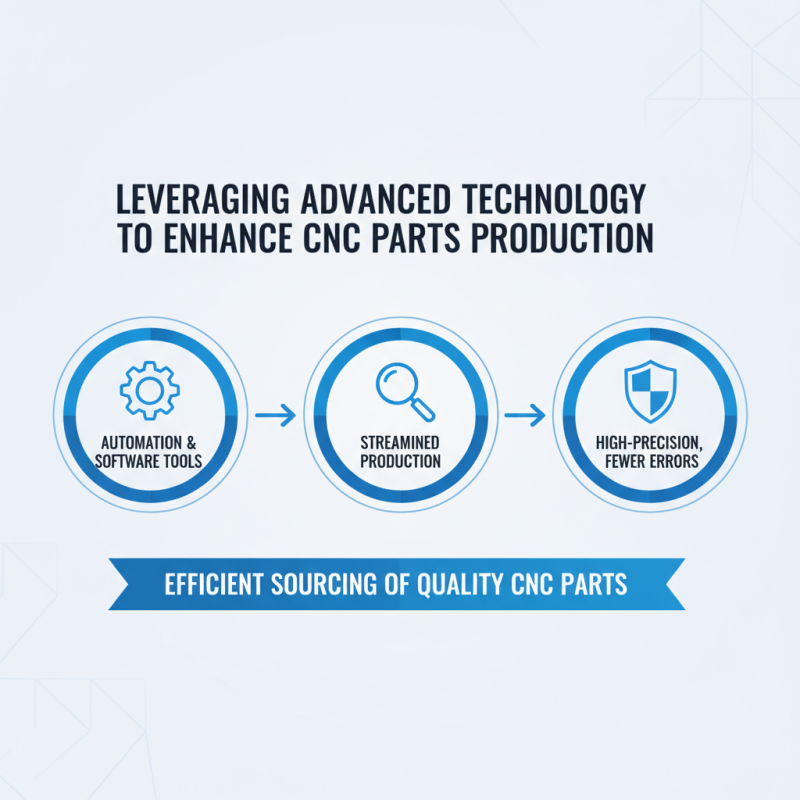
Don’t forget about technology. Automation can streamline processes and reduce labor costs. Investing in software for procurement can provide data insights. Yet, new tools come with their challenges. Training staff is crucial for successful implementation. Relying solely on technology can lead to oversights if not managed properly. Balancing tech with human oversight is key for optimization.
2026 How to Source High Quality CNC Machining Parts Efficiently? - Cost Optimization Strategies for Sourcing CNC Machined Components
| Criteria |
Description |
Importance Level |
Cost Impact (% Savings) |
| Supplier Quality |
Evaluate supplier certifications, reviews, and production capabilities. |
High |
15% |
| Material Selection |
Choose materials that balance performance and cost. |
Medium |
10% |
| Production Technology |
Utilize advanced CNC technologies for better efficiency. |
High |
20% |
| Lead Time Management |
Negotiate better lead times to avoid rush charges. |
Medium |
5% |
| Volume Discounts |
Order in bulk to take advantage of lower prices. |
High |
12% |
 +86 13630122007

 CONTACT YIYAN
 CONTACT YIYAN