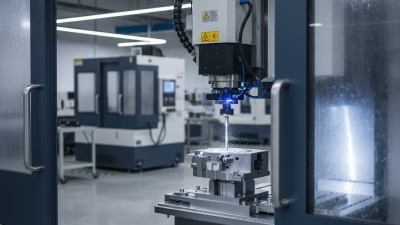
Why Is Precision Cnc Grinding Machine Essential for Modern Manufacturing?
In today's competitive manufacturing landscape, the role of the Precision CNC Grinding Machine cannot be overstated. This machine is integral to enhancing efficiency and ensuring superior product quality. According to industry reports, about 30% of manufacturers have adopted CNC technologies to stay ahead. These machines deliver unmatched precision, enabling the production of intricate components with tight tolerances.
However, the transition to using Precision CNC Grinding Machines is not without its challenges. Many companies face a steep learning curve when integrating these advanced systems. Furthermore, the initial investment can be substantial, sometimes discouraging smaller manufacturers from making the leap. Despite these obstacles, the benefits often outweigh the drawbacks, offering long-term savings and reduced waste.
As manufacturers strive for excellence, embracing technology becomes essential. Precision CNC Grinding Machines not only improve output but also enhance sustainability by minimizing material waste. Yet, companies must continuously adapt and improve their processes to harness the full potential of these machines effectively. Embracing this technology is a journey of both growth and reflection.
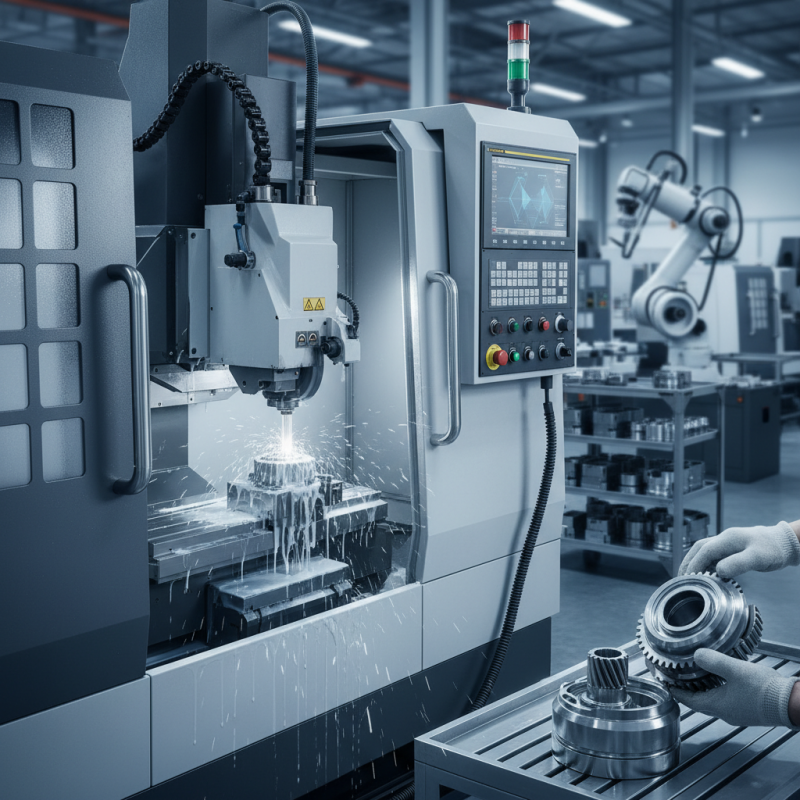
The Role of Precision in CNC Grinding Machines in Manufacturing
CNC grinding machines play a vital role in modern manufacturing. Precision is key in this process. Accurate dimensions result in better product quality. This ensures that parts fit together as intended. Minor deviations can lead to significant issues down the line. Efficient production relies on this precision.
Tips: Always check machine settings before starting. Small adjustments can make a big difference. Regular maintenance is essential for optimal performance.
Precision also impacts cost efficiency. Less waste means lower expenses. If parts are not ground correctly, they must be discarded or reworked. This not only increases costs but can also slow down production. Sometimes, manufacturers overlook the calibration of machines, which can lead to inaccuracies.
Tips: Make calibration checks a routine. Educate operators on common issues. A well-trained team can significantly reduce errors.
Modern manufacturing demands high standards. Precision in CNC grinding machines ensures that these standards are met consistently. Investing in quality machinery pays off in the long run.
Why Is Precision CNC Grinding Machine Essential for Modern Manufacturing?
| Dimension |
Value |
Importance |
| Tolerance Level |
±0.001 mm |
Ensures high precision in component manufacturing |
| Surface Finish |
Ra 0.8 |
Improves wear resistance and aesthetic quality |
| Material Types |
Steel, Aluminum, Titanium |
Versatility in manufacturing various components |
| Cycle Time |
5-30 minutes per part |
Optimizes production efficiency |
| Machine Setup Time |
1-2 hours |
Minimizes downtime and increases productivity |
| Max Grinding Wheel Speed |
120 m/s |
Enhances cutting efficiency and reduces energy consumption |
| Automation Level |
80% automated |
Reduces labor costs and increases consistency |
Key Features of Modern CNC Grinding Technology
Modern CNC grinding technology plays a vital role in manufacturing today. One key feature is precision. CNC grinding machines can achieve tolerances of just a few microns. This capability is crucial for industries requiring exact dimensions. For example, aerospace and automotive sectors rely on these machines for components where precision is non-negotiable.
Another significant aspect is automation. These machines reduce human error through programmed operations. Yet, this reliance on technology can lead to challenges. Operators must balance automation and oversight. They need to ensure machines run efficiently while keeping an eye on potential issues. The blend of human skill and technology remains essential.
Additionally, versatility is a standout feature. CNC grinding machines can work with various materials. This adaptability makes them valuable in multiple applications. However, it raises concerns about excessive dependency on one type of machine. Would over-reliance compromise skills in traditional grinding methods? Manufacturers must think deeply about these questions.
Benefits of Precision CNC Grinding for Product Quality and Efficiency
Precision CNC grinding machines play a pivotal role in modern manufacturing. Their ability to achieve tight tolerances is unmatched. A recent industry report states that parts produced with precision grinding show a 30% improvement in dimensional accuracy compared to conventional methods. This accuracy directly influences product quality, reducing the need for time-consuming rework.
Efficiency rises significantly with precision CNC grinding. A typical process cycle time is cut down by 25% or more. With automated systems, manufacturers can produce complex parts with consistency. Yet, challenges remain. Operators must be skilled to program and manage these machines effectively. Misalignment or improper setups can negate the advantages of precision. Emphasizing training is crucial for maximizing the benefits.
Data suggests that companies adopting precision CNC grinding see a 20% increase in overall efficiency within two years. However, it’s important to continuously evaluate the processes. Relying solely on technology without skilled oversight can lead to failures. Regular performance reviews of both machines and operators should be standard practice.
Applications of CNC Grinding in Various Industries
CNC grinding machines have revolutionized manufacturing in various sectors. Their precision and efficiency are unmatched. For example, in the automotive industry, they ensure tight tolerances for engine components. This accuracy is vital for performance and safety.
In aerospace, CNC grinding is critical for producing turbine blades and landing gear parts. These components require exceptional strength and precision. Any slight error can affect flight safety. This highlights the need for consistent quality control. However, grinding can sometimes be inefficient due to setup time.
Additionally, the medical field relies on CNC grinding for surgical instruments. The precision in these tools can mean the difference between success and failure in procedures. Yet, maintaining such high standards in quality assurance is a continuous challenge. As industries evolve, the demand for precision CNC grinding only grows, pushing manufacturers to innovate further.
Applications of CNC Grinding in Various Industries
Future Trends in CNC Grinding Technology and Manufacturing Practices
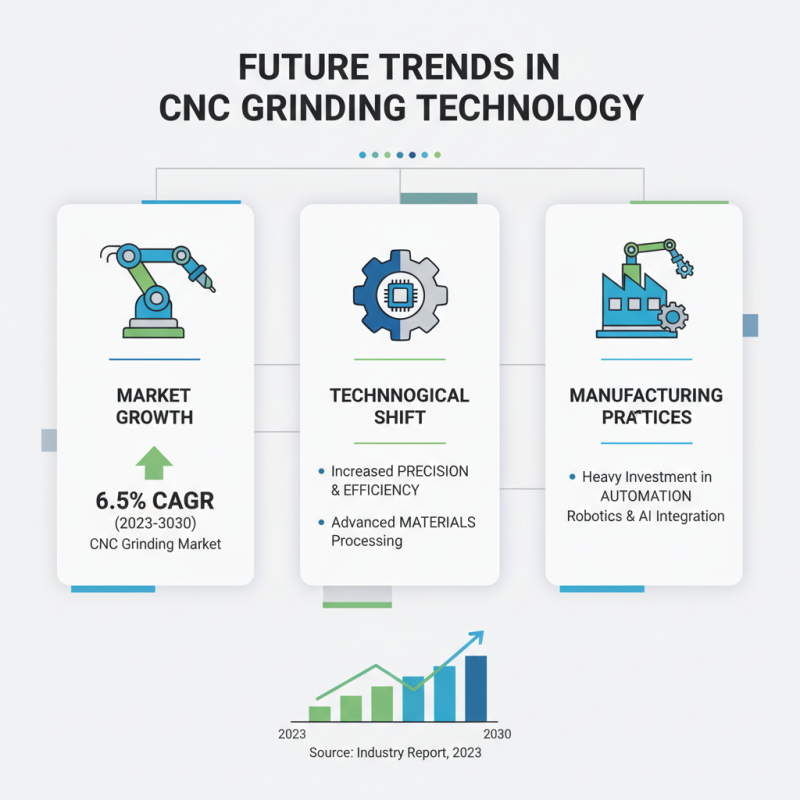
The future of CNC grinding technology is poised for remarkable transformations. According to a recent industry report, the CNC grinding machine market is projected to grow at a CAGR of 6.5% from 2023 to 2030. Such growth signals a shift towards more advanced manufacturing practices. With increasing demand for precision and efficiency, manufacturers are investing heavily in automation and robotics.
As factories adopt smarter machines, data analytics will play a pivotal role. Real-time monitoring can enhance productivity. However, reliance on technology presents challenges. For instance, machine learning algorithms can misinterpret data if not correctly calibrated. This could lead to costly mistakes.
Sustainability also influences future trends in CNC grinding. Reports highlight a push for eco-friendly practices. Manufacturers seek to reduce waste and energy consumption. Yet, transitioning to greener processes can be cumbersome. New materials and methods require time and investment. The path forward is not without its obstacles, necessitating careful planning and adaptation.
 +86 13630122007

 CONTACT YIYAN
 CONTACT YIYAN