What is a Cutting Tool and How is it Used in Manufacturing?
In the world of manufacturing, the importance of a cutting tool cannot be overstated. Experts highlight its role in enhancing efficiency and precision. John Smith, a renowned cutting tool specialist, once said, “The right cutting tool can make all the difference in production quality.” This statement underscores the pivotal role these tools play.
Cutting tools are essential in shaping materials. They help reduce waste and improve surface finishes. However, not all cutting tools are created equal. Manufacturers often struggle to choose the best tool for specific tasks. There’s a learning curve involved. Understanding the characteristics of different cutting tools demands time and experience.
In addition to selection, maintenance is critical. A worn-out cutting tool can compromise quality and lead to expensive rework. Industry professionals often face challenges in balancing tool performance and cost-efficiency. This ongoing quest for the perfect cutting tool remains a topic for reflection and discussion in manufacturing circles.
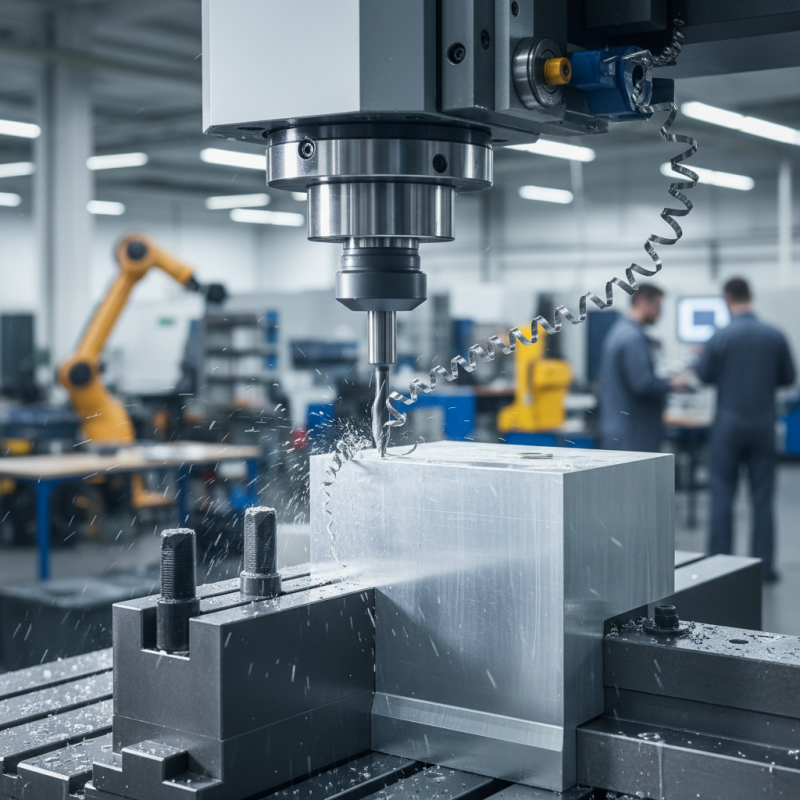
Definition and Types of Cutting Tools in Manufacturing
Cutting tools are essential in manufacturing processes. They directly shape materials into usable components. Common types include drills, lathes, and end mills. Each serves a unique purpose. For instance, drills create holes, while lathes form cylindrical shapes. According to a recent industry report, global demand for cutting tools is expected to reach $25 billion by 2025. This growth stems from rising automation and advanced manufacturing techniques.
Materials used for cutting tools vary significantly. Common materials include high-speed steel, carbide, and ceramic. High-speed steel is favored for its toughness and affordability. Carbide tools offer superior hardness and wear resistance; however, they can be more fragile. A challenge lies in choosing the right material for specific applications. Too often, manufacturers overlook tool wear and its impact on productivity.
Moreover, the efficiency of cutting tools depends heavily on design. The geometry of the cutting edge affects cutting forces and chip removal. Poorly designed tools can lead to increased downtime and higher costs. A survey indicated that 30% of manufacturers face issues related to tool life. This issue underscores the need for continuous research and improvements in cutting tool technology.
Materials Used in Cutting Tool Manufacturing
Cutting tools play a vital role in manufacturing. The materials used in their production significantly impact their performance and durability. High-speed steel (HSS) is one of the most common materials. HSS offers excellent toughness and can withstand high temperatures. However, it may wear out faster than other materials when used for extended periods.
Carbide is another popular material. It is harder and more wear-resistant than HSS. Tools made from carbide can maintain sharp edges longer. That said, carbide tools can be brittle and may chip under heavy pressure. This limits their use in some applications.
Ceramic materials provide an alternative for certain cutting conditions. They are incredibly hard and can withstand heat. However, while ceramics are effective, they lack toughness. This makes them less suitable for some tougher materials. Ultimately, choosing the right material requires careful consideration of the specific application and working conditions.
Materials Used in Cutting Tool Manufacturing
Principles of Cutting Tool Operation
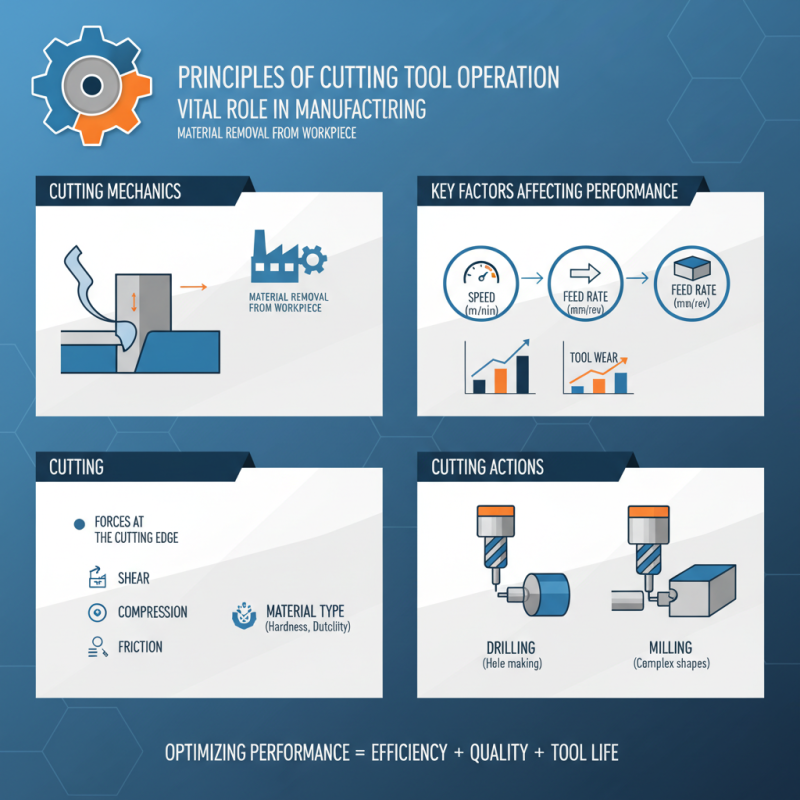
Cutting tools play a vital role in manufacturing processes. These tools remove material from a workpiece using different cutting actions. They operate based on principles of cutting mechanics, which define how forces interact at the cutting edge. Factors such as speed, feed rate, and material type significantly affect tool performance. Understanding these principles can enhance efficiency and product quality.
The cutting process involves several key elements. The tool’s geometry impacts its effectiveness. It determines cutting angles, rake angles, and chip formation. A well-designed tool can minimize wear while improving productivity. For example, studies show that optimizing cutting speed can reduce cycle time by up to 30%. Moreover, the right tool material increases tool life and reduces replacement frequency, thus saving costs.
Tips: Always consider the workpiece material when selecting a cutting tool. Different materials require specific tool properties. Regular maintenance of tools is essential for optimal performance. Dull tools can lead to poor finishes and increased scrap rates. Analyze cutting data and be open to adjusting parameters for better outcomes. Embracing a systematic approach can lead to long-term improvements.
Applications of Cutting Tools in Various Industries
Cutting tools play a vital role in various industries, particularly in manufacturing. They are essential for shaping, cutting, and drilling materials like metal and plastic. According to a market report by Smith & Associates, the global cutting tool market was valued at approximately $15 billion in 2022 and is expected to grow. This growth reflects the increasing demand for precision parts in sectors such as aerospace, automotive, and electronics.
In the automotive industry, cutting tools are used for machining engine components and gear systems. Precision is key here, as even minor inaccuracies can lead to significant failures. A statistic from the Automotive Industry Association indicates that improperly machined parts lead to nearly 30% of recalls. Such data shows the importance of quality tools in manufacturing processes.
**Tips:** Choose cutting tools based on material type. Understanding the material helps avoid mistakes during production. Regular maintenance of tools is necessary. Sharp tools yield better results and save time.
In the aerospace industry, cutting tools are used to manufacture lightweight components. These parts require strict adherence to specifications. However, producing these components can be challenging due to material hardness and thickness. The ability to adapt tools to various tasks often determines efficiency. Manufacturing environments should evolve, but barriers to innovation remain a concern.
What is a Cutting Tool and How is it Used in Manufacturing? - Applications of Cutting Tools in Various Industries
| Industry |
Type of Cutting Tool |
Application |
Material Used |
Common Techniques |
| Automotive |
End Mill |
Machining engine components |
Aluminum, Steel |
CNC Milling |
| Aerospace |
Drill Bit |
Creating precision holes in wings |
Titanium, Composites |
Drilling |
| Construction |
Diamond Blade |
Cutting concrete and masonry |
Concrete, Brick |
Cutting |
| Manufacturing |
Lathe Tool |
Turning metal stock |
Steel, Brass |
Turning |
| Medical |
CNC Router |
Fabricating surgical tools |
Stainless Steel, Plastics |
Routing |
Maintenance and Selection of Cutting Tools for Optimal Performance
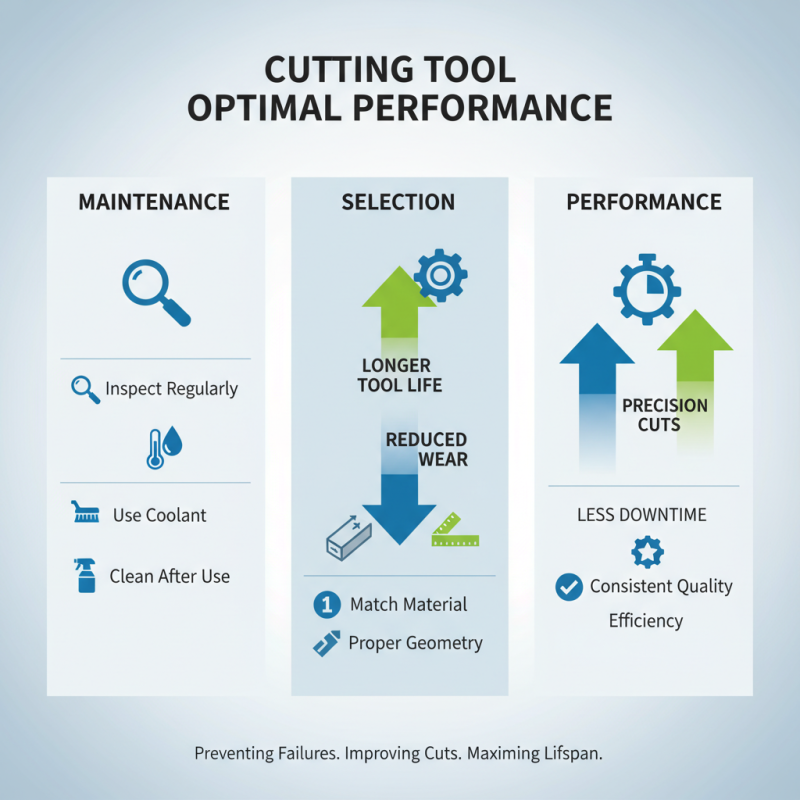
When it comes to cutting tools, maintenance plays a crucial role in their performance. Regular inspection can prevent unexpected failures. Using coolant effectively helps keep the tool temperature down. Cleanliness is also key; debris can wear down edges quickly. Tools should be cleaned after each use to avoid buildup. Neglecting this can lead to poor cuts and greater wear.
Selecting the right cutting tool is just as important. Factors like material, shape, and coating affect performance. Always consider the specific application. For instance, a tool for metal may not work well on wood. Operators must balance quality and cost. Sometimes cheaper tools can be tempting but may require more frequent replacements. A careful evaluation of the tool's purpose helps in making an informed choice.
In many cases, operators overlook basic maintenance. A simple sharp edge can yield better results. Regular sharpening helps maintain cutting efficiency. Tools that are not regularly checked can lead to inconsistencies. A once-effective tool may perform poorly if left uninspected. Operators need to remember that even a small adjustment can lead to significant improvements in performance.
 +86 13630122007

 CONTACT YIYAN
 CONTACT YIYAN