How to Choose the Right Precision Cnc Drilling Machine for Your Needs?
Choosing the right Precision CNC Drilling Machine can significantly impact your manufacturing outcomes. The global CNC machine tool market is projected to reach $100 billion by 2026, with precision machinery leading the way. According to industry expert John Smith, "Selecting the right machine is crucial for operational efficiency and product quality."
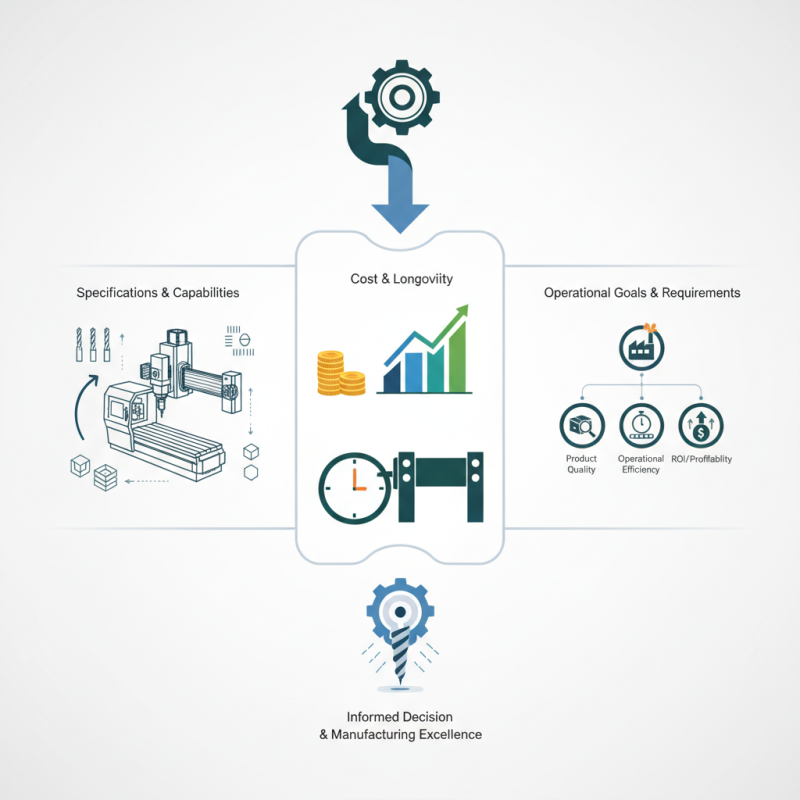
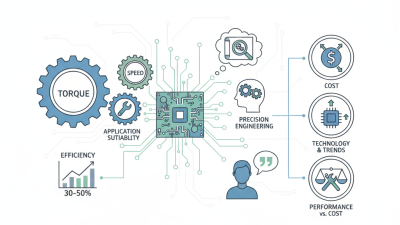
When looking for a Precision CNC Drilling Machine, various factors come into play. Understand the specifications and capabilities of the machine. Not all machines are created equal; each serves different production needs. Your choice should align with your operational goals.
Cost is another crucial element. High-quality machines carry a price tag, but they often offer better longevity and precision. However, selecting based solely on budget can lead to compromise. Reflection on your company's specific requirements will aid in making an informed decision.
Understanding Different Types of Precision CNC Drilling Machines
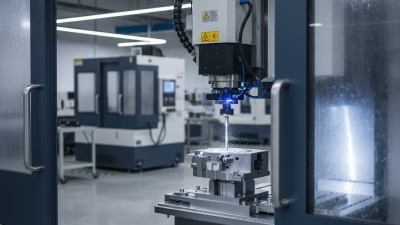
Understanding the different types of precision CNC drilling machines is essential for making an informed choice. These machines vary widely in capabilities and applications. For instance, laser CNC drilling machines are ideal for high-precision tasks, achieving ±0.01 mm accuracy. This precision makes them suitable for industries like aerospace and medical equipment manufacturing.
On the other hand, rotary CNC drill machines offer versatility. They are often used in mass production due to their speed and efficiency. A report by MarketsandMarkets estimates that the CNC machine market will grow at a compound annual growth rate (CAGR) of 6.2% from 2021 to 2026. This growth indicates an increasing demand for varied drilling machines tailored to specific needs. However, while selecting a machine, users may find it difficult to balance precision and production speed.
Milling CNC machines provide another option. They excel in complex parts fabrication but can lack speed compared to laser options. Users should consider material compatibility as well. For example, steel requires different specifications than softer materials. Not all CNC machines can handle varied materials effectively. It's vital to assess these factors before the purchase to avoid costly mistakes and operational inefficiencies in the long run.
Comparison of Different Types of Precision CNC Drilling Machines
Key Factors to Consider in CNC Drilling Machine Selection
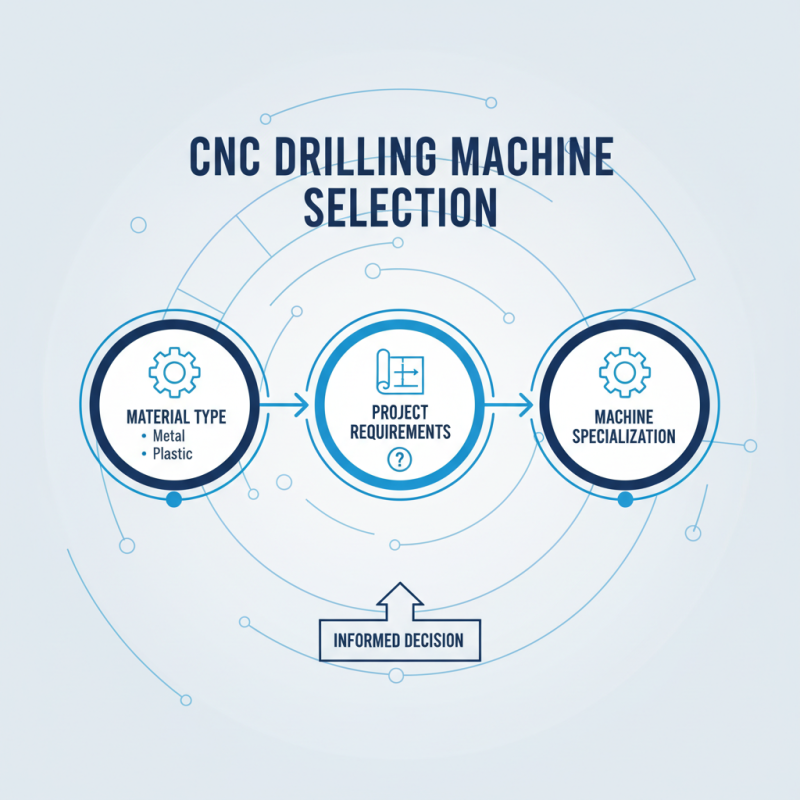
When selecting a CNC drilling machine, several key factors should guide your decision. One major consideration is the type of material you will be drilling. Different machines specialize in various materials, such as metal or plastic. Assessing your project's requirements can help narrow down your options.
Another factor to think about is the machine’s accuracy. Precision is crucial in CNC machining. Machines with higher accuracy can significantly affect the final product's quality. An inaccurate drill might lead to errors, which can be costly.
**Tips:** Before purchasing, test the machine if possible. Observe its drilling speed and precision. Evaluate whether it meets your specific needs.
Lastly, consider the machine’s ease of use. A user-friendly interface can save time during setups. Training may be needed for more complex machines. Make sure the staff can operate it efficiently. Reflect on the learning curve and the time it may take to fully utilize the machine's capabilities.
Assessing Material Compatibility for Your CNC Drilling Needs
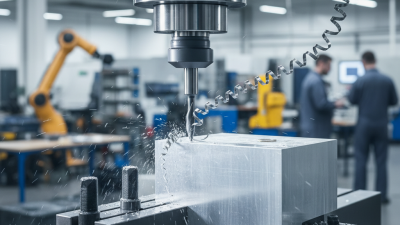
When selecting a CNC drilling machine, material compatibility is crucial. Different materials require specific drilling techniques and tools. Metal, wood, plastic, and composite materials all behave differently during the drilling process. According to a report by the International Journal of Advanced Manufacturing Technology, drilling speed and feed rates must align with the material's properties for optimal results.
For metal, high-speed steel (HSS) bits are often suitable, while harder metals may require carbide bits. Plastic might melt or chip if not drilled correctly. The right bit can prevent damage and ensure precision. Consider testing your chosen tool on scrap material first.
Tips: Always review the manufacturer's guidelines for material compatibility. Understand the characteristics of the materials you’re using. This can save time and prevent costly errors.
It's easy to overlook these details. Choosing the wrong tool can lead to inaccuracies. Additionally, many operators report underestimating the need for proper coolant when drilling metal. The right coolant type significantly affects tool life and precision. Always be open to re-evaluating your material choices and drilling parameters.
Evaluating the Features and Specifications of CNC Drilling Machines
When choosing a CNC drilling machine, evaluating features is crucial. Look for spindle speed, feed rate, and axis movements. A machine with variable spindle speeds can handle various materials better. Data shows that machines with adjustable feed rates increase productivity by 20%. Rigid designs ensure precision but can be expensive.
Consider the type of controls. Some machines use more intuitive interfaces. This can reduce training time for operators. The complexity of controls can lead to errors if not well understood. According to industry reports, machines with better user interfaces reduce operational mistakes by nearly 15%.
Check the maximum drilling capacity, as it affects the machine’s versatility. Machines that can drill multiple sizes add flexibility. However, they may lack dedicated options for specific tasks. Also, not all machines offer easy maintenance access. Difficult maintenance can lead to downtimes. These factors complicate your decision-making process. Balancing cost with capability requires careful evaluation.
Determining Your Budget and Cost Considerations for CNC Equipment
When considering a CNC drilling machine, budget is crucial. The price range for these machines typically spans from $10,000 to over $100,000. A report by Industry Research suggests that around 40% of companies prioritize cost efficiency over advanced features. This means you need to decide which features are essential for your work.
Operational costs also matter. Maintenance, tooling, and software can add up quickly. A study indicates that, on average, annual maintenance for CNC machines can reach 5% of the initial purchase price. Thus, if you spend $50,000, expect at least $2,500 a year. This creates a continuous financial commitment. The potential hidden costs can catch operators off guard.
Take a moment to reflect on your project needs. Will you drill complex shapes or just standard holes? If your work is diverse, investing more upfront will likely pay off in versatility. Every project requires different capabilities. Making a hasty decision can lead to regret. Assess all factors. Think not only about current projects but future endeavors as well.
How to Choose the Right Precision CNC Drilling Machine for Your Needs?
| CNC Drilling Machine Type |
Price Range (USD) |
Precision Level |
Spindle Speed (RPM) |
Applications |
| Entry-Level CNC |
$2,000 - $5,000 |
±0.05 mm |
1,500 - 3,000 |
Hobby Projects, Small Parts |
| Mid-Range CNC |
$5,000 - $15,000 |
±0.01 mm |
3,000 - 6,000 |
Prototyping, Medium Volume Production |
| High-End CNC |
$15,000 - $50,000 |
±0.005 mm |
6,000 - 12,000 |
Aerospace, Medical Parts, Tooling |
| Industrial CNC |
$50,000+ |
±0.001 mm |
12,000+ |
High Volume Production, Complex Parts |
 +86 13630122007

 CONTACT YIYAN
 CONTACT YIYAN