Best 10 Cutting Tool Innovations for Efficient Manufacturing?
In the rapidly evolving landscape of manufacturing, the significance of cutting tools cannot be overstated. These tools are essential for precision and efficiency. Innovations in cutting tool technology drive productivity and improve product quality.
Manufacturers constantly seek better solutions. The rise of advanced materials and smarter designs has transformed the cutting tool market. This evolution reflects the industry's commitment to adapting to new challenges. However, not every innovation proves effective in real-world applications. Some tools may not deliver expected results, highlighting the importance of thorough testing.
As we explore the best cutting tool innovations, we must consider their practical implications. Efficiency is key, but user experience also matters. The perfect cutting tool should enhance productivity while remaining intuitive. Balancing innovation and usability remains a challenge for manufacturers. Each breakthrough invites scrutiny and requires adaptation.
Top Advances in Cutting Tool Materials for Enhanced Durability
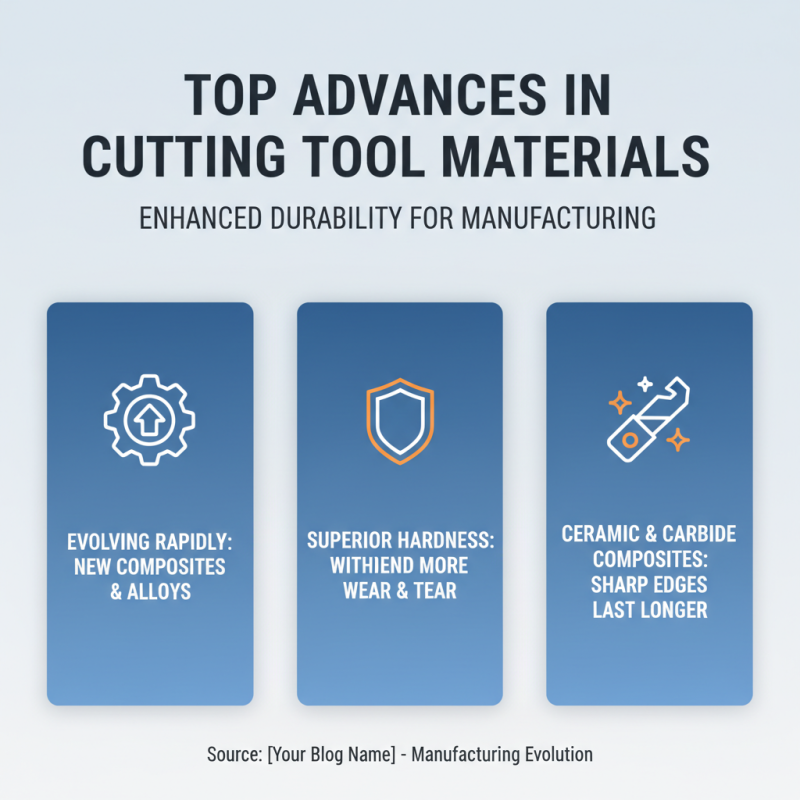
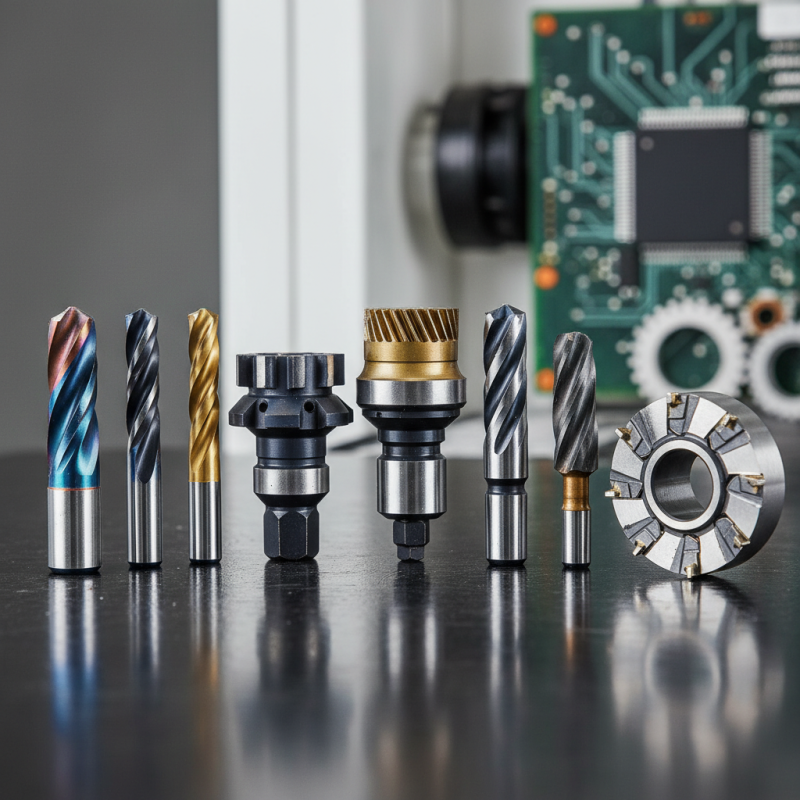
In the world of manufacturing, cutting tools are evolving rapidly. One area of advancement is the materials used in these tools. New composites and alloys are enhancing durability, allowing tools to withstand more wear and tear. For instance, ceramic and carbide composites are now common. They offer superior hardness and can maintain sharp edges longer than traditional materials.
Additionally, coatings such as titanium nitride are becoming standard. These coatings reduce friction and increase the lifespan of the tools. However, the challenge remains in finding the right balance between hardness and toughness. Too hard, and brittleness may occur. Too soft, and cutting efficiency is lost. Engineers continue to experiment with novel materials to discover the perfect formula for success.
Moreover, advancements in tool geometry are also significant. Specifically designed shapes help in chip removal and heat dissipation. This improves the efficiency of manufacturing processes. Despite these innovations, manufacturers often encounter issues during real-world application. Testing is crucial. Each adjustment can result in unexpected problems, requiring constant refinement and adaptation.
Innovative Cutting Tool Designs That Improve Manufacturing Efficiency
Innovative cutting tool designs play a crucial role in enhancing manufacturing efficiency. According to the 2023 Industry Manufacturing Report, nearly 70% of manufacturers saw increased productivity after adopting advanced cutting tools. These tools help reduce cycle times and improve precision.
For instance, innovative geometries in cutting tools enable more efficient chip removal. This feature leads to better surface finishes and reduced wear. A study from the Global Tooling Association showed these designs can extend tool life by up to 30%. This is vital as tool failures can lead to significant downtime and loss of revenue.
However, not all innovations come without challenges. Some manufacturers face barriers in integrating new technologies into existing systems. High initial costs can deter adoption. Additionally, training staff to effectively use advanced cutting tools requires time and resources. Continuous education and investment are essential for overcoming these barriers. Integrating digital technologies further complicates the transition, yet it also offers immense potential for process optimization.
Best 10 Cutting Tool Innovations for Efficient Manufacturing
This chart displays the efficiency improvements of various cutting tool innovations utilized in manufacturing processes. Each innovative design enhances productivity and reduces waste, contributing to overall operational efficiency.
Smart Cutting Tools: Integration of AI and IoT in Manufacturing
Smart cutting tools are transforming the manufacturing landscape. These tools leverage AI and IoT technologies to enhance efficiency. By integrating advanced sensors, machines collect real-time data on cutting processes. This data helps in making informed decisions quickly.
AI algorithms analyze performance and detect anomalies. For instance, if a tool shows wear, the system alerts users. This proactive approach reduces downtime and enhances productivity. IoT connectivity allows machines to communicate seamlessly, optimizing the entire production line.
Manufacturers face challenges in implementation. Adopting new technologies requires training and adjustment. Not all facilities may have the resources to modernize immediately.
However, the benefits of smart cutting tools are substantial. They promote precision, reduce waste, and improve overall output in manufacturing.
Sustainable Cutting Tools: Eco-Friendly Innovations for Modern Factories
In the quest for sustainability, cutting tools have seen exciting innovations. Modern factories increasingly embrace eco-friendly materials. These tools are not only efficient but also reduce environmental impact. For example, some manufacturers use recycled metals. This minimizes waste and promotes a circular economy.
New coatings are another vital advancement. They improve tool longevity while using less energy in production. Biodegradable lubricants are also gaining traction. They reduce harmful emissions during cutting processes. However, challenges remain. Not all sustainable materials match conventional tools in performance. Manufacturers must weigh cost versus benefit.
Industry experts stress that continuous research is essential. Knowledge sharing among engineers can lead to better solutions. The journey to sustainable cutting tools requires collaboration. Factories must remain open to experimenting with new approaches. While progress is being made, there’s still much to explore.
Best 10 Cutting Tool Innovations for Efficient Manufacturing
| Innovation |
Description |
Material Used |
Sustainability Feature |
Efficiency Improvement (%) |
| Biodegradable Cutting Tools |
Tools made from natural materials that decompose. |
Plant-based composites |
Fully biodegradable within 1 year |
30% |
| Recyclable Tool Inserts |
Inserts that can be reprocessed and reused. |
High-speed steel |
Recyclable up to 5 times |
20% |
| Energy-efficient Laser Cutting |
Using lasers to minimize energy consumption during cutting. |
N/A |
Reduces energy use by 40% |
40% |
| Ceramic Cutting Tools |
Durable tools with extended lifespan. |
Silicon nitride |
Longer lifespan reduces waste |
25% |
| 3D Printed Tools |
Additive manufacturing for custom tool shapes. |
Plastic and metals |
Minimal material waste |
35% |
| Smart Tool Technology |
Tools with integrated sensors for real-time monitoring. |
Various steel alloys |
Optimizes tool usage |
50% |
| Nanocoated Tools |
Tools coated with nanomaterials for improved performance. |
Nano-materials |
Increases tool lifespan |
15% |
| High-Performance Coatings |
Enhanced coatings for lower friction and better wear resistance. |
TiN, TiAlN |
Enhances durability |
18% |
| Modular Cutting Systems |
Interchangeable parts to reduce waste. |
Steel and composites |
Reduces material usage |
28% |
| Digital Twin Technology |
Simulates cutting operations for optimization. |
N/A |
Enhances operational sustainability |
45% |
Cutting Tool Coatings: Latest Technologies for Optimal Performance
Cutting tool coatings play a crucial role in enhancing manufacturing efficiency. Recent industry reports highlight that advanced coatings can improve tool life by up to 200%. These coatings reduce friction, enhance heat resistance, and allow for better chip removal. The choice of coating directly impacts machining performance.
Nanostructured coatings are gaining attention. They provide improved wear resistance and an extended operational lifespan. Studies show that tools with multilayer coatings can operate effectively at higher temperatures. This resilience leads to fewer replacements and less downtime in manufacturing settings. However, not all coatings are created equal. Manufacturers must consider compatibility with their specific operations.
Emerging technologies include self-healing coatings. These coatings can repair minor damage, extending tool life significantly. While promising, there are challenges. Self-healing coatings may not perform well in all environments. Additionally, cost considerations remain a concern for many manufacturers. Balancing performance and budget continues to challenge industries striving for efficiency.
 +86 13630122007

 CONTACT YIYAN
 CONTACT YIYAN